
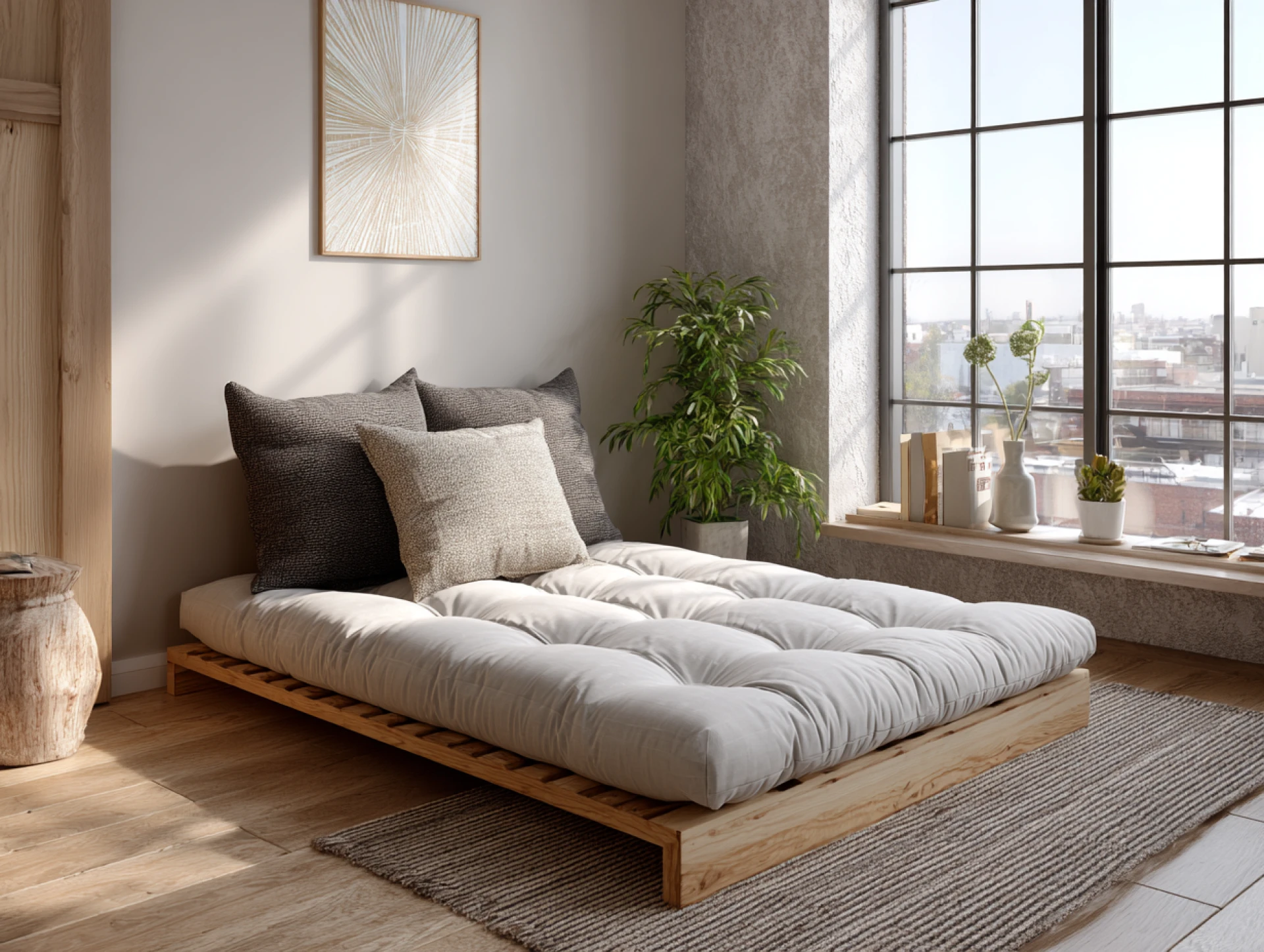
In a world where quality sleep is becoming increasingly commercialized, finding a comfortable and healthy bed that doesn’t break the bank can feel like searching for a unicorn.
But for many budget-conscious shoppers, a cotton mattress futon is that rare blend of affordability, sustainability, and versatility.
Simple in form but rich in function, cotton futons offer a viable alternative to bulky, expensive mattresses, without compromising too much on comfort or support.
This guide explores why the cotton mattress futon is more than just a throwback to college days—and why it might be your smartest sleep decision yet.
What Is a Cotton Mattress Futon?
A cotton mattress futon is a traditional-style mattress made with dense layers of cotton batting, designed to be foldable and used either directly on the floor or with a simple frame.
Unlike foam-core or innerspring futons, cotton futons are all-natural and low-profile, typically around 3 to 6 inches thick.
They originated in Japan as part of minimalist living philosophies and have evolved to suit a variety of modern spaces—from minimalist apartments to guest rooms and multipurpose living areas. Cotton futons are known for their:
- Breathability and softness
- Firm yet adaptive support
- Foldability and storage ease
- Non-toxic, eco-friendly construction
Why Budget-Conscious Shoppers Love Them
One of the most appealing aspects of a cotton mattress futon is its price. Compared to box spring mattresses or memory foam beds, cotton futons are far more wallet-friendly, and you don’t need an expensive frame to go with them.
Here’s why they make sense for smart shoppers:
- Lower Upfront Cost: Cotton futons typically cost a fraction of what a premium mattress does.
- No Frame Required: Can be used directly on the floor, tatami, or a platform, cutting down on setup expenses.
- Multi-Use Design: A single futon can serve as a bed, floor lounger, or guest mattress.
- Compact Living Compatibility: Perfect for studio apartments, RVs, dorms, or temporary housing.
For those who prioritize function over flash, a cotton mattress futon delivers excellent value.
Comfort Without Compromise
Let’s address the elephant in the room—can a budget-friendly cotton futon be comfortable? Yes, with the right expectations and setup.
Cotton futons offer a firmer sleep experience that supports proper spinal alignment, particularly for back and stomach sleepers. Over time, the cotton compacts slightly to contour to your body, becoming softer with regular use.
Ways to make it even more comfortable:
- Add a wool or latex topper if you prefer a cushier feel
- Use it with breathable, natural-fiber sheets and blankets
- Pair with an insulating rug underneath if placing directly on the floor
You’re not giving up comfort—you’re simply redefining it in a more grounded, minimalist way.
How Long Do Cotton Futons Last?
While they might not last as long as high-end mattresses, cotton futons can still serve you well for several years with proper care:
- Typical Lifespan: 5–7 years with regular use
- Guest Room Use: Can last even longer with infrequent use
- Maintenance: Rotate regularly to prevent uneven wear; sun-dry monthly to air out and maintain loft; use a washable cover
These simple habits can extend the life of your futon and keep it fresh.
When and Where They Work Best
Cotton mattress futons are incredibly adaptable, which is part of their charm. Ideal scenarios include:
- Dorm Rooms & First Apartments: Low cost, easy setup, and portable
- Guest Rooms: Easy to store when not in use
- Shared Spaces: Fold away during the day to free up space
- Tiny Homes & Cabins: Minimalist and multipurpose
- Yoga or Meditation Rooms: Doubles as a soft mat
The portability also makes it easier to redecorate or rearrange your space whenever you like.
Eco-Friendly Sleep on a Budget
Cotton futons align perfectly with sustainable values, especially if made from organic or untreated cotton:
- Natural & Renewable: Cotton is biodegradable and renewable, reducing environmental impact
- Low VOC Emissions: Unlike foam beds, cotton doesn’t off-gas synthetic chemicals
- No Springs or Plastics: No metal springs or synthetic frames to dispose of later
Choosing a cotton mattress futon means you’re not just saving money—you’re also supporting a more sustainable lifestyle.
Final Thoughts: A Smart, Soft, Sustainable Choice
A cotton mattress futon isn’t just a “cheap bed.” It’s a strategic, adaptable, and health-conscious decision for modern living.
Whether you’re outfitting a guest room, downsizing your life, or simply need an affordable sleep solution, the cotton futon deserves serious consideration.
You’ll sleep soundly knowing you made a choice that’s good for your budget, your body, and the planet.
Frequently Asked Questions (FAQ)
Is a cotton mattress futon good for everyday use?
Yes, especially for back and stomach sleepers. With proper layering and care, it offers firm support and lasting comfort.
1. Can I use a cotton futon on a bed frame?
Absolutely. A solid platform frame or tatami base works best. Avoid slatted frames unless the slats are closely spaced.
2. How do you maintain a cotton mattress futon?
Rotate it regularly, air it in the sun monthly, and use a cover to protect it from spills and dust.
3. Is it suitable for cold climates?
Yes, just place it on an insulated rug or pad and pair it with warm, breathable bedding.
4. How is a cotton mattress futon different from a foam futon?
Cotton futons are made with natural fibers, are firmer, and more breathable. Foam futons often contain synthetic materials and are less eco-friendly.