
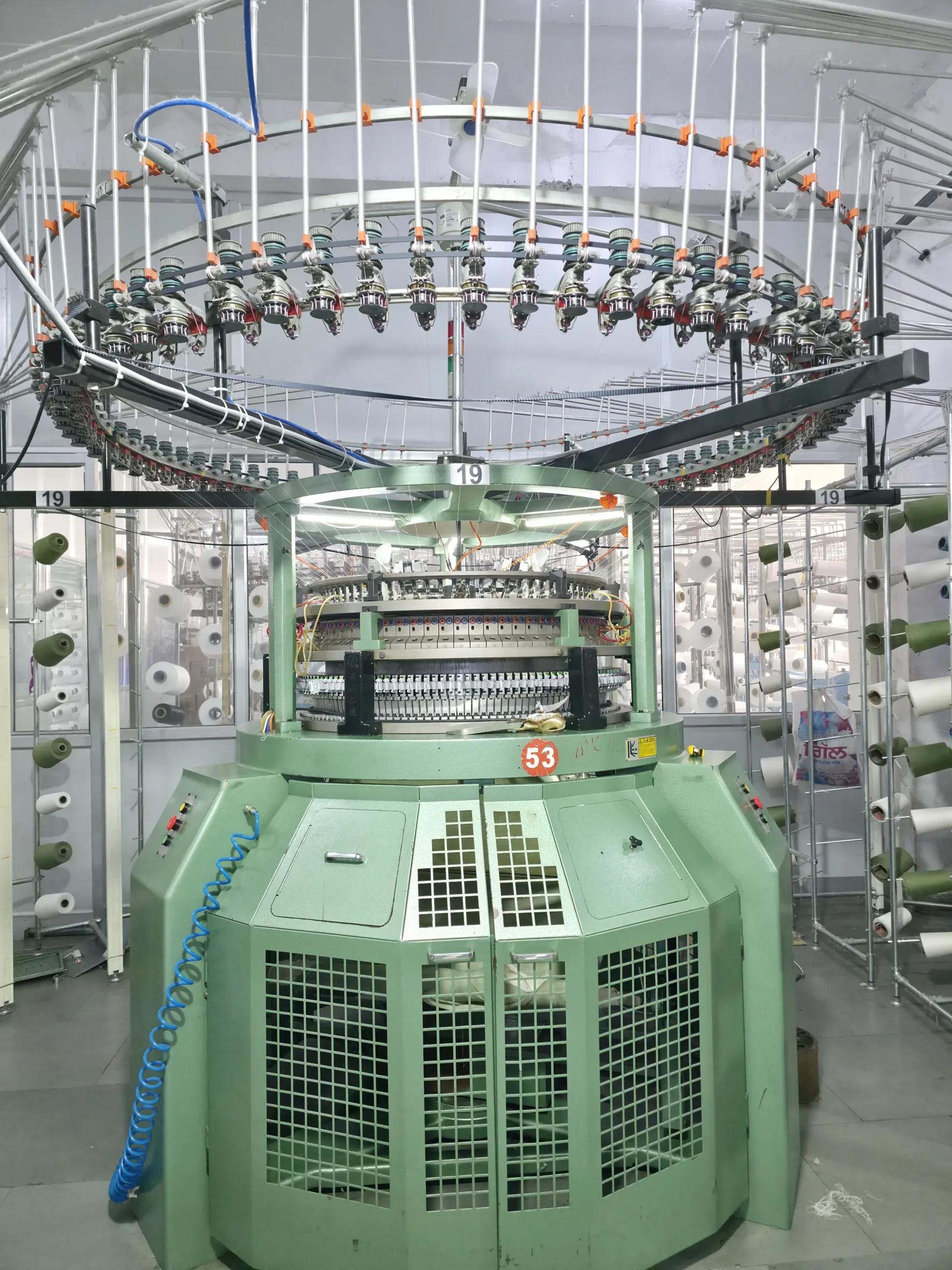
The textile industry has experienced significant technological advancements over the past few decades. Among these innovations, the cloth knitting machine has become a vital tool for modern textile manufacturers. By automating the process of fabric creation, this advanced knitting machine enables faster production, improved fabric quality, and reduced operational costs. Companies that invest in modern knitting technology can meet increasing market demand while maintaining consistent quality and efficiency.
Manufacturers such as Knit N Sew Enterprises, known for supplying high-quality knitting machinery since 1998, help textile businesses upgrade their production systems and achieve better productivity.
Understanding a Cloth Knitting Machine
A cloth knitting machine is a mechanical system designed to interlock yarns to produce knitted fabric efficiently. Unlike traditional manual knitting methods, modern machines operate automatically and can produce fabric continuously with minimal human intervention.
These machines are widely used in textile factories to manufacture fabrics for garments such as T-shirts, sportswear, sweaters, hosiery, and other knitted products. With advanced features like computerized controls and high-speed operation, a modern knitting machine allows manufacturers to produce large quantities of fabric in a shorter time.
High-Speed Fabric Production
One of the biggest advantages of a cloth knitting machine is its high production speed. Modern machines are designed to knit fabric continuously, enabling manufacturers to produce large volumes of fabric quickly. For example, advanced knitting machines can produce dozens of meters of fabric per hour depending on the machine configuration and yarn type.
This increased production speed helps textile factories meet bulk orders and tight deadlines without compromising quality. As a result, manufacturers can improve their overall operational efficiency and stay competitive in the global textile market.
Reduced Labor Requirements
Traditional fabric manufacturing required multiple workers to monitor and manage manual knitting operations. However, with automated knitting machines, much of the work is handled by the machine itself.
Modern machines include automated yarn feeding systems, tension controls, and digital monitoring features. Because of this automation, a single technician can supervise multiple machines at the same time, significantly reducing labor costs.
This reduction in manual work not only saves money but also minimizes human errors during the production process.
Consistent Fabric Quality
Consistency is critical in textile manufacturing. Even small variations in stitch density or yarn tension can affect the final product. A modern cloth knitting machine ensures uniform stitching and consistent fabric structure throughout the production process.
Computerized knitting machines monitor each stitch and automatically adjust parameters to maintain accuracy. This technology reduces defects, improves fabric durability, and ensures a professional finish.
By maintaining consistent quality, textile manufacturers can reduce product rejection rates and increase customer satisfaction.
Lower Material Waste
Another major advantage of using a knitting machine in textile manufacturing is reduced material waste. Advanced knitting systems optimize yarn usage and maintain accurate stitch formation, preventing yarn breakage and unnecessary wastage.
Many modern knitting technologies also enable seamless knitting processes that produce garments or fabrics without excessive cutting and sewing. This helps manufacturers reduce fabric waste and improve overall sustainability in textile production.
Reducing waste not only lowers production costs but also supports environmentally friendly manufacturing practices.
Energy Efficiency and Cost Savings
Energy consumption is a major concern for textile factories. New-generation cloth knitting machines are designed with energy-efficient motors and optimized mechanical components that reduce power usage.
Some advanced knitting machines incorporate smart motor controls and efficient drive systems that adjust power consumption according to production needs. These innovations help factories lower electricity costs while maintaining high productivity.
Lower energy consumption directly improves profit margins and makes textile manufacturing more sustainable.
Flexibility in Fabric Design
Modern knitting machines offer excellent flexibility when it comes to fabric design and pattern creation. Computerized systems allow manufacturers to create complex patterns, textures, and structures with ease.
This flexibility enables textile companies to produce a wide range of fabrics, including:
- Single jersey fabrics
- Rib fabrics
- Interlock fabrics
- Technical and sports textiles
Manufacturers can also switch between different yarn types and fabric patterns quickly, allowing them to respond faster to changing fashion trends and customer demands.
Reduced Downtime and Maintenance
Efficiency in textile production also depends on machine reliability. Modern cloth knitting machines are designed with durable components and advanced monitoring systems that help prevent unexpected breakdowns.
Smart sensors and monitoring systems track machine performance in real time and alert operators to potential problems before they become serious issues. This predictive maintenance approach reduces downtime and ensures continuous production.
As a result, textile factories can maintain consistent production schedules and improve overall operational efficiency.
Role of Knit N Sew Enterprises in Textile Machinery
For textile manufacturers looking to upgrade their production capabilities, choosing a reliable machinery supplier is essential. Knit N Sew Enterprises has established itself as a trusted supplier and manufacturer of knitting machines since 1998.
The company provides high-quality cloth knitting machine solutions designed for durability, performance, and precision. With a focus on innovation and customer satisfaction, Knit N Sew Enterprises supports textile manufacturers in achieving higher productivity and better fabric quality. They also cater to bulk orders, making them a reliable partner for large-scale textile production.
Conclusion
The cloth knitting machine has revolutionized textile manufacturing by improving speed, accuracy, and cost efficiency. With automated systems, energy-efficient technology, and advanced design capabilities, modern knitting machines help manufacturers produce high-quality fabrics while reducing labor costs and material waste.
As the textile industry continues to evolve, investing in advanced knitting machinery will remain essential for manufacturers seeking higher productivity and sustainable growth. With trusted suppliers like Knit N Sew Enterprises, textile businesses can adopt the latest technology and stay competitive in the global market.