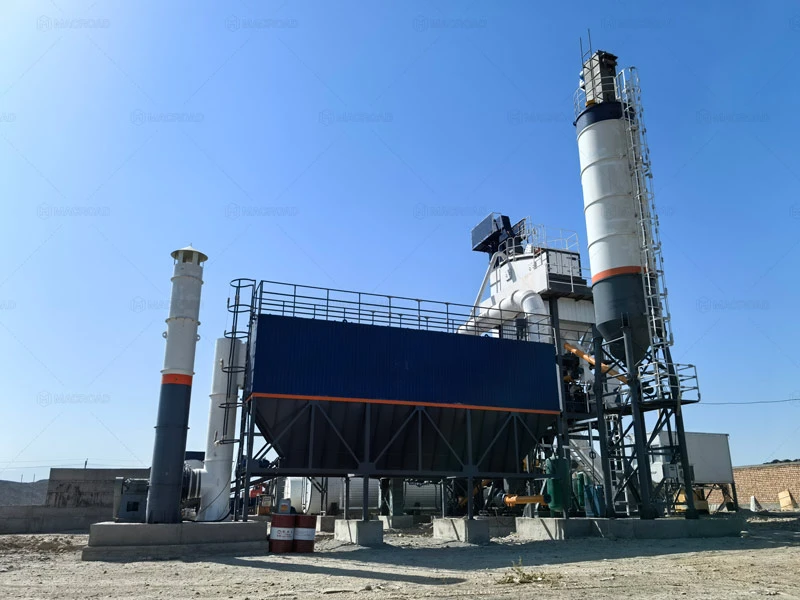
Coastal highways are exposed to salt spray, high humidity, and continuous wind erosion, all of which accelerate pavement degradation. Hot mix asphalt plants equipped for coastal environments provide stable temperature control, corrosion-resistant components, and specialized mix designs to handle these harsh conditions. Their ability to produce moisture-resistant, dense-graded asphalt is critical for extending pavement life along marine corridors.
Environmental Challenges in Coastal Mixing
Coastal aggregates often contain residual moisture even after extended storage. Hot mix plants counter this through larger dryer burners and extended drying drums that ensure complete moisture evaporation. Without proper drying, the mix risks stripping, binder foaming, and reduced durability under heavy coastal traffic.
Salt-laden sea air also accelerates metal corrosion. Modern hot mix plants use stainless steel liners, coated ducts, and weather-protected controls to withstand coastal exposure, ensuring long-term operational stability.
Mix Designs for Salt-Exposed Highways
Dense-graded mixes with polymer-modified binders often perform best near coastlines due to enhanced resistance against moisture penetration. Hot mix plants can accurately dose polymer additives to create mixes that retain flexibility despite constant humidity.
For regions prone to storm surges or tidal overwash, anti-stripping agents must be precisely incorporated to prevent binder-aggregate separation. Plants with automated additive injection systems guarantee consistent distribution and long-term pavement adhesion.
Temperature Control Under Marine Winds
Strong coastal winds cool asphalt rapidly, increasing the risk of thermal segregation. High-efficiency mixers and insulated silos in hot mix plants keep the materials within the ideal temperature range during storage and truck loading.
Shorter hauling distances are equally important. Some coastal projects combine on-site hot mix plants with portable pavers to maintain thermal consistency across long linear sections.
Conclusion
Hot mix asphalt plants tailored for coastal applications ensure resilient pavement production. With improved drying efficiency, corrosion protection, and precise mix formulations, they significantly enhance the durability of coastal highways.