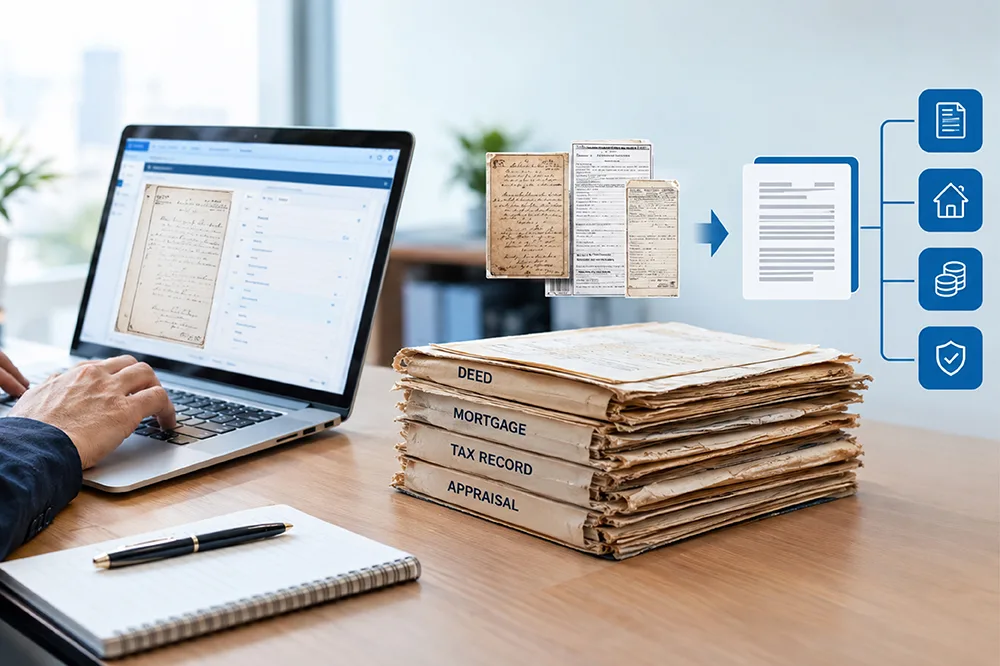

Healthcare institutions today are expected to deliver consistent, high-quality services while managing increasing operational complexity. Beyond clinical excellence, the efficiency of administrative processes determines how smoothly a hospital functions on a daily basis. From handling patient inflow to managing finances and ensuring compliance, administration forms the backbone of healthcare delivery. However, traditional administrative methods often struggle to keep up with modern demands. This is where Hospital Administration Software becomes essential, providing a structured and intelligent digital framework that enhances control, coordination, and operational clarity across the entire organization.
Building a Unified Administrative Ecosystem
Hospital Administration Software creates a centralized environment where all administrative activities are interconnected, enabling hospitals to function as a cohesive unit rather than a collection of independent departments. Instead of relying on separate systems for scheduling, billing, and resource management, the software integrates these processes into a single platform. This ensures that data is consistent, up-to-date, and accessible across the organization. Administrators can monitor operations in real time, identify inefficiencies, and make informed decisions quickly. By eliminating silos and improving communication, the system establishes a strong foundation for efficient hospital management.
Simplifying Complex Administrative Workflows
Managing hospital operations involves multiple interconnected processes that must run smoothly to ensure quality care. Hospital Administration Software simplifies these workflows by digitizing and automating key administrative functions. Patient registration is streamlined through digital data capture, reducing errors and saving time. Appointment scheduling becomes more organized with automated systems that manage availability and patient flow effectively. Admission and discharge processes are handled efficiently, ensuring that patient movement within the hospital is well-coordinated. By reducing manual intervention and standardizing processes, the software minimizes delays and enhances overall operational efficiency.
Financial Control with Real-Time Visibility
Financial management is a critical aspect of hospital administration, and Hospital Administration Software provides the tools needed to maintain accuracy and transparency. Billing processes are automated, ensuring that every service is recorded correctly and invoices are generated without delay. Payment tracking becomes more efficient, allowing administrators to monitor revenue streams and manage cash flow effectively. The system also supports insurance processing, reducing administrative burden and improving turnaround times. With access to real-time financial data, hospitals can make informed decisions, control costs, and maintain financial stability while ensuring a seamless experience for patients.
ABDM Certified Solutions: Enabling Nationwide Digital Connectivity
India’s healthcare sector is advancing toward a unified digital ecosystem through the Ayushman Bharat Digital Mission, and ABDM Certified Hospital Information System Solutions are playing a key role in this transformation. These solutions enable hospitals to integrate with a national health network, allowing secure and standardized exchange of patient data. With the use of ABHA IDs, patients can maintain a digital health record that is accessible across multiple healthcare providers. This improves continuity of care and reduces the need for repetitive documentation. For hospital administrators, this connectivity enhances coordination and supports better decision-making. Data sharing is conducted securely and with patient consent, ensuring privacy while enabling efficient healthcare delivery. By adopting ABDM-certified systems, hospitals align with national standards and contribute to a more connected and efficient healthcare ecosystem.
Optimizing Workforce Efficiency and Coordination
Effective workforce management is essential for maintaining smooth hospital operations, and Hospital Administration Software provides a structured approach to managing staff. It enables administrators to schedule shifts, allocate responsibilities, and monitor attendance through a centralized system. This ensures that staffing levels are balanced and resources are utilized efficiently. The software also supports performance tracking and workforce planning, helping hospitals maintain productivity and avoid operational disruptions. By improving coordination among staff members, hospitals can deliver consistent services and enhance overall efficiency.
Leveraging Data for Smarter Administrative Decisions
In a data-driven world, the ability to analyze and interpret information is crucial for effective management. Hospital Administration Software provides advanced analytics and reporting tools that help administrators gain insights into various aspects of hospital operations. From patient flow and resource utilization to financial performance, the system offers detailed data that supports strategic decision-making. Administrators can identify trends, detect inefficiencies, and implement improvements based on accurate information. This proactive approach ensures that hospitals can adapt to changing demands and maintain high standards of performance.
Strengthening Compliance and Risk Management
Healthcare institutions operate under strict regulatory frameworks, making compliance a critical responsibility. Hospital Administration Software simplifies this process by maintaining accurate records and ensuring traceability for all administrative activities. Every transaction and update is documented within the system, making audits more transparent and manageable. The software also incorporates robust security features to protect sensitive data, ensuring confidentiality and compliance with regulations. By reducing risks and improving accountability, hospitals can maintain trust among patients and stakeholders while operating within legal requirements.
Adapting to Evolving Healthcare Demands
The healthcare industry is constantly evolving, and hospitals must be prepared to adapt to new challenges and opportunities. Hospital Administration Software provides the flexibility needed to respond to these changes effectively. Cloud-based platforms enable remote access and scalability, allowing administrators to manage operations from different locations. Mobile applications enhance accessibility, enabling staff to perform tasks efficiently on the go. Integration with emerging technologies such as artificial intelligence further enhances operational efficiency by automating processes and providing predictive insights. This adaptability ensures that hospitals remain competitive and future-ready.
Why Digital Administration is Essential for Modern Hospitals
The complexity of healthcare operations makes digital administration a necessity rather than an option. Hospitals that rely on outdated systems often face inefficiencies, delays, and limited scalability. By adopting Hospital Administration Software, healthcare providers can streamline operations, improve coordination, and deliver better services. The ability to manage processes in real time, leverage data for decision-making, and maintain compliance gives hospitals a significant advantage in a competitive environment. Digital administration not only improves operational performance but also enhances the overall patient experience.
Conclusion
The efficiency of hospital administration directly impacts the quality of healthcare delivery, and Hospital Administration Software provides the tools needed to achieve operational excellence. By centralizing workflows, automating processes, and enabling data-driven decision-making, it transforms how hospitals manage their daily operations. The integration of ABDM Certified Hospital Information System Solutions further enhances this capability by connecting hospitals to a broader digital healthcare network. Together, these technologies create a robust and future-ready administrative system that supports efficient, coordinated, and patient-focused healthcare delivery.
Strengthen your hospital’s administrative efficiency with advanced, scalable solutions from Grapes Innovative Solutions and experience a smarter, more connected approach to healthcare management.
FAQs
What does Hospital Administration Software manage in a hospital?
It manages administrative functions such as scheduling, billing, staff coordination, reporting, and overall operational workflows.
How do ABDM Certified Hospital Information System Solutions improve healthcare delivery?
They enable secure data exchange, interoperability, ABHA integration, and better coordination across healthcare providers.
Can Hospital Administration Software help in reducing operational costs?
Yes, it optimizes resource utilization, reduces manual errors, and improves efficiency, leading to cost savings.
#HospitalAdministrationSoftware #HealthcareIT #DigitalHealthcare #HospitalManagement #ABDM #HealthTechIndia #HospitalSoftware #HealthcareOperations #PatientManagement #MedicalSoftware #SmartHospitals #GrapesInnovativeSolutions #HealthcareTransformation #DataDrivenHealthcare #ConnectedHealthcare