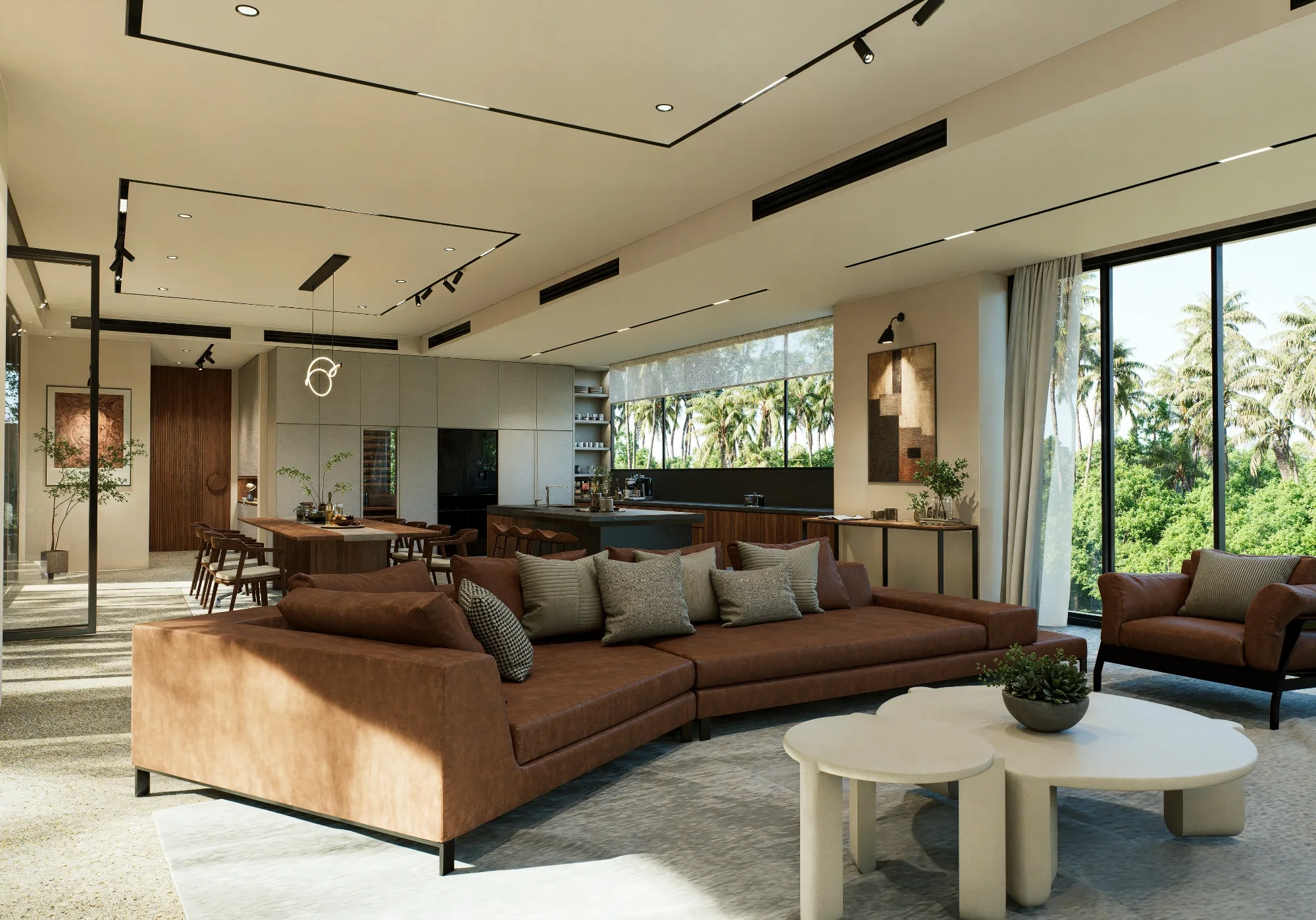

A home often feels right long before anyone can explain why.
The rooms flow easily; light arrives where it is needed, and daily routines unfold without friction. These qualities are rarely accidental. They come from thoughtful planning that prioritises lived experience over visual impact.
Understanding how people use their homes is the starting point. Morning routines, evening downtime, shared meals, and quiet moments all place different demands on space. When these patterns are considered early, interiors feel natural rather than staged. Rooms work together instead of competing for attention.
Across Auckland, this approach has become increasingly visible. Many homes shaped with insight from Interior Designers Auckland reflect a shift away from decorative statements toward environments that support everyday life. The focus is on balance, flexibility, and comfort that lasts beyond initial impressions.
Layout quietly determines how a home functions. Clear circulation allows movement without interruption, while thoughtful zoning creates separation without isolation. Living areas encourage connection; kitchens support both cooking and conversation, and private spaces offer genuine retreat. When layout is resolved well, it often goes unnoticed, which is usually a sign of success.
Light has an equally powerful influence. Natural light brings warmth and variation, changing how rooms feel throughout the day. Homes that rely on carefully placed openings tend to feel calmer than those dominated by large expanses of glass. Privacy, glare, and heat control are just as important as brightness. Artificial lighting works best when layered, allowing spaces to adapt from day to night.
Material choices shape how interiors age. Surfaces with texture and subtle variation often feel more forgiving over time than highly polished finishes. Timber, stone, and natural fabrics introduce warmth and depth without overwhelming a room. These materials tend to wear in rather than wear out, giving homes a sense of continuity.
Storage plays a quieter role but has a strong impact on how relaxed a home feel. Integrated solutions reduce visual clutter and allow spaces to remain adaptable. When storage is planned alongside layout, it supports daily habits instead of disrupting them. This clarity helps rooms feel open without becoming sparse.
Flexibility has become essential in modern homes. Rooms are rarely single purpose anymore. Dining spaces double as work areas, and spare rooms shift between guests and home offices. Interiors that accommodate this change tend to rely on neutral foundations and adaptable layouts rather than fixed design gestures.
Climate also shapes interior decisions. Auckland’s relatively mild conditions encourage a strong connection between inside and outside. When living areas extend naturally to decks or courtyards, homes feel more generous without increasing floor area. This relationship works best when it is treated as part of the interior experience, not an add-on.
Renovations often highlight the value of restraint. Working within an existing structure requires respect for what already functions well. Successful updates usually improve light, insulation, and flow while preserving original proportions or details. This layered approach creates homes that feel authentic rather than overwritten.
Sustainability now sits quietly within good interior thinking. Durable materials, ventilation, and energy efficiency are expected rather than highlighted. When performance is considered from the beginning, homes tend to require fewer changes over time and support long-term wellbeing.
What ultimately defines a successful home is ease. When spaces support daily life without resistance, they fade into the background and allow people to focus on living. For readers interested in exploring how these principles appear in real New Zealand homes, Interior Design Magazine NZ offers thoughtful insight through the editorial lens of Home Magazine.