
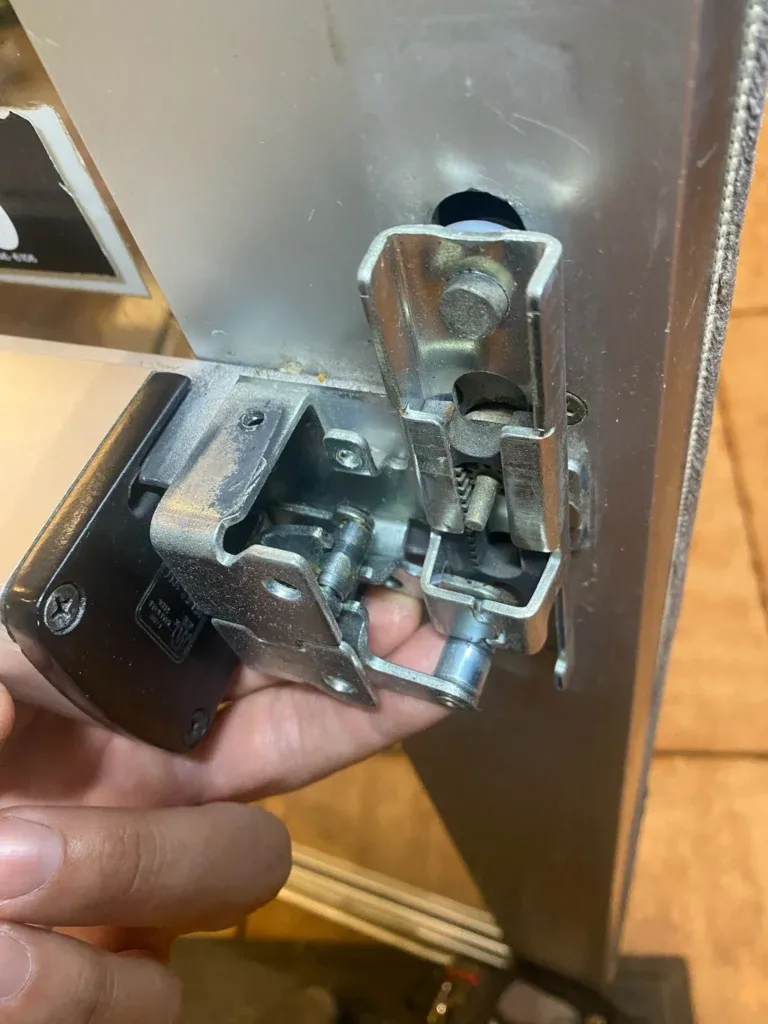
Home security begins with controlling who has access to the property. Homeowners often overlook the importance of their existing keys, especially after moving into a new house, losing a key, or changing household arrangements. Previous residents, contractors, or other individuals may still have copies of the original keys. These situations can create uncertainty about property access and overall security.
Home lock rekeying offers a practical way to update access without necessarily replacing the entire locking system. The process involves changing the internal configuration of an existing lock so that previous keys no longer operate it. A professional locksmith can complete this work while allowing homeowners to continue using suitable existing lock hardware.
🏠 What Is Home Lock Rekeying?
Rekeying is a locksmith procedure that changes the internal pin configuration of a compatible lock cylinder. The locksmith adjusts the mechanism so that it works with a new key instead of the previously issued key.
Unlike complete lock replacement, rekeying generally allows homeowners to retain their existing lock hardware. This makes it a useful option when the lock remains in good working condition but access permissions need to change.
Homeowners can also consider rekeying multiple compatible locks to operate with one new key, depending on the hardware and security requirements.
🔑 When Should Homeowners Consider Rekeying?
There are several situations when changing the internal configuration of residential locks can improve access control.
1. After Moving Into a New Home
Moving into a new property is an important time to review household security. Previous owners, tenants, maintenance workers, or contractors may have received copies of the original keys.
Rekeying helps ensure that previously issued keys no longer operate the affected locks. It gives new homeowners better control over who can enter the property.
2. 🔐 After Losing House Keys
Losing house keys can create concerns about unauthorized access, particularly when the keys are lost near the property or contain identifying information.
Rekeying provides a practical way to update the lock without replacing all the existing hardware. A locksmith can assess the situation and recommend an appropriate solution.
3. After Employee or Tenant Changes
Rental properties and homes with regular service personnel may involve several people having access over time. When tenants move out or household arrangements change, homeowners may want to update their locks.
Rekeying helps prevent old keys from providing continued access to the property.
4. Following a Security Concern
If homeowners suspect that someone has an unauthorized copy of a house key, updating the lock configuration can help restore access control.
A professional locksmith can inspect the existing hardware and determine whether rekeying is suitable or whether complete replacement would provide a better solution.
🛠️ How Does the Home Lock Rekeying Process Work?
Professional rekeying involves several steps to ensure the locking mechanism operates correctly.
Step 1: Lock Inspection
The locksmith examines the existing lock to check its condition, compatibility, and internal mechanism.
Step 2: Lock Cylinder Access
The appropriate components are accessed so the internal pin configuration can be adjusted.
Step 3: Pin Replacement or Adjustment
The locksmith changes the internal pins to match a new key configuration.
Step 4: New Key Preparation
A new key is prepared to operate the reconfigured lock.
Step 5: Functionality Testing
The locksmith tests the new key to confirm smooth operation and checks that the previous key no longer works.
This process helps maintain the existing hardware while updating household access.
🚪 Rekeying vs. Replacing Home Locks
Although both options improve access security, they serve different purposes.
| Home Lock Rekeying | Lock Replacement |
|---|---|
| Changes the internal lock configuration | Replaces the existing locking hardware |
| Retains compatible existing hardware | Installs a new lock |
| Useful when locks are in good condition | Suitable for damaged or outdated locks |
| Provides a new key configuration | Provides a completely new locking mechanism |
The right option depends on the condition of the lock, household security requirements, and the type of door hardware.
⚠️ Benefits of Professional Home Lock Rekeying
Professional rekeying offers several advantages for homeowners:
- Better Access Control: Previous keys no longer operate the reconfigured locks.
- Convenient Security Updates: Existing compatible hardware can remain in place.
- New Key Management: Homeowners can distribute updated keys to authorized household members.
- Multiple Lock Options: Compatible locks may be configured to operate with one key.
- Professional Inspection: A locksmith can identify worn components and recommend necessary repairs.
🏡 Choose Houston Secure Locksmith for Residential Rekeying
Choosing an experienced locksmith helps ensure that residential locks are handled correctly. Professional assistance is especially useful when homeowners have multiple entry points, different locking mechanisms, or concerns about missing keys.
Houston Secure Locksmith provides residential locksmith services in Houston, Texas, including lock rekeying, lock installation, lock repair, and home lockout assistance. The company also offers mobile locksmith support and 24/7 emergency assistance.
✅ Improve Home Access Security with Professional Rekeying
Home lock rekeying is a practical option for homeowners who want to update access without automatically replacing every existing lock. Whether moving into a new property, dealing with missing keys, or changing household access arrangements, professional rekeying can help maintain better control over entry.
Contact Houston Secure Locksmith today for professional home lock rekeying assistance in Houston and take an important step toward improving residential security.