A roof does much more than protect a building from rain and changing weather. It also contributes significantly to the character, appearance, and long-term value of a property. For homeowners considering natural materials, slate roofing offers a combination of traditional beauty and impressive durability.
However, choosing slate tile is not simply about picking a color or style. Several factors, including the type of slate, roof design, structural requirements, and installation method, should be considered before making a decision.
Consider the Type and Quality of Slate
Natural slate comes from stone that has been formed and transformed over long periods. Its properties can vary depending on the quarry and geological characteristics of the material. This means that two slate products may look similar while having different performance characteristics.
Quality is particularly important when longevity is a priority. Roofing slate is classified according to standards that evaluate factors such as durability and resistance to weathering. Selecting a suitable grade can help ensure that the material is appropriate for the expected conditions and intended lifespan of the roof.
It is also worth considering the natural variations found in slate. Slight differences in texture and color are part of what makes natural stone roofing distinctive. Rather than looking perfectly uniform, a finished roof can have subtle variations that give the building a more authentic appearance.
Think About Color and Architectural Style
One of the advantages of slate roofing is the variety of natural colors available. Depending on the source, slate can appear in shades such as gray, black, green, purple, or red.
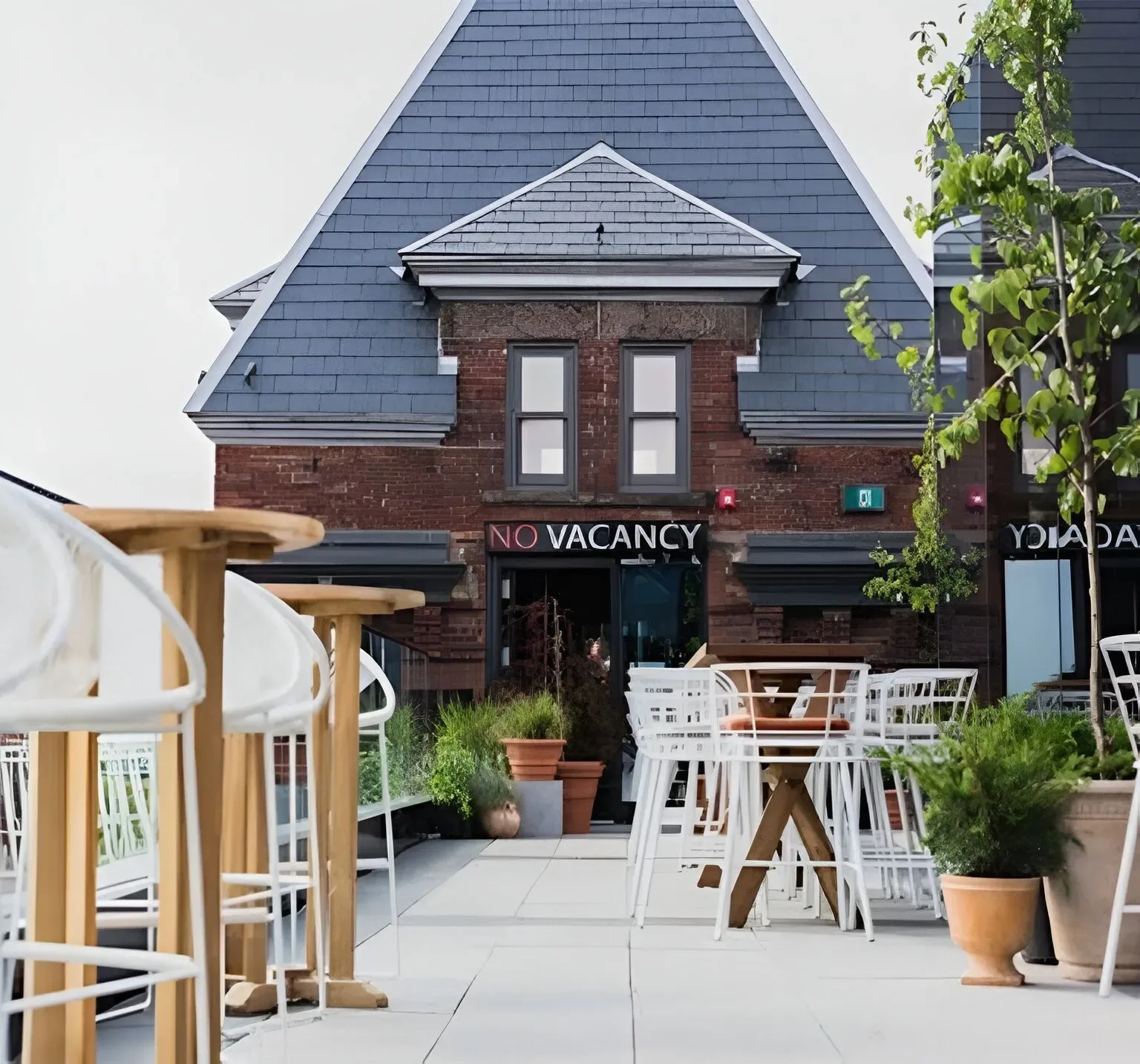
The best choice depends largely on the architecture of the property. A dark slate may complement a traditional home with strong exterior detailing, while a lighter or more varied combination can create a different visual effect.
Some homeowners may also choose to combine slate colors or use different patterns to complement architectural features. Since the roof can remain in place for decades, it is worth choosing an appearance that works with the building rather than following a short-term design trend.
Evaluate the Roof Structure
Natural slate is heavier than many commonly used roofing materials. Before installation, the existing roof structure should therefore be evaluated to determine whether it can support the additional load.
This is especially important when replacing an existing roof with slate. The age and condition of the structure, as well as the thickness and type of slate being considered, can influence the requirements for the project.
In some situations, a lightweight slate system may be worth considering. These systems can provide the appearance of natural slate while reducing the overall weight compared with a traditional installation.
A structural assessment before the project begins can help prevent unexpected problems later and ensure that the selected roofing system is appropriate for the building.
Understand the Different Slate Profiles
Slate roofing can be installed in different sizes and patterns. The dimensions of the individual pieces affect both the appearance of the roof and the amount of material required.
A slate tile with a smaller format can create a more detailed visual pattern, while larger pieces can produce a cleaner appearance. Thickness also affects weight and installation requirements.
The roof's pitch is another important consideration. Slate systems need to be installed appropriately for the roof design so that water can drain effectively and the individual pieces remain securely fastened.
Rather than choosing a product based solely on appearance, homeowners should consider how its size, thickness, and installation method work with the existing roof.
Installation Quality Makes a Difference
High-quality slate tile can deliver excellent performance when it is installed correctly. Natural slate requires installation techniques that differ from those used for many manufactured roofing products.
Experienced installers understand how to handle slate without unnecessary breakage and how to properly fasten individual pieces. They also pay close attention to areas such as valleys, chimneys, roof edges, and other locations where water management is particularly important.
Fasteners and flashing should also be selected with the long-term performance of the roof in mind. Poor installation can shorten the service life of the roofing system and create maintenance problems that could have been avoided.
For this reason, finding professionals with experience working specifically with natural slate is an important part of the planning process.
Plan for Inspection and Maintenance
Although slate is known for its durability, no roofing material should simply be ignored after installation. Periodic inspections can help identify cracked, loose, or missing pieces before they develop into larger problems.
Flashing, drainage areas, and other roof components should also be inspected as part of regular maintenance. Addressing small issues early can help protect the underlying structure from moisture damage.
Another important consideration is access. Slate can be damaged if someone walks directly on it without the proper equipment and technique. Repairs and inspections should therefore be carried out by professionals who understand how to work safely with the material.
Look Beyond the Initial Cost
Natural slate can require a larger initial investment than some conventional roofing materials. However, the cost should be considered alongside expected service life, maintenance requirements, appearance, and replacement frequency.
A durable roof that remains functional for many decades may offer a different long-term value proposition than a less expensive roof that needs to be replaced several times.
For homeowners who appreciate natural materials and are prepared to meet the structural and installation requirements, slate can be a practical long-term roofing choice as well as an architectural feature.
The right slate roofing project begins with careful planning. By considering material quality, appearance, structural capacity, installation expertise, and long-term maintenance, homeowners can make a more informed decision and select a roofing system that suits both the property and its future needs.