What if your hotel could tell stories long after the lights go out?
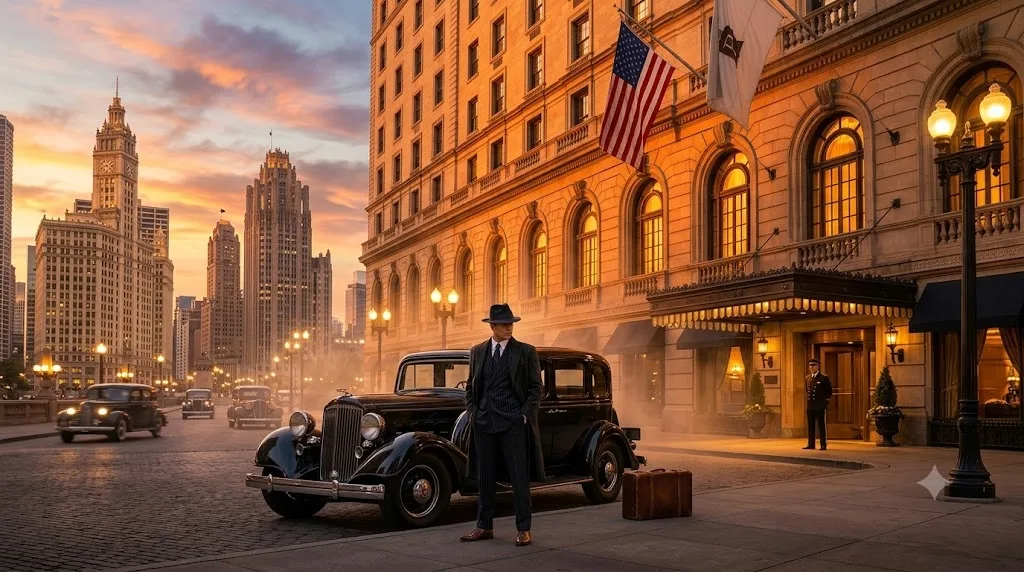
Some places offer a comfortable bed. Others offer something much rarer—a chance to sleep inside living history. Across Chicago, beautifully preserved landmark hotels have welcomed presidents, Hollywood icons, jazz musicians, famous athletes, and even notorious gangsters. Every grand lobby, marble staircase, and vintage ballroom reflects another chapter in the city's remarkable past.
For travelers seeking historic hotels in chicago, the experience goes far beyond choosing a place to spend the night. It becomes an opportunity to immerse yourself in architecture, culture, and stories that helped shape one of America's greatest cities.
Whether you're planning a romantic escape, a cultural getaway, or simply want accommodations with genuine character, Chicago offers an extraordinary collection of heritage hotels that continue to impress visitors more than a century after opening their doors.
Why Chicago's Historic Hotels Feel Different
Chicago rebuilt itself after the Great Fire of 1871 with extraordinary ambition. Architects experimented with new engineering techniques, designers embraced bold artistic styles, and entrepreneurs created luxury hotels that quickly became social centers for the city's growing influence.
Many of these buildings survived economic downturns, changing travel trends, urban renewal, and decades of redevelopment. Instead of disappearing, they found new life through thoughtful restoration.
Today, staying in one means experiencing:
- Original architectural craftsmanship
- Historic ballrooms and grand public spaces
- Rich local stories
- Prime downtown locations
- A stronger connection to Chicago's cultural identity
Unlike newly constructed hotels, these landmarks preserve details that modern buildings rarely replicate, from handcrafted ornamentation to soaring ceilings and intricate stonework.

Step inside hotels where history still welcomes every guest.
A Quick Look at Chicago's Historic Hotel Styles
Hotel StyleTypical EraSignature FeaturesPerfect ForBeaux-ArtsLate 1800s–1910sMarble, symmetry, grand entrancesLuxury travelersArt Deco1920s–1930sGeometric patterns, glamorous interiorsDesign enthusiastsVenetian GothicLate 1800sDecorative arches, dramatic facadesArchitecture loversAdaptive Reuse LandmarksVariousHistoric exteriors with modern interiorsTravelers wanting comfort and historyHistoric Commercial Buildings1890s–1910sOriginal office towers transformed into hotelsHeritage explorers
Hotels That Hosted Presidents
Throughout American history, Chicago has served as a political crossroads.
Presidents frequently visited the city for conventions, speeches, diplomatic meetings, and celebrations. Naturally, many chose the city's finest hotels.
The Blackstone Hotel
Known for its elegant Beaux-Arts architecture, The Blackstone quickly became one of Chicago's premier addresses after opening in 1910.
Its guest list reads like a presidential timeline. Theodore Roosevelt, Herbert Hoover, Dwight Eisenhower, John F. Kennedy, Richard Nixon, Jimmy Carter, Ronald Reagan, Bill Clinton, and Barack Obama all stayed here during various visits.
The hotel's nickname—"The Hotel of Presidents"—was earned through decades of political history.
Today, visitors can still appreciate the magnificent lobby, refined public spaces, and restored architectural details that once impressed world leaders.
Congress Plaza Hotel
Opened for the World's Columbian Exposition in 1893, the Congress Plaza Hotel became one of the city's grandest accommodations.
Presidents, diplomats, military leaders, and international visitors frequently stayed here thanks to its prestigious location overlooking Grant Park.
Its long hallways, historic meeting rooms, and lakefront views continue to preserve much of the atmosphere that welcomed influential guests more than a century ago.
Where Hollywood Stayed
Chicago's entertainment scene has always attracted actors, directors, and performers.
Luxury hotels became natural gathering places during film premieres, theater productions, and major events.
Chicago Athletic Association Hotel
Originally built as an exclusive private club in 1893, this Venetian Gothic masterpiece now welcomes travelers from around the world.
The building combines remarkable historic preservation with modern hospitality.
Inside you'll discover:
- Original stained glass
- Ornate woodwork
- Decorative ceilings
- Historic athletic spaces reimagined for guests
The rooftop offers one of downtown Chicago's most memorable perspectives while maintaining the property's historic identity.
The Drake Hotel
Few Chicago hotels symbolize timeless elegance quite like The Drake.
Since opening in 1920, it has welcomed celebrities, royalty, musicians, and countless distinguished visitors.
Afternoon tea remains one of its most beloved traditions, allowing guests to enjoy classic hospitality inside one of the city's most recognizable landmark buildings.
 Imagine the conversations these walls have witnessed across generations.
Chicago's Fascinating Gangster Connections
No conversation about Chicago history feels complete without mentioning the Prohibition era.
While many stories have grown larger through legend, several historic hotels were closely connected to the social life of the 1920s and 1930s.
Business leaders, politicians, entertainers, journalists, and organized crime figures often crossed paths inside elegant dining rooms and glamorous ballrooms.
Hotels themselves weren't criminal hideouts. Instead, they served as meeting places during one of America's most colorful historical periods.
That blend of luxury and mystery continues to fascinate visitors today.
Walking through these preserved buildings offers a glimpse into an era filled with jazz music, political intrigue, and unforgettable personalities.
Architecture Worth Looking Up
One of the greatest pleasures of staying in historic hotels in chicago is simply slowing down long enough to admire the architecture.
Chicago gave the world the skyscraper.
Many historic hotels occupy landmark buildings designed by architects who helped define modern American architecture.
Look for details such as:
- Intricate terra-cotta facades
- Decorative cornices
- Original marble columns
- Mosaic flooring
- Brass elevators
- Vaulted ceilings
- Hand-carved wood paneling
- Historic staircases
These elements weren't designed merely for function—they reflected civic pride and artistic ambition.
Unlike museums, hotels allow guests to experience this architecture as living spaces rather than static exhibits.
 Every carved column and stained-glass window tells another chapter of Chicago's story.
Landmark Hotels Built Before 1910
Some of Chicago's oldest surviving hotel properties began life as office towers, clubs, or commercial buildings before being thoughtfully restored.
Notable examples include:
- Chicago Athletic Association Hotel (1893)
- Congress Plaza Hotel (1893)
- Kimpton Gray Hotel (1894)
- Staypineapple at the Reliance Building (1895)
- Hotel Blake (1896)
- Silversmith Hotel (1896)
- Canopy by Hilton Chicago (1904)
- Soho House Chicago (1908)
- The Blackstone Hotel (1910)
Each property tells a different story about Chicago's rapid growth during the late nineteenth and early twentieth centuries.
Stay Near Chicago's Biggest Attractions
One advantage of many heritage hotels is their central location.
Visitors can easily reach:
- Millennium Park
- The Art Institute of Chicago
- Grant Park
- Chicago Riverwalk
- Magnificent Mile
- Theater District
- Museum Campus
- Navy Pier
- Chicago Cultural Center
Instead of spending valuable vacation time commuting, guests often find themselves within walking distance of the city's most famous landmarks.
That convenience makes exploring neighborhoods much more enjoyable.
Choosing the Right Historic Hotel
Every traveler values something different.
Here's a simple guide.
For Luxury
Choose grand Beaux-Arts landmarks with elegant public spaces, historic ballrooms, and premium amenities.
For Architecture
Look for former landmark office buildings or iconic clubhouses that showcase original craftsmanship.
For Couples
Boutique heritage hotels offer intimate settings, beautiful interiors, and romantic city views.
For History Enthusiasts
Focus on hotels connected to major historical events, famous guests, or significant architectural milestones.
For First-Time Visitors
Downtown Loop and River North locations provide excellent access to museums, parks, restaurants, and public transportation.
Questions Travelers Often Ask
Are historic hotels comfortable?
Absolutely. Most have undergone extensive renovations while carefully preserving their architectural character. Guests enjoy modern amenities alongside original historic features.
Are they more expensive?
Prices vary considerably. Some landmark hotels offer luxury experiences, while others provide surprisingly affordable rates depending on season and location.
Can families stay in historic hotels?
Yes. Many welcome families and offer spacious rooms, convenient downtown locations, and easy access to major attractions.
Are these buildings officially protected?
Many occupy designated landmark buildings or contribute to historic districts, helping preserve Chicago's architectural heritage for future generations.
More Than a Place to Sleep
Choosing historic hotels in chicago often changes the entire travel experience.
Instead of ending each sightseeing day inside a generic room that could exist anywhere, you return to a building that continues the story.
Perhaps you're walking through a lobby where a famous actor once checked in.
Maybe you're riding an elevator that has served guests for generations.
Or perhaps you're enjoying breakfast beneath ceilings crafted over one hundred years ago.
Those moments create lasting memories that ordinary accommodations simply cannot replicate.
Supporting Preservation Through Travel
Historic hotels demonstrate how preservation and tourism can work together.
Rather than demolishing remarkable buildings, Chicago has repeatedly shown how thoughtful restoration can give landmark structures a vibrant second life.
Travelers become part of that success story by choosing accommodations that celebrate architecture, craftsmanship, and local heritage.
The result benefits visitors, neighborhoods, and future generations alike.
Planning an Authentic Chicago Stay
Before booking, consider a few practical questions:
- Do you want classic luxury or boutique charm?
- Would you rather stay near museums or shopping?
- Is architectural significance your priority?
- Are you interested in famous guests and historical stories?
- How much walking do you plan to do?
Answering these questions helps narrow your options while ensuring your accommodation complements the rest of your itinerary.
 Some cities preserve history in museums. Chicago lets you sleep inside it.
Experience Chicago Through Its Living Landmarks
Chicago's skyline tells one story from the outside, but its historic hotels reveal another from within. They preserve remarkable architecture, unforgettable craftsmanship, and fascinating stories involving presidents, celebrities, artists, entrepreneurs, and even legends of the Prohibition era.
For travelers who value authenticity, these landmarks transform an ordinary overnight stay into a meaningful part of the journey. If you're ready to book historic hotel chicago experiences that combine heritage with modern comfort, take time to compare properties based on their history, architecture, and location. Resources such as Chicago Historic Hotels, curated by Preservation Chicago, offer a trusted starting point for discovering these remarkable places and the stories they continue to tell.