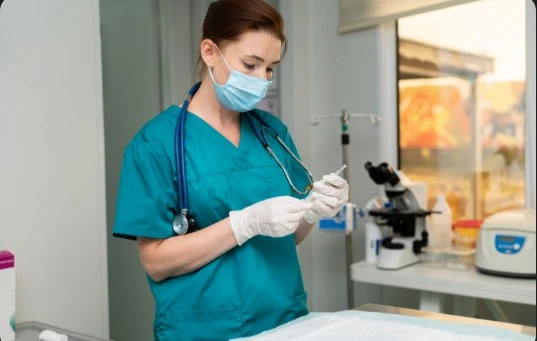
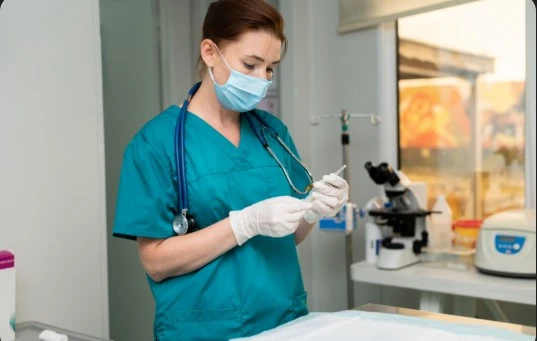
High-touch areas in healthcare facilities are surfaces and objects that are frequently handled by patients, staff, and visitors, making them potential reservoirs for harmful microorganisms. These areas require extra attention and more frequent cleaning and disinfection to prevent the spread of healthcare-associated infections (HAIs)
Make Patient Care Areas Clean
General principles
- Assess the situation: Before starting, assess the room to identify potential hazards and determine if enhanced precautions or additional PPE are needed, especially in isolation rooms.
- Follow a systematic path: Start from the door and work clockwise around the room, from cleaner to dirtier areas and from high to low
- Clean before disinfecting: The first step is to physically remove all visible soil, blood, or other organic matter using a detergent. By Professional health care cleaning for infection control disinfectants are less effective on dirty surfaces.
- Use correct disinfectants: Follow manufacturer instructions for dilution and contact time. Disinfectants should be prepared fresh daily.
- Avoid cross-contamination: Use a new, clean cloth for each surface or area. Color-coding can help distinguish between different areas, like a blue rag for the bed and a separate bathroom rag.
- Use PPE: Staff must wear appropriate PPE (gloves, gown, eye protection) and perform hand hygiene before and after cleaning.
- Clean high-touch surfaces last: These include bed rails, light switches, doorknobs, and call buttons.
Step-by-step cleaning process
- Preparation:
- Put on PPE and perform hand hygiene.
- Gather supplies, including cleaning and disinfectant solutions, trash bags, and fresh clothes.
- Remove trash, linens, and personal items from the room.
Cleaning and disinfecting surfaces:
- Dry and damp wipe: Start by dusting and then damp wipe all surfaces, working from top to bottom.
- High-touch surfaces: Clean and disinfect all high-touch surfaces (e.g., bed rails, tables, chairs, light switches, remotes, doorknobs).
- Bathroom: Clean the sink, toilet, and other bathroom fixtures, and damp mop the floor.
- Floor cleaning:
- Vacuum or sweep: Remove loose debris first.
- Damp mop: Mop the floor using a figure-eight motion and a disinfectant solution, working from the back of the room to the door.
Final steps:
- Final inspection: Check that all surfaces are clean, dry, and in place.
- Remove PPE: Properly remove PPE and perform hand hygiene again.
- Post caution signs: Place a "wet floor" sign and remove it only after the floor is completely dry.
Waiting Rooms and Reception Desks
Daily cleaning routine
- Tidy up: Remove unnecessary papers, personal items, and clutter from the desk and waiting area.
- Dust surfaces: Dust furniture, decor, and electronics regularly.
- Disinfect high-touch areas: Wipe down and disinfect doorknobs, reception desk surfaces, chair arms, and any shared items like pens or touchscreens.
- Sanitize trash cans: Empty and sanitize trash cans regularly.
- Clean floors: Sweep and/or vacuum floors, and then mop with a disinfectant solution, giving extra attention to high-traffic areas.
- Wipe down furniture: Clean chairs and tables, paying attention to upholstery if necessary.
Deeper cleaning and maintenance
- Use appropriate cloths: Use microfiber cloths and a disinfectant spray for surfaces. The color-coding method can prevent cross-contamination, notes Kärcher.
- Consider steam cleaning: A professional steam cleaner can effectively clean floors, furniture, and hard-to-reach areas, notes Kärcher.
- Address upholstery: Vacuum upholstery regularly. For deeper cleaning, steam cleaning or specific upholstery cleaners may be necessary.
- Choose cleaning products wisely: Opt for non-toxic or eco-friendly products when possible, especially in environments with sensitive individuals. Avoid harsh chemicals on delicate surfaces like electronic screens, for which specific products or a water-dampened microfiber cloth should be used.
Long-term upkeep
- Choose durable furniture: Select furniture and decor that is easy to disinfect, such as those made from plastic, leatherette, or microfiber, rather than porous materials, advises Unitex Textiles.
Nurse Stations and Workstations Cleaning Practice
Key Principles
- Cleaning vs. Disinfecting: Cleaning physically removes dirt and organic matter using detergent and water. This must happen before disinfecting, as organic matter can compromise the disinfectant's effectiveness. Disinfecting uses chemicals an EPA-registered, hospital-grade disinfectant to kill most or all germs on the surface.
- High-Touch Surfaces: Focus on areas frequently touched by staff, patients, or visitors, as these are the most likely sources of germ transmission.
- Systematic Approach: Proceed from clean to dirty areas and from high to low surfaces to avoid recontamination. Use a methodical pattern (e.g., S-shaped or left to right) to ensure no spots are missed.
- Personal Protective Equipment (PPE): Staff should wear appropriate PPE, such as gloves and sometimes a mask or eye protection (if splashes are possible), when cleaning and handling disinfectants or contaminated materials.
Step-by-Step Procedure
- Gather Supplies: Microfiber cloths, hospital-grade disinfectant wipes or solution, a trash bag, and appropriate PPE (gloves, etc.).
- Perform Hand Hygiene: Wash hands with soap and water or use an alcohol-based hand rub before starting the process.
- Clear the Area: Remove all unnecessary items, old papers, and trash. Dispose of waste according to facility protocols.
- Clean (Remove Soil): Use a damp cloth with a neutral detergent solution and mechanical action to remove any visible dirt or debris. For spills of blood or body fluids, use absorbent material to wipe up the bulk of the spill immediately, then clean the area thoroughly.
- Disinfect: Apply an EPA-registered, hospital-grade disinfectant to the surface. Ensure the surface remains wet for the manufacturer's specified "contact time" (dwell time) to effectively kill pathogens.
- Target High-Touch Items: Pay special attention to keyboards, mice, monitors, phone receivers, call buttons, light switches, drawer handles, armrests, and the main desk surface. Use disposable wipes or a fresh cloth for each workstation to prevent cross-contamination.
- Allow to Dry: Let the surfaces air dry completely.
- Organize and Restock: Put back only necessary, clean items. Restock cleaning supplies if needed.
- Proper Waste Disposal and Hand Hygiene: Dispose of soiled cloths/wipes and waste in designated receptacles. Remove PPE and perform thorough hand hygiene again.
Frequency
- Routine Areas: At least once daily.
- High-Risk Areas (ICU, ER): More frequent cleaning, possibly after each procedure or multiple times per shift.
- Shared Workstations: Clean and disinfect between each shift or staff change.
- Visibly Soiled: Clean and disinfect immediately whenever a surface becomes visibly dirty with blood or body fluids.
Medical Equipment and Devices disinfecting
General cleaning steps
- Act immediately: Clean equipment as soon as possible after use to prevent bioburden from drying and hardening.
- Remove gross debris: Pre-rinse with water to remove large particles and contaminants.
- Wash with detergent: Use warm water and a compatible detergent. For hard-to-reach areas, use brushes or sponges. Ensure all surfaces are exposed to the cleaning action.
- Rinse thoroughly: Rinse the equipment with clean water to remove all detergent residue.
- Dry completely: Dry the equipment to prevent rust and prepare it for the next step.
Specific cleaning methods
- Manual cleaning: Wash items with warm, soapy water and a soft cloth or brush. This is effective for most basic cleaning tasks.
- Mechanical cleaning: Use a washer-disinfector or ultrasonic cleaner for more complex instruments.
- Ultrasonic cleaning: Use a low-foaming enzymatic cleaner in an ultrasonic bath. The sonic waves create tiny bubbles that dislodge soil from crevices and hard-to-reach areas. This method is very effective for intricate instruments like surgical tools.
- Washer-disinfectors: These machines can perform automated pre-rinse, washing, rinsing, and drying cycles.
Important considerations
- Follow manufacturer instructions: Always adhere to the specific cleaning guidelines provided by the equipment manufacturer to avoid damage and ensure effectiveness.
- Use appropriate cleaning agents: Choose a detergent that is suitable for the equipment's material. Avoid abrasive cleaners that could damage surfaces. Enzymatic or neutral detergents are often recommended for medical equipment.
- Keep cleaning areas separate: Have a designated area for cleaning and decontamination that is separate from areas where clean items are handled to prevent cross-contamination.
- Use PPE: Wear personal protective equipment (PPE) while cleaning to protect yourself from potential contaminants and cleaning agents.
- Disinfect after cleaning: Cleaning removes organic matter, but disinfection is necessary to kill microorganisms.
Elevators, Buttons, and Shared Controls cCleaning Procedures
Materials Needed
- Microfiber cloths or disposable paper towels
- Mild, non-abrasive, and non-corrosive cleaner like a mild soap and water solution
- EPA-registered disinfectant Protective gear Small, soft-bristled brush like an old toothbrush for crevices
Step-by-Step Procedure
- Prioritize Safety:
- If possible, take the elevator out of service or lock it to prevent accidental button presses and ensure the elevator does not move during cleaning.
- Wear disposable gloves.
Initial Cleaning (Remove dirt and grime):
- First, use a dry microfiber cloth or a soft-bristled brush to remove any loose dust, hair, or debris from around and between the buttons.
- If the surfaces are visibly dirty, use a damp cloth with a mild, non-abrasive cleaner to clean them. This step physically removes germs and dirt before disinfection.
- Disinfection (Kill germs):
- Crucial Step: Spray the disinfectant solution onto a clean microfiber cloth or paper towel until it is damp, not soaking wet. Never spray liquid directly onto the buttons or control panel, as moisture can seep into the electrical components and cause severe damage or create an electrical hazard.
Wipe down all high-touch surfaces, including:
- All elevator call buttons (inside the cab and in lobbies).
- Control panels.
- Handrails.
- Door frames and edges.
- Ensure the surface remains visibly wet for the contact time specified on the disinfectant product's instructions
Final Steps:
- Allow the surfaces to air dry thoroughly.
- If the materials are stainless steel, you can use a specialized stainless steel polish applied to a separate dry cloth to achieve a uniform, streak-free shine, wiping with the grain.
- Properly dispose of any used disposable towels and gloves immediately after use. Wash reusable cloths at the warmest appropriate setting.
Key Precautions
- Avoid certain chemicals: Do not use bleach-based solutions on polycarbonate or plastic fixtures, as they can cause damage. Avoid using highly concentrated alcohol solutions on lacquered surfaces for the same reason.
- Avoid sponges: Sponges can harbor bacteria and retain too much moisture, posing a risk to electrical components.
- Consult manufacturer guidelines: Always review the elevator manufacturer's cleaning instructions to ensure the products you use are compatible with the specific surface materials.
Furniture and Shared Surfaces Cleaning
- General cleaning
- Dusting: Use a soft or microfiber cloth to dust surfaces daily to prevent buildup.
- Washing: Mix a small amount of mild dish soap with warm water. Use a damp cloth to wipe down surfaces, then rinse with a clean, damp cloth and dry thoroughly with a separate cloth.
- Avoid: Never use abrasive cleaners like bleach or ammonia on most furniture, especially wood, as they can cause damage.
- Specific surfaces
- Upholstery:
- Vacuum: Use a vacuum with an upholstery attachment to remove dust, dirt, and debris regularly.
- Disinfect: Use a fabric-safe sanitizing spray for a light mist, but avoid soaking the fabric.
- Deodorize: Sprinkle baking soda on fabric, let it sit, then vacuum it up to neutralize odors.
- Deep clean: Consider professional steam cleaning or rent a steam cleaner for a deeper sanitization.
- Wood:
- Use a damp microfiber cloth and mild soap for spots, then dry immediately.
- Avoid over-wetting the wood, as it can cause warping.
- Dry thoroughly to prevent water damage and protect the finish.
- Metal and glass:
- Wipe down with a damp cloth and mild cleaner.
- Use a vinegar and water solution for glass to avoid streaks.
- Dry the surfaces completely to prevent water spots or rust.
Cafeteria and Break Room Touchpoints Cleaning
Key Touchpoints
- Surfaces that are frequently touched by multiple people should be prioritized.
- Appliance handles and buttons: Refrigerators, microwaves, coffee makers, vending machines, and water coolers.
- Door handles and push areas: Both on the main entrance to the break room and on internal cabinets/cupboards.
- Sinks and faucets: Faucet handles and soap/paper towel dispensers are among the most contaminated surfaces.
- Countertops and tables: Surfaces where food is prepared or consumed.
- Light switches: Used by everyone entering and leaving the area.
- Shared equipment: Keyboards, phones, or remote controls if applicable.
- Chairs: The tops/backs where people pull them out.
- Trash and recycling bins: Especially the lids or handles.
- Cleaning Procedures and Best Practices
- Clean First, Then Disinfect/Sanitize: Always clean visibly dirty surfaces with soap and water or a detergent to remove dirt and food residues before applying a sanitizer or disinfectant.
- Use the Right Products:
- For general disinfection of non-food surfaces, use an EPA-registered disinfectant and follow the manufacturer's instructions, including the required dwell time (how long the surface must remain wet to effectively kill germs).
- For food-contact surfaces, use a food-safe sanitizer like those containing quaternary ammonium compounds (quats), chlorine, or iodophors. These may require no rinsing, but always verify the label instructions.
- Use Proper Tools: Use clean microfibre cloths or disposable wipes to prevent cross-contamination. Use color-coded cloths for different areas (e.g., one color for the break room, another for restrooms).
- Safety First:
- Wear disposable gloves when handling cleaning chemicals.
- Ensure proper ventilation when using disinfectants.
- Never mix different cleaning agents, especially bleach with ammonia or other cleaners, as this can produce toxic gases.
- Ensure all appliances are turned off and cooled down before cleaning them.
Recommended Frequency
- Multiple times daily: Faucet handles, soap/sanitizer dispensers, door handles, light switches, and shared appliance handles
- Daily: Countertops, tables, sink basins, appliance exteriors, and emptying of trash/recycling bins.
- Weekly: Interior of microwaves, checking and wiping down refrigerator shelves/drawers for expired food, sanitizing sinks thoroughly, and deep cleaning floors.
- Monthly: Deep clean the fridge and freezer, clean air vents, and perform other deep cleaning tasks in hidden areas.
- Establishing Responsibility
- Clear guidelines are essential. Post a cleaning schedule or assign specific tasks to staff on a rotating basis, or use a professional cleaning service to handle these critical areas consistently. Providing adequate and easily accessible cleaning supplies encourages a "clean as you go" culture.
Conclusion
The critical conclusion regarding high-touch areas in healthcare facilities is that these surfaces act as major reservoirs for harmful pathogens, including multidrug-resistant organisms (MDROs), and are pivotal points in the chain of infection transmission. Consequently, giving them extra, prioritized attention through rigorous and frequent cleaning and disinfection is a fundamental, essential component of an effective healthcare-associated infection (HAI) prevention program.
FAQ
1. What are “high-touch” areas in a healthcare facility?
High-touch areas are surfaces and objects that are frequently touched by multiple people throughout the day — such as patients, healthcare workers, and visitors. Because of this constant contact, they can easily harbor and transmit harmful pathogens.
2. Why do high-touch areas need extra cleaning and disinfection?
These areas are prime spots for cross-contamination. Germs can survive on surfaces for hours or even days, leading to the spread of infections. Regular, thorough disinfection of high-touch zones significantly reduces the risk of healthcare-associated infections (HAIs).
3. How often should high-touch surfaces be cleaned and disinfected?
Frequency depends on usage and risk level. In most healthcare environments, high-touch areas should be disinfected multiple times per day — especially in patient rooms, treatment areas, and restrooms. Critical zones like operating theaters and ICUs may require cleaning after every patient interaction.
4. What cleaning products are best for high-touch areas?
Use EPA-approved hospital-grade disinfectants that are effective against a wide range of pathogens, including bacteria and viruses. Microfiber cloths and color-coded cleaning tools are also essential to avoid cross-contamination between clean and contaminated areas.
5. Who is responsible for maintaining high-touch surface hygiene?
Environmental services (EVS) or professional healthcare cleaning teams handle routine disinfection, but all healthcare staff play a role. Proper hand hygiene and immediate cleaning of visibly soiled surfaces help maintain a safe environment.