
Homeowners in Ensley often find themselves fighting an uphill battle against the oppressive Florida heat and high humidity levels. When an attic lacks sufficient thermal resistance, heat transfers directly into the living spaces, forcing cooling systems to work overtime and driving utility costs significantly higher. Prestige Insulation Solutions addresses these specific regional challenges by offering professional high-R-value attic insulation and air sealing services that create a more comfortable indoor environment while protecting the building structure.
Local properties require a specialized approach to thermal management because of the unique coastal climate. This article explores how modern spray foam insulation techniques help maintain consistent indoor temperatures and why air sealing is a necessary partner to high-performance materials. The discussion covers various material options, the importance of thermal resistance, and how Prestige Insulation Solutions assists property owners in achieving long-term energy efficiency. Sections below examine air sealing strategies, material comparisons, and the wide range of services available for both residential and commercial buildings.
Implementing Advanced Thermal Barriers with Prestige Insulation Solutions
Effective temperature control begins in the attic, where the sun’s radiation hits the hardest throughout the day. In Florida, attics can reach temperatures well over 140 degrees, and without a proper barrier, that heat migrates downward into the home. Prestige Insulation Solutions focuses on installing materials with high R-values to stop this heat transfer, ensuring that the cool air produced by the air conditioner stays where it belongs.
Understanding the R-Value Requirement in Florida
The R-value measures the capacity of an insulating material to resist heat flow. The higher the number, the better the material performs. For residential properties in Ensley, the Department of Energy often suggests levels between R-38 and R-60 for attic spaces. This level of protection is necessary because it accounts for the extreme temperature differentials between the scorched roof deck and the conditioned living space.

Why High Performance Matters for Older Homes
Many older homes in the area were built with minimal insulation that has settled or degraded over the decades. When the material thins out, it loses its ability to trap air, leading to hot spots and high humidity indoors. Upgrading to a modern, high-R-value system provides a significant boost in comfort. It also helps prevent the HVAC system from cycling too frequently, which can extend the life of the equipment and reduce maintenance needs.
Professional Installation Versus General DIY
While some homeowners attempt to add insulation themselves, professional installation ensures that the material is distributed evenly and reaches every corner. Gaps as small as an inch can lead to significant thermal bridging, where heat bypasses the insulation entirely. Experts use specialized equipment to achieve the correct density and depth, which is vital for reaching the target R-value.
Strategic Air Sealing: The Foundation of Thermal Performance
Insulation is only one part of the equation when it comes to energy efficiency. Even the thickest layer of fiberglass or cellulose cannot stop air from moving through small cracks and holes in the attic floor. Air sealing is the process of finding and closing these leaks to prevent conditioned air from escaping and hot, humid air from entering. This step is what makes high-R-value materials truly effective.
Small openings around plumbing stacks, electrical wires, and recessed lighting act like chimneys, pulling air out of the house. This phenomenon, known as the stack effect, creates a constant draft that makes the home feel less comfortable and increases energy waste. By sealing these penetrations with foam or caulk before adding new insulation, the building envelope becomes much more secure.
Locating Common Air Leaks
Most air leaks in an attic are hidden beneath existing insulation. Professionals look for dark stains on old fiberglass, which often indicate where air is filtering through. Key areas include the top plates of interior walls, where the drywall meets the wooden frame. Sealing these joints prevents air from moving between the attic and the wall cavities.
The Impact on Indoor Air Quality
Air sealing does more than just save money on power bills; it also improves the air people breathe. Unsealed attics can allow dust, allergens, and moisture to seep into the home. In the humid Ensley climate, moisture infiltration can lead to organic growth issues within the walls. A tight seal keeps the attic environment separate from the living space, contributing to a cleaner and healthier home.
Synergy Between Sealing and Insulation
When air sealing and high-R-value insulation work together, they create a comprehensive thermal envelope. The seal stops the movement of air, while the insulation slows the transfer of heat. This combination is the most effective way to manage the local climate. It ensures that the investment in new materials provides the maximum possible return in terms of comfort and cost savings.
Comparing Attic Insulation Materials for Florida Climates
Choosing the right material depends on the specific goals of the property owner and the existing condition of the attic. Some materials are better for filling tight spaces, while others offer the highest R-value per inch. Understanding these differences helps in making an informed decision for long-term performance.
Insulation TypeR-Value per InchPrimary BenefitBest Use CaseSpray Foam (Closed Cell)6.0 to 7.0Acts as a total air and vapor barrierHigh-performance attic conversionsSpray Foam (Open Cell)3.5 to 3.8Excellent sound dampening and air sealingStandard residential attic walls and floorsBlown-In Cellulose3.2 to 3.8Environmentally friendly and fire resistantTopping off existing attic insulationBlown-In Fiberglass2.2 to 2.7Lightweight and won't settle over timeLarge attic floors with many obstructionsFiberglass Batts2.9 to 3.8Standard and cost-effectiveNew construction with open wall cavities
Benefits of Blown-In Solutions
Blown-in insulation is highly effective for attics because it can be installed around rafters and joists without leaving gaps. Cellulose is often treated with borate to resist pests and fire, making it a popular choice for homeowners looking for added safety. Fiberglass remains a staple because it is moisture-resistant and does not provide a food source for mold.
The Role of Spray Foam in High-Efficiency Designs
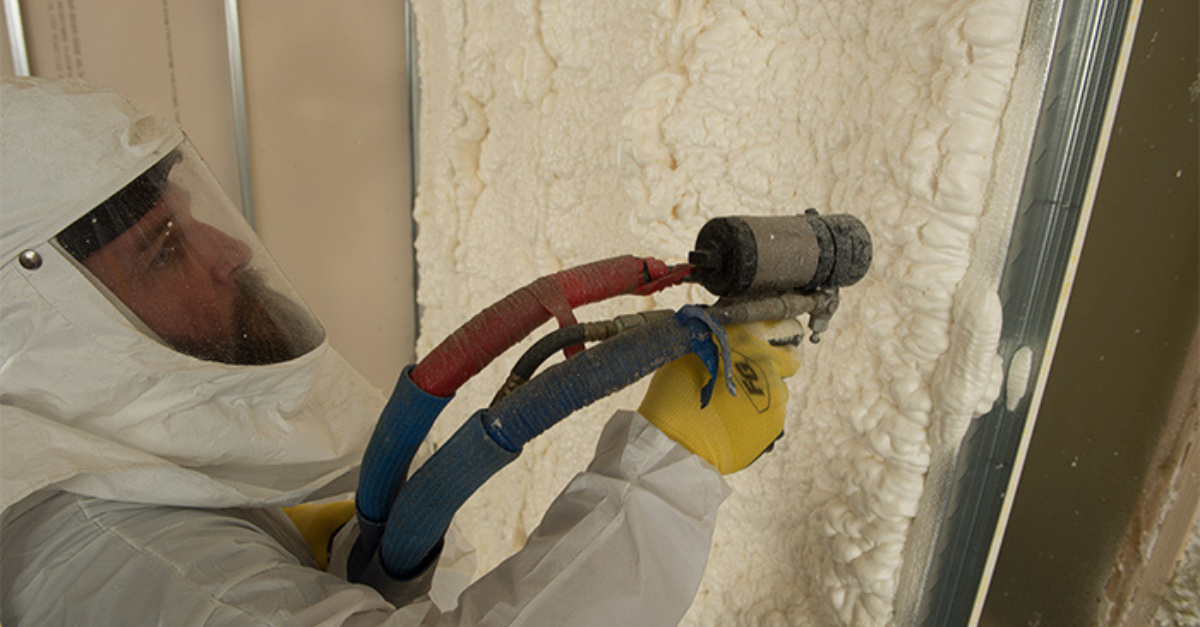
For those seeking the ultimate in energy control, spray foam provides both insulation and air sealing in a single application. It expands to fill every crack, creating a custom fit that is impossible to achieve with manual batts. This material is particularly useful in Ensley for creating "conditioned attics," where the insulation is applied to the roof deck rather than the floor.
Comprehensive Service Range for Diverse Property Needs
Managing the thermal needs of a building requires a variety of specialized services. Whether it is a small residential home or a large commercial facility, the goals remain the same: efficiency, comfort, and durability. Prestige Insulation Solutions provides a full suite of options to address every part of the building envelope.
Their team handles the following services to ensure every property in the area is protected from the elements:
- Spray Foam Insulation: Provides a high-performance seal and thermal barrier.
- Blown-In Insulation: Ideal for covering large attic floors quickly and effectively.
- Fiberglass Insulation: A reliable and moisture-resistant option for various applications.
- Roof Insulation: Targets the primary source of heat gain in Florida buildings.
- Insulation Removal: Safely clears out old, contaminated, or damaged materials.
- Commercial Insulation: Specialized solutions for warehouses, offices, and retail spaces.
- Residential Insulation: Focused on maximizing comfort for local families.
- Spray Foam Roofing Insulation: Protects the exterior of commercial roofs while adding R-value.
- Commercial Spray Foam: Offers structural strength and energy savings for large-scale projects.
The Importance of Insulation Removal
Before new, high-quality materials are installed, it is often necessary to remove the old ones. Insulation that has been damaged by roof leaks or pests can carry odors and allergens. Removing the old debris allows for a clean slate, making it easier to perform thorough air sealing on the attic floor before the new high-R-value material is applied.
Commercial versus Residential Applications
While the physics of heat transfer are the same, the scale of commercial projects requires different logistics. Commercial spray foam can add structural integrity to large metal buildings while providing a seamless thermal break. Residential projects, on the other hand, often focus on attic retrofits to solve specific comfort issues in bedrooms or living areas.
FAQs
What is the best R-value for an attic in Florida?
R-38 to R-60 is recommended to reduce heat and improve cooling efficiency.
Does air sealing really lower utility costs?
Yes, it stops cooled air from escaping, reducing HVAC usage and energy bills.
Can new insulation be added over old fiberglass?
Yes, if it’s dry and clean, but removal is better for proper air sealing.
How does attic insulation affect indoor air quality?
It blocks pollutants and controls moisture, helping prevent mold growth.
Is spray foam better than blown-in for attic spaces?
Spray foam seals air and insulates better; blown-in is a cheaper alternative.
Conclusion: Long-Term Gains from Professional Attic Retrofitting
Investing in high-R-value attic insulation and professional air sealing offers a clear path to lower energy consumption and increased property value. By addressing the attic, homeowners in Ensley can effectively block out the Florida heat and maintain a stable indoor climate. This not only reduces the monthly cost of cooling but also protects the structural components of the home from moisture and heat-related wear.
The combination of modern materials and precise installation techniques ensures that the building envelope remains secure for years to come. Whether opting for the comprehensive seal of spray foam or the effective coverage of blown-in materials, the result is a home that is quieter, cleaner, and much more efficient. Taking these steps now prevents the common headaches associated with poorly insulated Florida homes.
Contact Information and Support
Proper insulation is the most effective way to manage the high costs of living in a hot climate. Prestige Insulation Solutions helps property owners identify the specific weaknesses in their current attic systems and provides tailored solutions to fix them. From removing old fiberglass to installing advanced spray foam, they focus on delivering results that improve building performance.
The team at Prestige Insulation Solutions understands the technical requirements of Ensley properties and works to ensure every project meets high standards of quality. For those looking to upgrade their attic insulation or explore air sealing options, professional guidance is just a phone call away.
Contact Prestige Insulation Solutions today to discuss your project. Phone:
(850) 429-4969 Email: [email protected]
Is spray foam better than blown-in for attic spaces? Spray foam offers a higher R-value per inch and provides a built-in air seal, making it a premium choice for maximum efficiency. Blown-in insulation is an excellent, cost-effective alternative for traditional attic floors where a thick layer of material can be easily applied to reach the desired thermal resistance.
Author: Rene Zamarripa, spray foam installer and owner, began in the insulation industry in 2008 with Key Insulation in San Antonio. After 17 years of hands-on experience, he now owns a successful insulation company with aspirations to franchise. Knowledgeable in R-values, insulation processes, and various components used in both residential and commercial applications. Experienced in identifying the right insulation solutions for different structures, including spray foam, fiberglass, and cellulose. Trained in operating spray foam rigs, managing temperature and pressure settings, ensuring proper material mix, and following safety standards. Understands the technical and practical skills required to deliver consistent, high-quality insulation and guide others in the trade.
Reviewer: With over 13 years in spray foam insulation, Benjamin Lee reviewed this content and offered feedback aimed at helping growing businesses connect with local homeowners and commercial clients more effectively.