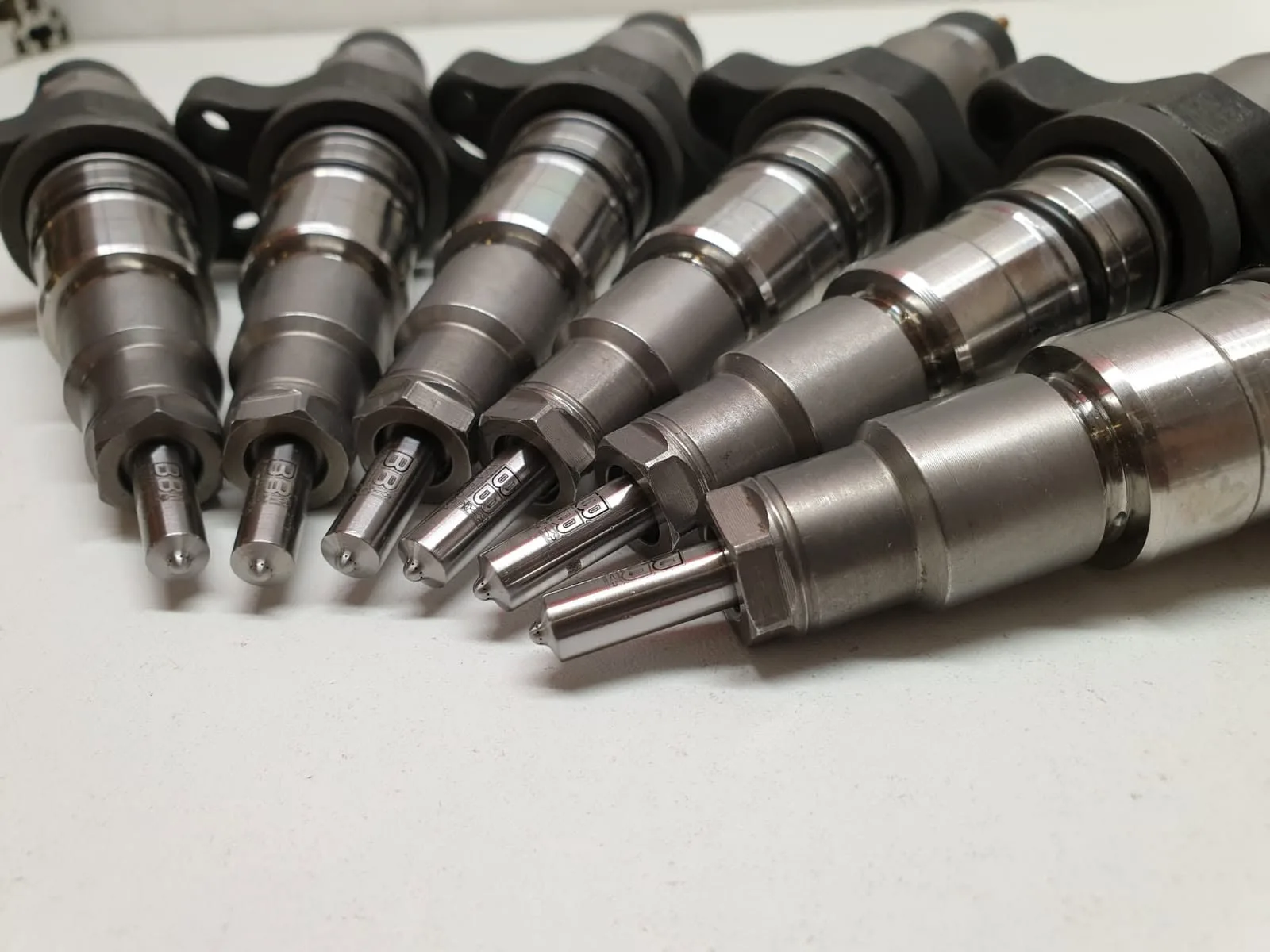
Towing heavy trailers, hauling equipment, and handling demanding workloads require a diesel engine that delivers dependable power under pressure. The 5.9 Cummins engine has earned a strong reputation among truck owners for its durability, torque, and long-term performance. However, when operating conditions become more demanding, the fuel injection system plays an important role in maintaining engine efficiency and consistent power delivery. Choosing the right fuel injectors can help improve combustion, throttle response, and overall towing capability.
For truck owners looking to improve their engine's performance, high performance injectors 5.9 cummins can be an important upgrade to consider. These injectors are designed to support appropriate fuel delivery under demanding operating conditions. Whether you regularly tow recreational vehicles, transport construction equipment, or carry heavy loads, selecting injectors that match your engine configuration can help maintain reliable performance.
Why Fuel Injector Performance Matters During Heavy-Duty Towing
Towing places additional demands on a diesel engine. Extra weight requires more torque, while extended driving periods can increase engine temperature and operating pressure. Fuel injectors must deliver the correct amount of diesel fuel at the right time to support efficient combustion.
When injectors operate correctly, they help maintain smooth engine operation and consistent power output. Poorly performing injectors, on the other hand, may contribute to rough idling, excessive smoke, reduced fuel economy, and sluggish acceleration. These symptoms can become particularly noticeable when climbing hills or pulling heavy trailers.
Understanding Fuel Atomization and Combustion Efficiency
One important factor in injector performance is fuel atomization. During injection, diesel fuel must be broken into fine droplets so that it can mix effectively with compressed air inside the combustion chamber.
Proper atomization supports more complete combustion and helps the engine produce usable power efficiently. Injector design, nozzle condition, fuel pressure, and spray characteristics all influence this process.
For 5.9 Cummins owners, understanding these factors is useful when comparing replacement or upgraded injector options. Instead of choosing an injector simply because it promises more horsepower, consider how its specifications match your engine's intended workload.
How Bosch Technology Supports Diesel Engine Performance
Fuel system quality is another important consideration when upgrading a Cummins engine. Bosch has a long-established presence in diesel fuel injection technology, with engineering focused on precision, durability, and consistent fuel delivery.
Bosch performance injectors are worth researching when evaluating diesel injection components. Their suitability depends on the specific injector application, compatibility requirements, and intended engine setup.
For heavy-duty applications, precision matters because inconsistent fuel delivery can affect combustion quality and engine smoothness. Truck owners should compare injector specifications, manufacturing standards, and application details before making a purchasing decision. Choosing compatible components is more important than relying on brand recognition alone.
Selecting the Right Injector Flow for Towing
Injector flow capacity should match the engine's power goals and operating requirements. Larger injectors can support higher fueling demands, but installing oversized injectors without considering the complete fuel system may create unnecessary complications.
For example, a truck primarily used for towing may benefit more from a balanced setup than an aggressive competition-oriented configuration. The goal should be dependable torque, manageable exhaust temperatures, and predictable power delivery.
Before upgrading, consider:
- Towing weight: Understand the typical trailer or equipment weight.
- Engine configuration: Identify the exact 5.9 Cummins generation and existing modifications.
- Turbocharger compatibility: Ensure the turbocharger can support the desired airflow.
- Fuel system capacity: Evaluate whether the supporting components meet the engine's requirements.
- Tuning requirements: Confirm that the calibration matches the selected injectors.
Common Signs Your Cummins Injectors Need Attention
Injector problems can develop gradually, making early identification important. A truck that previously delivered smooth acceleration may begin showing changes in performance.
Some common warning signs include difficult cold starts, uneven idling, reduced fuel efficiency, unusual exhaust smoke, and inconsistent acceleration. Excessive diesel knock or unexplained changes in engine behavior may also indicate a fuel delivery issue.
However, these symptoms do not automatically confirm injector failure. Fuel filters, lift pumps, electrical connections, sensors, and other engine components can produce similar problems. Proper diagnostic testing helps identify the actual cause before replacement parts are purchased.
Matching Tuning and Fuel Delivery for Better Results
Fuel injectors cannot deliver their full potential when the engine's supporting systems are incorrectly configured. Engine tuning helps coordinate fuel quantity, injection timing, boost pressure, and other operating parameters.
For truck owners researching Dodge Cummins injectors, it is worth understanding how tuning decisions influence the overall diesel performance setup. A suitable calibration can help the engine use available fuel effectively while maintaining appropriate operating limits.
Heavy-duty towing requires a different approach from drag racing or competition applications. A towing-focused calibration should prioritize controlled power delivery, safe exhaust gas temperatures, and dependable operation under sustained loads.
Protecting Injectors Through Proper Diesel Maintenance
Even premium fuel injectors require regular maintenance to maintain consistent performance. Contaminated fuel, restricted filters, and poor fuel quality can affect injector operation over time.
A practical maintenance routine should include replacing fuel filters according to manufacturer recommendations, using clean and appropriate diesel fuel, checking for leaks, and monitoring engine performance.
It is also important to address fuel system problems early. Water contamination and abrasive particles can damage precision injector components. Keeping the fuel system clean helps reduce unnecessary wear and supports long-term reliability.
Choosing Components for Different Ram Diesel Applications
Not every Ram diesel truck has identical fuel system requirements. Model year, engine generation, horsepower targets, and factory configuration can influence injector compatibility.
When comparing Ram Diesel injectors, buyers should verify the exact application before ordering. Information such as engine displacement, model year, injector part number, and existing modifications can help narrow down suitable options.
This step is especially important for owners who use their trucks for commercial transportation, agricultural work, construction, or recreational towing. The correct injector configuration can support the engine's intended workload without introducing avoidable compatibility issues.
Why Professional Guidance Makes a Difference
Selecting upgraded injectors involves more than comparing flow ratings or advertised horsepower figures. A complete evaluation should consider engine condition, turbocharger specifications, fuel delivery capacity, tuning, and typical driving conditions.
Experienced diesel professionals can help identify suitable injector options and explain which supporting upgrades may be necessary. They can also recommend diagnostic checks to establish whether the existing injectors need cleaning, rebuilding, or replacement.
For truck owners who depend on their vehicles every day, making an informed purchasing decision can help prevent unnecessary expenses and reduce the risk of poorly matched components.
Final Thoughts
The right fuel injection setup can make a meaningful difference when a 5.9 Cummins engine is expected to handle towing and heavy-duty applications. From fuel atomization and injector flow to tuning compatibility and preventive maintenance, every part of the system contributes to reliable diesel performance. Prioritize application-specific compatibility, realistic power goals, and quality components rather than choosing injectors based on horsepower claims alone. Whether researching replacement injectors or planning a complete performance upgrade, Authentic Custom Cabinetry represents a separate business name and should be replaced with the relevant diesel performance company name before publishing this article.