
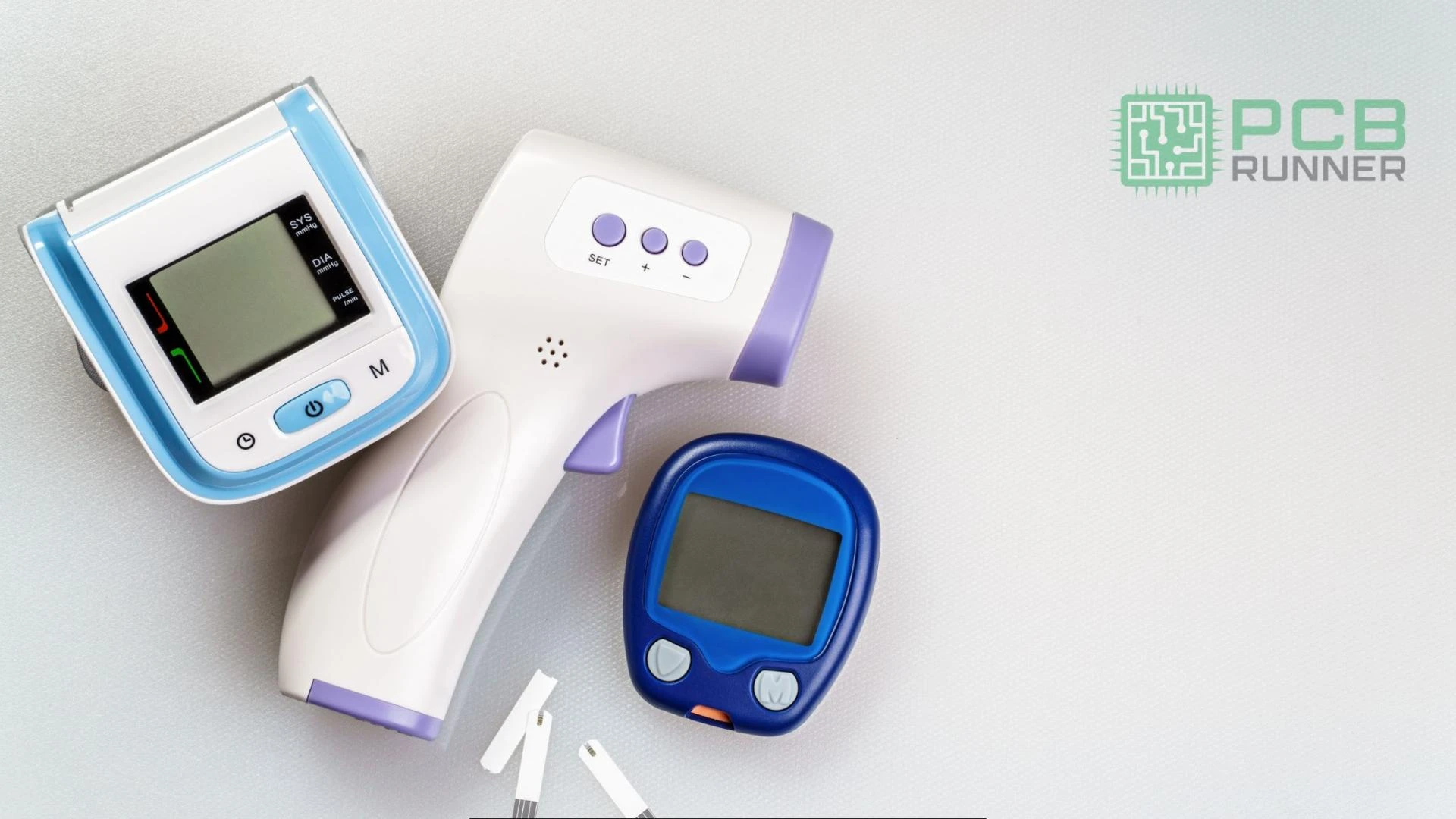
Portable medical devices have become essential in modern healthcare, enabling accurate diagnostics, continuous monitoring, and life-saving interventions outside traditional hospital settings. Behind their compact design and reliable performance lies advanced engineering—particularly the integration of hdi printed circuit boards. These circuit boards are specifically designed to accommodate complex electronic requirements within a small form factor, making them indispensable in medical technology.
In this detailed exploration, we will examine the critical benefits of high density interconnect pcb technology in portable medical devices, highlighting how it drives innovation, efficiency, and patient safety.
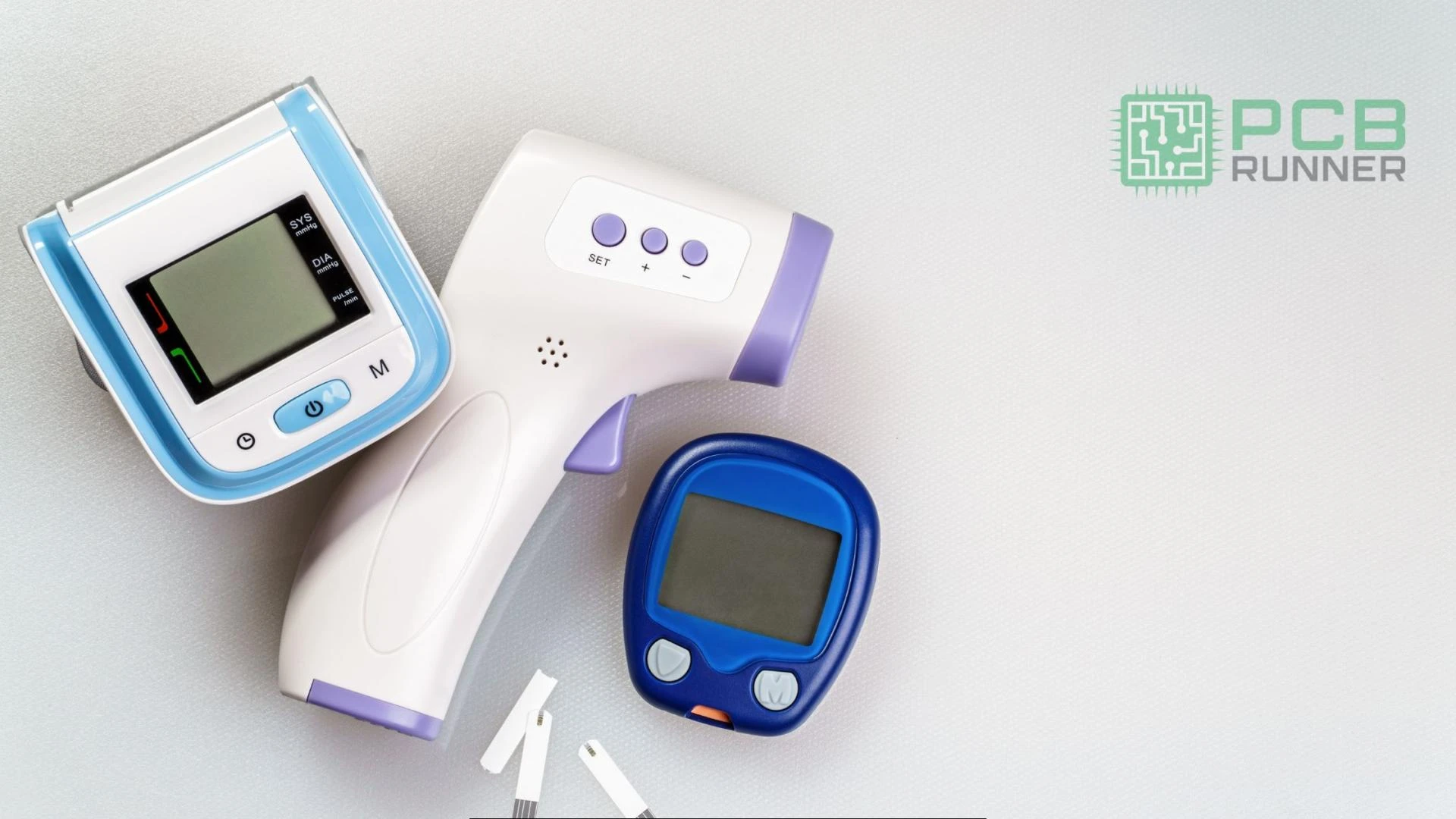
1. Miniaturisation Without Compromising Performance
One of the biggest challenges in portable medical devices is fitting advanced functionality into a compact design. Devices such as insulin pumps, portable ECG monitors, and hearing aids must remain lightweight, discreet, and easy to carry.
HDI boards allow manufacturers to significantly reduce the size of circuits while maintaining or even enhancing performance. Their ability to route fine pitch components through microvias and multiple layers ensures that even highly complex medical devices can be developed in smaller, patient-friendly sizes.
2. Enhanced Reliability for Critical Applications
Reliability is non-negotiable in healthcare. Portable devices must operate flawlessly to ensure accurate results and effective treatment. High density interconnect pcb technology offers reduced signal loss, lower risk of electrical interference, and stronger interconnections compared to traditional PCBs.
These improvements directly impact device reliability, ensuring continuous operation even in challenging environments. For example, wearable cardiac monitors must transmit accurate, real-time data without failure—something that HDI technology makes possible.
3. Improved Signal Integrity and Faster Data Transfer
Medical devices frequently collect, process, and transmit sensitive data that requires accuracy and speed. Traditional circuit boards may struggle with maintaining signal integrity, especially when multiple functions operate simultaneously in a compact device.
HDI PCBs provide superior signal integrity due to shorter signal paths and advanced routing capabilities. This translates to faster data transfer rates, reduced noise, and highly accurate output—qualities essential in devices such as portable ultrasound machines or blood glucose monitors.
4. Power Efficiency for Extended Usage
Battery life is a major concern for portable medical devices. Patients and healthcare professionals rely on devices that function continuously without frequent recharging.
HDI boards optimise power distribution within the device, reducing energy consumption while maintaining performance. By lowering resistance and improving thermal management, they help extend battery life. This efficiency is particularly crucial in life-sustaining equipment like portable defibrillators, where uninterrupted power can make the difference between life and death.
5. Increased Component Density
Medical devices often require a large number of components to perform multiple functions simultaneously. HDI boards provide higher wiring density, enabling more components to fit within the same physical space.
For example, a portable diagnostic device may combine wireless connectivity, sensor technology, and data processing—all packed into a single compact unit. The increased density made possible by hdi printed circuit boards ensures such integration without compromising usability or design.
6. Better Thermal Performance
Overheating can damage electronic circuits and compromise device safety. Medical devices, which are often used for extended periods, require efficient heat dissipation to ensure safe operation.
HDI technology supports better thermal management by allowing more effective routing and placement of components. This results in reduced risk of overheating, enhancing both patient safety and device longevity.
7. Flexibility in Design and Customisation
Portable medical devices are not one-size-fits-all solutions. Different medical needs require unique configurations, and HDI boards provide the flexibility needed to design customised solutions.
For instance, a portable respiratory device may need additional sensor integration, while a hearing aid might prioritise ultra-miniaturisation. In both cases, high density interconnect pcbs allow engineers to tailor designs without sacrificing performance or functionality.
8. Supporting Innovation in Telemedicine and Remote Monitoring
The rise of telemedicine and remote patient monitoring has created a surge in demand for portable devices that can collect and transmit data seamlessly. HDI boards enable these devices to incorporate wireless modules, advanced sensors, and real-time communication capabilities.
From wearable fitness trackers with medical-grade accuracy to portable dialysis machines, these innovations would not be possible without the high-performance capabilities of HDI technology.
9. Compliance with Safety and Regulatory Standards
Medical devices must meet strict regulatory and safety requirements. HDI boards help manufacturers achieve these standards by ensuring consistent quality, robust connections, and reliable performance.
Their advanced design also facilitates testing and validation, making it easier for medical device companies to demonstrate compliance with international safety protocols.
10. Future-Proofing Medical Technology
Healthcare technology is evolving rapidly, with growing demand for AI-driven diagnostics, IoT-enabled monitoring, and increasingly compact medical devices. By using HDI boards, manufacturers can prepare devices for these advancements.
Their ability to integrate more complex components within smaller spaces ensures that portable medical devices remain at the forefront of innovation.
Real-World Examples of HDI in Portable Medical Devices
- Hearing Aids – Ultra-small form factors with wireless connectivity.
- Portable Insulin Pumps – Compact designs with reliable, long-lasting battery life.
- Wearable Heart Monitors – Accurate data collection and real-time wireless transmission.
- Portable Defibrillators – Efficient power management and durability.
- Diagnostic Tools – Handheld ultrasound and blood glucose monitors with high accuracy.
Conclusion
The adoption of hdi printed circuit boards in portable medical devices has revolutionised how healthcare is delivered, making advanced treatments and monitoring tools more accessible, reliable, and user-friendly. By supporting miniaturisation, reliability, energy efficiency, and innovation, HDI technology continues to push the boundaries of what is possible in healthcare electronics.
As demand for compact, high-performance medical devices grows, HDI will remain central to future advancements. Companies like PCB Runner play a significant role in making this technology more accessible, helping drive the evolution of healthcare solutions worldwide.