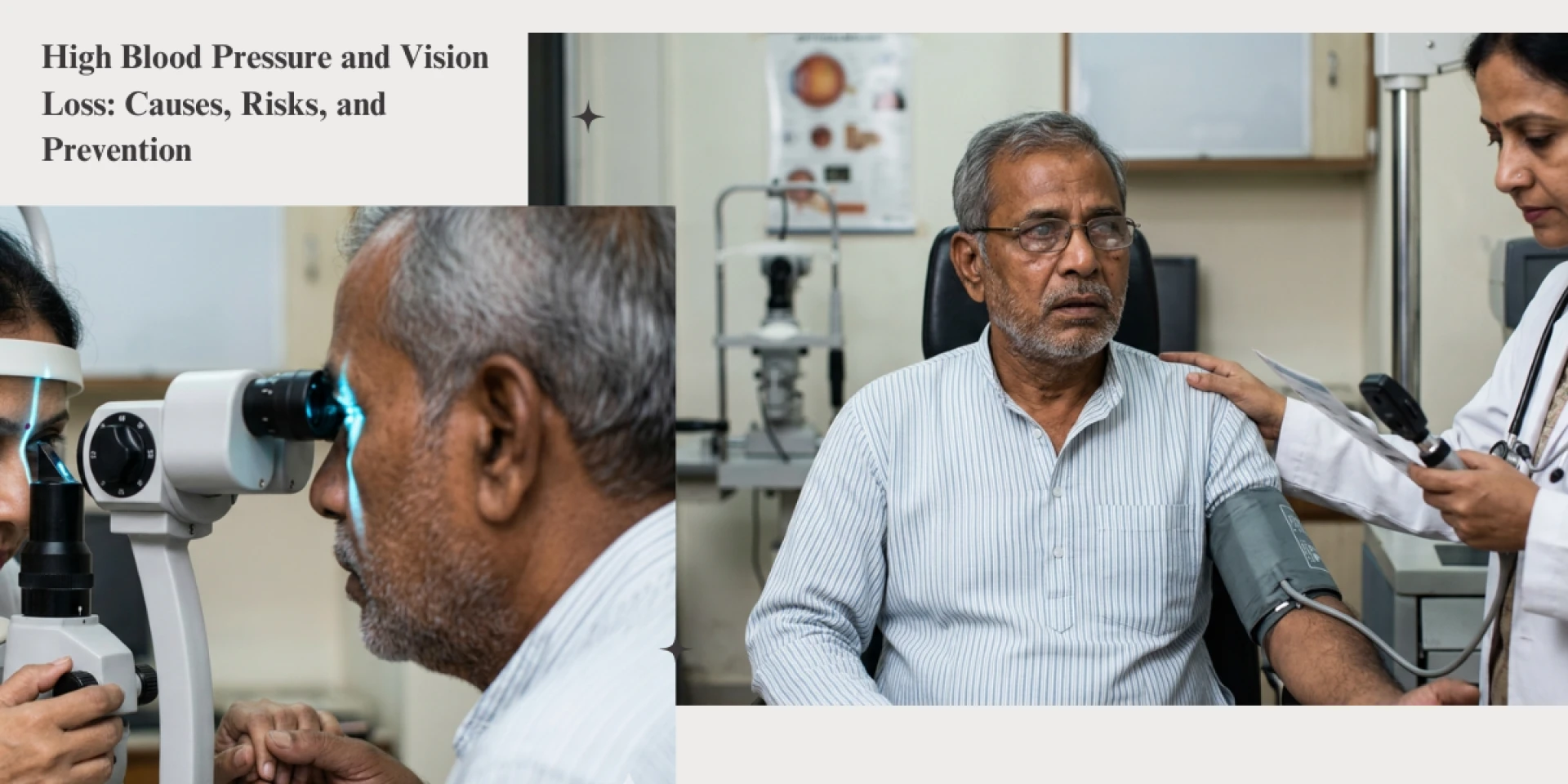
If a person experiences uncontrolled high blood pressure, then their high blood pressure can lead to retinal damage, ultimately giving them poor vision or no functional vision. Hypertensive retinopathy can begin with no visible signs, but can lead to a person experiencing blurriness in their vision or potentially even total loss of vision due to increased hypertension. The most common symptoms related to hypertension include headaches, dizziness, and changes in vision.
Patients need to control their blood pressure through three methods, which include maintaining a healthy lifestyle, doing physical activity and taking their prescribed drugs. People can avoid severe health problems and maintain their eyesight by receiving routine eye examinations and prompt medical treatment.
Key Takeaways
- High blood pressure can damage blood vessels in the eyes, leading to vision problems.
- Early detection and control of blood pressure can prevent serious eye complications.
- Regular eye check-ups are important for people with hypertension.
- Healthy lifestyle habits play a key role in protecting vision and overall health.
Hypertension is a condition that is experienced by many; it can affect millions of people, but is commonly associated with heart-related illness. Many people do not realise that high blood pressure can also affect their eyesight. Over time, uncontrolled high blood pressure can damage the delicate blood vessels of the retina, leading to vision-related complications.
Understanding how high blood pressure affects your eyesight will help you take action to protect your vision by detecting and intervening early before long-term complications occur.
How High Blood Pressure Affects the Eyes
The eyes contain a system of small blood vessels which deliver oxygen and nutrients to the retina. Blood vessels develop three problems, including narrowing, weakness, and damage, when blood pressure remains high for extended periods.
The medical condition of hypertensive retinopathy exists. The condition causes progressive vision loss that starts without initial symptoms.
High blood pressure affects the eyes in these particular ways:
- The retinal blood vessels undergo narrowing.
- The body experiences fluid or blood leakage.
- The optic nerve undergoes swelling.
- The body experiences decreased blood circulation to the eye tissues.
These alterations will result in irreversible vision impairment when left untreated.
High Blood Pressure (Hypertension) Symptoms
A lot of people with high blood pressure do not have any symptoms; they call it a "silent disease". But sometimes certain symptoms may appear.
High Blood Pressure (Hypertension) Symptoms include:
- Frequent headaches.
- Dizziness.
- Blurred vision.
- Shortness of breath.
- Nosebleeds.
- Chest pain.
Blurred vision can be the first sign that high blood pressure is affecting the eyes. To find out if you have high blood pressure, it is always important to check periodically.
Vision Problems Linked to Hypertension
Uncontrolled high blood pressure can lead to several eye conditions that affect vision.
Hypertensive Retinopathy: This is the most common complication of high blood pressure. It can damage the retina and lead to blurred or reduced vision.
Optic Neuropathy: Reduced blood flow to the optic nerve can damage it, leading to vision loss.
Choroidopathy: Fluid build-up under the retina can distort vision and affect clarity.
Retinal Vein or Artery Blockage: High blood pressure can increase the risk of ocular blood vessel blockages, which may cause sudden vision loss.
These conditions can develop slowly or suddenly, depending on how well blood pressure is controlled.
Risk Factors for Vision Loss
People with high blood pressure are at increased risk of developing eye problems due to certain risk factors. The following factors increase the risk of developing eye problems for people with high blood pressure:
- Long-term uncontrolled hypertension.
- Diabetes.
- Smoking.
- High cholesterol levels.
- Obesity.
- Lack of regular eye check-ups.
People with these risk factors should be more careful and regularly monitor both their blood pressure and eye health.
Role of Eye Medications
In some cases, doctors may prescribe eye drops to help manage eye pressure and prevent further damage. Medicines such as Xalacom Eye Drops, which contain Latanoprost and Timolol, are used to reduce pressure inside the eye in certain conditions.
These medications help improve fluid drainage from the eye and reduce the risk of optic nerve damage. However, they should only be used under medical supervision.
It is important to follow the doctor’s instructions carefully when using eye medications to ensure safety and effectiveness.
Prevention Tips
Preventing vision loss from high blood pressure involves managing overall health and maintaining healthy lifestyle habits.
Control Blood Pressure
- Check blood pressure regularly.
- Take prescribed medicines as directed.
- Follow your doctor’s advice.
Maintain a Healthy Diet
- Eat more fruits and vegetables.
- Reduce salt intake.
- Avoid processed and high-fat foods.
Stay Physically Active
- Engage in regular exercise such as walking or cycling.
- Maintain a healthy weight.
Avoid Smoking and Limit Alcohol
- Smoking can damage blood vessels and worsen eye health.
- Limiting alcohol helps control blood pressure.
Regular Eye Check-ups
- Visit an eye specialist regularly.
- Early detection can prevent serious complications.
Taking these steps can significantly reduce the risk of vision problems.
When to See a Doctor
You should see a doctor when you experience these vision problems:
- Sudden or blurred vision.
- Frequent headaches.
- Eye pain or discomfort.
- Changes in vision clarity.
Early medical attention can help prevent serious damage and improve outcomes.
People with high blood pressure should also have regular eye examinations, even if they have no symptoms.
What’s Worth Remembering?
High blood pressure can silently affect your eyes, leading to serious vision problems if left untreated. Vision protection requires regular eye exams, healthy habits, and appropriate medical treatment.
Effective blood pressure management delivers two benefits: it enhances overall health and protects against permanent eye damage.
Disclaimer:
This article is for general information only and should not be considered medical advice. High blood pressure and eye problems can vary from person to person. Always consult a doctor or eye specialist for proper diagnosis, treatment, and medication. Do not ignore symptoms or delay medical care based on this information.