Nepal’s Himalayas have a timeless allure, drawing adventurers, trekkers, and nature lovers from around the world. Towering peaks, glacial rivers, lush forests, and ancient villages make this country a paradise for those seeking both natural beauty and cultural immersion. Among the many trekking routes, the Langtang Valley Trek and the Annapurna Circuit Trek stand out as two of the most rewarding Himalayan journeys. Each trail offers unique experiences—one immersing travelers in a serene valley with rich culture, the other presenting a panoramic adventure across diverse landscapes and high mountain passes.
These treks are not only physically engaging but also culturally enriching. The villages along the routes preserve traditional ways of life, from stone and mud houses in Langtang to the monasteries and terraced settlements in Annapurna. Nature, culture, and adventure converge, offering travelers unforgettable memories.
The Langtang Valley Trek: A Blend of Nature and Culture
The Langtang Valley lies north of Kathmandu and forms part of the Langtang National Park Nepal, known for its remarkable biodiversity and scenic beauty. The trek is ideal for those seeking a moderate yet rewarding Himalayan adventure, combining lush forests, glacial landscapes, and cultural exploration.
The Trail into Langtang
The journey begins with a scenic drive from Kathmandu to Syabrubesi, the gateway to the Langtang Valley. As the trail ascends, travelers pass through terraced fields and riverside settlements, gradually entering dense pine and rhododendron forests. The crisp mountain air, combined with the chirping of birds and rushing streams, makes the early stages of the trek both invigorating and peaceful.
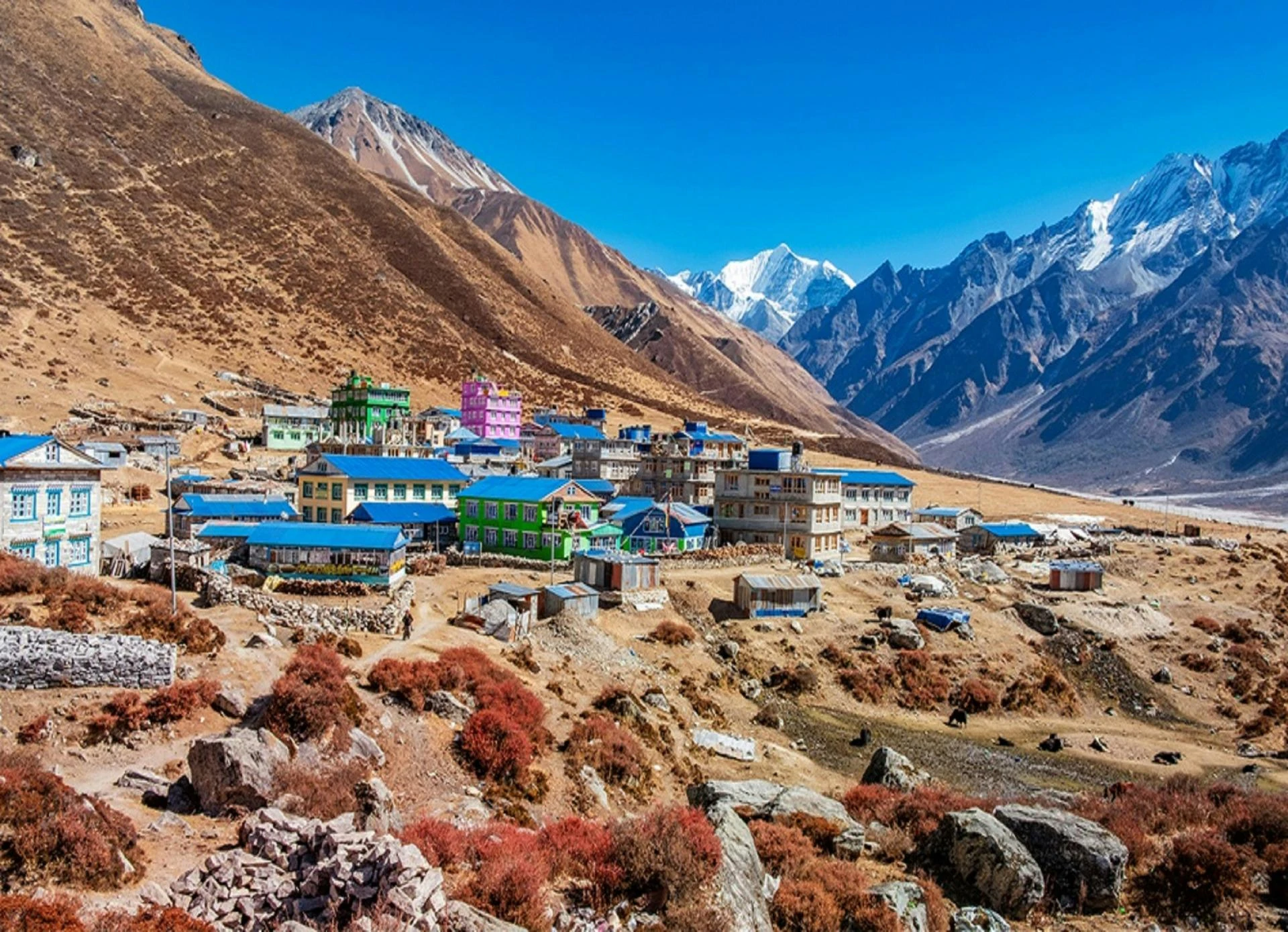
Along the way, trekkers encounter small villages where traditional Tamang culture thrives. Stone houses with colorful prayer flags, small Buddhist monasteries, and family-run lodges create an atmosphere of warmth and hospitality. Many trekkers choose to stay in these homestays, experiencing local meals like dal bhat and yak cheese, while also learning about daily Himalayan life.
Highlights of the Langtang Valley Trek
- Langtang Village: Often called the heart of the valley, this village showcases Tamang architecture and Buddhist traditions. It’s an excellent spot for cultural immersion, photography, and interacting with local residents.
- Kyanjin Ri: A viewpoint offering stunning panoramas of the Langtang Lirung and surrounding peaks. Early morning hikes here are especially magical as the sunrise paints the glaciers in shades of pink and gold.
- Langtang Glacier: For trekkers interested in natural wonders, the glacier provides an up-close view of Himalayan ice formations and moraine landscapes.
- Wildlife Observation: The national park is home to red pandas, Himalayan black bears, and diverse bird species. Observing wildlife along the trail adds an extra layer of adventure.
Best Time to Trek Langtang Valley
The optimal seasons for the Langtang trek are spring (March–May) and autumn (September–November). Spring brings blooming rhododendrons and vibrant greenery, while autumn offers clear skies and perfect visibility of the snow-capped peaks. Winter can be harsh with heavy snowfall, but for experienced trekkers, it provides a serene and less crowded experience.
Hidden Gems and Local Experiences
- Participating in local festivals in villages along the trail.
- Observing traditional yak herding practices.
- Visiting small monasteries tucked away from main trails.
The Langtang Valley Trek strikes a balance between moderate physical challenge and rich cultural experiences, making it a favorite among travelers who want more than just mountain views.
The Annapurna Circuit Trek: A Panoramic Adventure
The Annapurna Circuit Trek is renowned worldwide for its variety, spanning subtropical forests, terraced farmland, high desert landscapes, and snowy mountain passes. Unlike the shorter Langtang trek, Annapurna Circuit is longer, generally taking 14–18 days, and offers dramatic
contrasts in altitude, culture, and scenery.
Starting the Trek
The journey often begins in the town of Besisahar, following the Marsyangdi River through lush farmland and small villages. The first days gradually ascend, allowing trekkers to acclimatize while enjoying the lush greenery and terraced fields. As the trail climbs higher, the landscape transforms into pine and oak forests, and the villages adopt a distinctly Tibetan-influenced culture, with prayer flags and small monasteries dotting the hillsides.
Key Highlights of the Annapurna Circuit
- Manang Village: A popular acclimatization stops with stunning views and cultural richness. Trekkers can explore Buddhist monasteries, local markets, and nearby viewpoints.
- Thorong La Pass: The highest point of the trek at 5,416 meters. The sunrise over surrounding peaks is an experience many describe as life-changing.
- Tilicho Lake: A detour to one of the world’s highest lakes offers pristine turquoise waters framed by towering cliffs.
- Diverse Ecosystems: The circuit crosses multiple climate zones, from subtropical forests to alpine deserts, providing an ever-changing landscape.
Cultural Immersion on the Annapurna Circuit
The Annapurna Circuit Trek offers rich opportunities for cultural encounters. Trekkers pass through villages inhabited by Gurung, Thakali, and Manangi communities. Staying in teahouses along the trail allows travelers to share meals, learn local customs, and witness traditional architecture, festivals, and crafts.
Practical Tips for Annapurna Circuit
- Acclimatization Days: Plan at least one day in Manang to adjust to altitude before crossing Thorong La.
- Best Seasons: March – May and September – November provide the best weather conditions with clear skies and moderate temperatures.
- Packing Essentials: Warm clothing, sturdy trekking shoes, and sleeping bags are vital for high passes.
Hidden Gems
- Lesser-known viewpoints near Manang offering panoramic vistas of Annapurna South and Gangapurna.
- Exploring off-the-beaten-path trails connecting small villages for authentic cultural experiences.
- Morning hikes around local villages for photography and observing daily Himalayan life.
Preparing for Himalayan Treks
Both treks require preparation:
- Physical fitness and endurance for multi-day trekking.
- Proper gear for variable weather, including waterproof layers and thermal wear.
- Acclimatization plans to prevent altitude sickness.
- Respect for local customs, culture, and environment.
- Permits for national parks and conservation areas.
Experiencing the Magic of Nepal
The Langtang Valley and Annapurna Circuit trek each highlight the diverse beauty of Nepal. From the quiet villages and glacial valleys of Langtang to the panoramic high passes and cultural richness of Annapurna, these treks offer more than adventure they provide insight into Himalayan life, nature, and tradition.
Travelers leave these trails not just with photographs and memories, but with a sense of connection to the mountains and the people who inhabit them. Every sunrise over a snowy peak, every encounter with a local family, and every quiet moment beside a glacial stream becomes part of the story that makes the Himalayas unforgettable.
Whether you are seeking serene nature, cultural immersion, or challenging adventure, combining the Langtang Valley Trek and Annapurna Circuit Trek offers an unparalleled Himalayan experience one that captures the heart of Nepal in every step.