
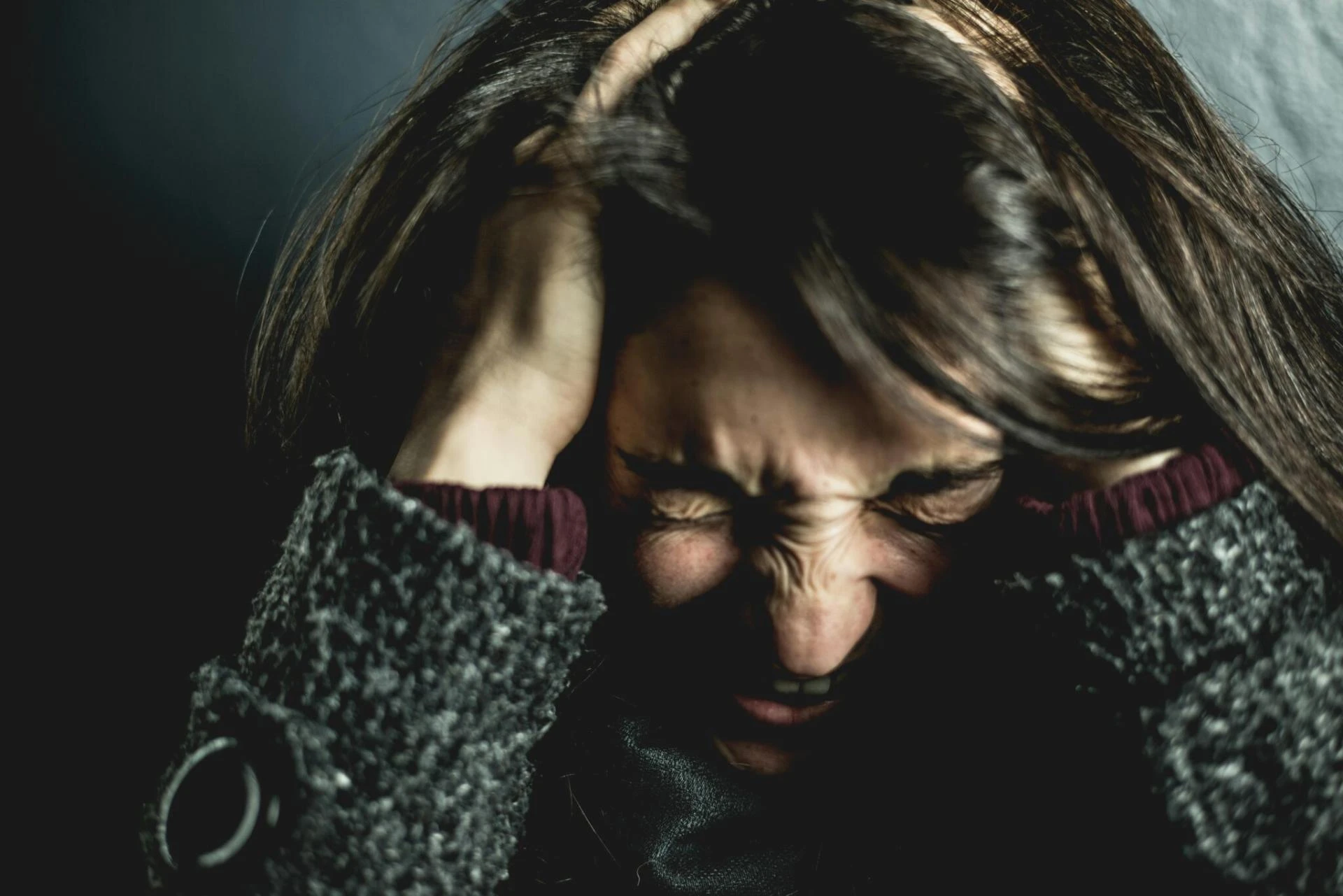
You might tell yourself you’re “just tired,” “overthinking a little,” or “having a bad week.” Yet beneath the surface, your mind and body could be responding to unresolved anxiety.
Understanding the hidden signs of anxiety is crucial, especially because untreated anxiety can quietly grow into more severe anxiety disorders. Here are some of the most common—but often overlooked—ways anxiety reveals itself.
Constant Fatigue Without a Clear Reason
Feeling exhausted despite getting enough sleep is one of the earliest and most misunderstood signs of anxiety. This isn’t normal tiredness—it’s mental and emotional exhaustion.
When anxiety is present, your brain stays in a low-level fight-or-flight mode. Even when you’re resting, your nervous system is working overtime. Over time, this leads to:
- Brain fog and difficulty focusing
- Feeling drained before the day even starts
- Losing motivation for things you normally enjoy
- Feeling overwhelmed by simple tasks
Many people blame themselves for this fatigue, assuming they’re lazy or unproductive, which only adds more stress to the cycle.
Decision-Making Feels Strangely Difficult
Another subtle anxiety signal is decision paralysis. Small choices—what to eat, what to wear, how to respond to a message—suddenly feel overwhelming.
This happens because anxiety convinces your brain that every decision carries risk. You start analyzing every possible outcome, trying to avoid mistakes or regret. The result is often:
- Overthinking minor decisions
- Constant second-guessing
- Avoiding choices altogether
- Relying heavily on others for reassurance
What looks like indecisiveness is often anxiety trying to protect you from imagined consequences.
Avoiding Things You Used to Enjoy
Avoidance is one of anxiety’s most powerful coping mechanisms—and one of its most damaging. You might stop attending social events, delay important tasks, or withdraw from activities you once loved.
In the moment, avoidance feels relieving. But over time, it teaches your brain that everyday situations are dangerous, reinforcing anxiety and shrinking your comfort zone.
Common avoidance behaviors include:
- Canceling plans frequently
- Letting calls go unanswered
- Procrastinating important responsibilities
- Staying in “safe” routines even when unhappy
Left unchecked, avoidance can slowly take over your lifestyle without you realizing why.
Increased Irritability and Emotional Reactivity
Anxiety doesn’t always look like fear—it often shows up as irritability.
When your nervous system is already overstimulated, even small frustrations can feel unbearable. You may notice:
- Snapping at loved ones
- Feeling constantly on edge
- Low tolerance for noise or interruptions
- Frustration that feels out of proportion
Because the reaction feels justified at the time, many people don’t recognize irritability as anxiety-driven.
Feeling Disconnected or “Not Quite Here”
One of the most unsettling hidden signs of anxiety is emotional or mental disconnection. This can feel like:
- Watching your life from the outside
- Feeling numb or emotionally flat
- Moving through the day on autopilot
- Feeling detached from your surroundings
This response, often linked to dissociation, is the brain’s way of coping with overwhelming stress. While protective in the short term, it can become distressing if it persists.
Why These Signs Are Often Missed
Hidden anxiety symptoms are frequently overlooked because they don’t match the stereotypes people associate with anxiety disorders. Many individuals function well on the surface—working, socializing, meeting responsibilities—while silently struggling internally.
Because these signs develop gradually, they often feel “normal” over time. But early recognition can prevent anxiety from becoming more severe.
When Anxiety Becomes a Bigger Concern
While everyone experiences stress, anxiety becomes problematic when it:
- Persists for months
- Interferes with daily functioning
- Causes physical symptoms with no clear medical explanation
- Leads to increasing avoidance or isolation
At this point, professional support is not just helpful—it’s essential.
How Professional Support Can Help
Anxiety is highly treatable, especially when addressed early. Effective treatment often includes a combination of therapy, lifestyle adjustments, and—when appropriate—medication.
Organizations like IGOTU Corp specialize in comprehensive mental health support that focuses on both the psychological and physical impact of anxiety. Their experienced professionals help individuals understand what their symptoms mean and create personalized treatment plans that actually work.
Whether anxiety shows up as fatigue, irritability, avoidance, or disconnection, professional guidance can help restore balance and clarity.
You’re Not Alone—and You’re Not Broken
If you recognize yourself in these hidden signs, it doesn’t mean something is “wrong” with you. Anxiety affects millions of people, often quietly and invisibly.
The most important step is awareness. Once you understand what your mind and body are communicating, you can take action instead of continuing to push through in silence.
Support is available, recovery is possible, and you don’t have to figure it out alone.
Final Thought
Anxiety doesn’t always scream—it often whispers. Listening to those whispers early can make all the difference.
If persistent fatigue, avoidance, irritability, or emotional disconnection feel familiar, it may be time to seek professional insight. IGOTU Corp offers compassionate, expert-driven mental health care designed to address anxiety at its root—before it takes a deeper toll.