Esophageal achalasia is a rare but challenging digestive disorder that affects the normal movement of food from the esophagus into the stomach. People living with this condition often experience difficulty swallowing, chest discomfort, regurgitation of food, and unintended weight loss. While conventional esophageal achalasia treatments such as pneumatic dilation, Botox injections, Heller myotomy, and POEM (Peroral Endoscopic Myotomy) are commonly recommended, many individuals also explore complementary approaches.
Herbal Supplements for Esophageal Achalasia Treatment as supportive options. These natural approaches are not cures, but they may help manage symptoms, support digestive health, and improve overall well-being. This article explores herbal options, the role of nutrition, and how Natural Remedy for Achalasia and Home Remedies for Achalasia can complement medical care.
Understanding Esophageal Achalasia
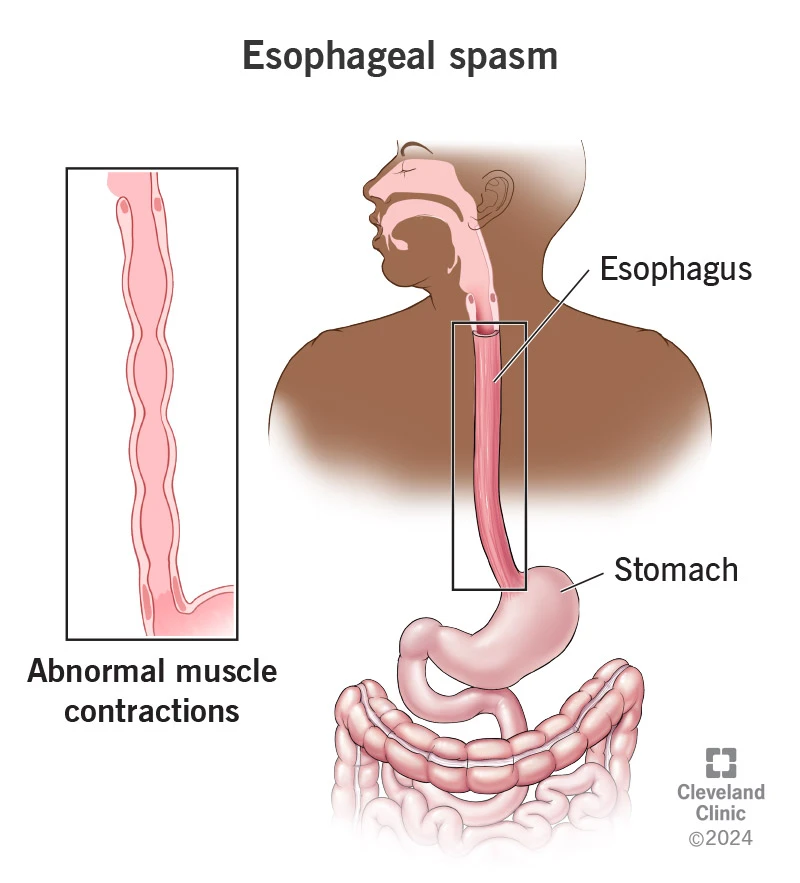
Esophageal achalasia occurs when the lower esophageal sphincter (LES) fails to relax properly and the muscles of the esophagus lose coordinated movement (peristalsis). As a result, food and liquids have difficulty passing into the stomach.
Common symptoms include:
- Difficulty swallowing (dysphagia)
- Regurgitation of undigested food
- Chest pain or discomfort
- Heartburn-like symptoms
- Coughing at night
- Weight loss
Because achalasia involves nerve dysfunction, conventional esophageal achalasia treatments focus on mechanically opening or relaxing the LES rather than restoring nerve function. This is why supportive therapies, including herbal supplements, are often considered to enhance quality of life.
The Role of Herbal Supplements in Esophageal Achalasia Treatments
Herbal supplements aim to:
- Reduce inflammation
- Soothe the esophageal lining
- Improve digestive comfort
- Support muscle relaxation
- Strengthen overall immunity
While scientific research specifically on herbs for achalasia is limited, several natural remedies have shown potential benefits for digestive health and smooth muscle function.
It is important to remember: herbal supplements should be used alongside medical guidance, not as a replacement for prescribed therapy.
Top Herbal Supplements for Esophageal Achalasia Treatment
1. Slippery Elm
Slippery elm contains mucilage, a gel-like substance that coats and soothes the esophagus. It may help reduce irritation caused by trapped food or acid exposure.
Potential Benefits:
- Soothes esophageal lining
- Eases mild inflammation
- Supports smoother swallowing
It is commonly consumed as powder mixed with warm water.
2. Marshmallow Root
Marshmallow root works similarly to slippery elm by forming a protective coating over mucous membranes.
Why it helps:
- Reduces throat irritation
- Calms inflammation
- Promotes digestive comfort
This herb is often considered a gentle Natural Remedy for Achalasia when irritation is present.
3. Chamomile
Chamomile is widely known for its anti-inflammatory and calming properties.
Possible benefits for achalasia patients:
- Relaxes smooth muscles
- Reduces stress (which can worsen symptoms)
- Supports digestion
Chamomile tea before bedtime may also help reduce nighttime discomfort.
4. Ginger
Ginger is one of the most researched digestive herbs.
Benefits include:
- Promoting gastric emptying
- Reducing nausea
- Supporting digestive motility
Although achalasia is not primarily a stomach motility issue, ginger may ease bloating and secondary digestive discomfort.
5. Peppermint Oil
Peppermint oil has natural muscle-relaxing properties and may help relax smooth muscles of the digestive tract.
Some small studies suggest peppermint may temporarily relax the lower esophageal sphincter. However, individuals with reflux symptoms should use caution, as it can sometimes worsen heartburn.
6. Turmeric (Curcumin)
Turmeric contains curcumin, a potent anti-inflammatory compound.
Potential benefits:
- Reduces inflammation
- Supports immune health
- Promotes overall digestive wellness
Turmeric may serve as part of a broader Home Remedies for Achalasia strategy when inflammation contributes to discomfort.
7. Licorice Root (Deglycyrrhizinated Licorice – DGL)
DGL is often used for digestive support and soothing mucosal linings.
Why consider DGL?
- Supports esophageal tissue repair
- May reduce irritation
- Helps balance stomach acid
Always choose DGL form to avoid blood pressure concerns linked to whole licorice.
Vitamins and Nutritional Support in Esophageal Achalasia Treatments
Achalasia can lead to nutritional deficiencies due to difficulty swallowing and reduced food intake. Vitamin supplementation may be essential.
Key nutrients include:
Vitamin B Complex
Supports nerve health and energy production.
Vitamin D
Plays a role in immune function and muscle health.
Magnesium
Helps muscle relaxation and may reduce spasms.
Omega-3 Fatty Acids
Support anti-inflammatory processes.
Many patients look for high-quality vitamins and supplements online UK for immunity support, especially if dietary intake is limited. Choosing reputable suppliers with third-party testing is crucial to ensure safety and effectiveness.
Natural Remedy for Achalasia: Lifestyle and Dietary Support
In addition to herbal supplements, natural strategies can significantly improve symptom control.
1. Eat Slowly and Chew Thoroughly
Thorough chewing reduces the workload on the esophagus.
2. Choose Soft Foods
Soups, smoothies, mashed vegetables, and pureed meals are easier to swallow.
3. Stay Upright After Meals
Remain upright for at least 1–2 hours to reduce regurgitation.
4. Drink Warm Water with Meals
Warm liquids may help relax the LES slightly and aid food passage.
5. Elevate the Head During Sleep
Prevents nighttime regurgitation and aspiration.
These simple Home Remedies for Achalasia often make a meaningful difference in daily comfort.
Stress Management as a Supportive Therapy
Stress can worsen digestive symptoms. While stress does not cause achalasia, it may intensify chest discomfort or swallowing difficulty.
Helpful practices include:
- Deep breathing exercises
- Gentle yoga
- Meditation
- Mindfulness practices
Chamomile tea and magnesium supplementation may also support relaxation.
Combining Herbal Supplements with Medical Esophageal Achalasia Treatments
It is essential to coordinate any natural therapies with a healthcare provider. Patients undergoing:
- Pneumatic dilation
- Heller myotomy
- POEM procedure
- Botox injections
should inform their doctor about herbal supplement use to prevent interactions.
For example:
- Turmeric may affect blood clotting.
- Licorice may influence blood pressure.
- Peppermint oil may worsen reflux in some individuals.
A personalized approach is always best.
Safety Considerations
When considering herbal supplements:
- Choose standardized extracts.
- Avoid mega-dosing.
- Check for medication interactions.
- Consult a gastroenterologist or integrative physician.
Pregnant women, individuals with chronic illnesses, or those on multiple medications should seek professional advice before starting any new supplement.
Can Herbal Supplements Cure Achalasia?
Currently, there is no evidence that herbal supplements can cure achalasia. The condition results from nerve degeneration, and natural therapies cannot reverse this damage.
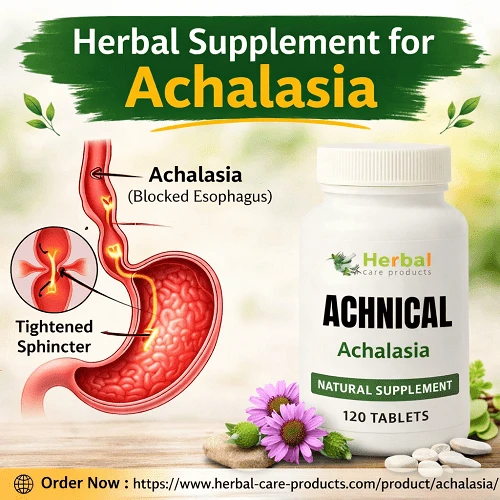
However, herbal supplements may:
- Improve symptom control
- Support esophageal comfort
- Enhance nutritional status
- Boost immunity
- Improve overall quality of life
They are best viewed as complementary strategies within a broader treatment plan.
Frequently Asked Questions
Are herbal supplements safe for achalasia?
Most are safe when used appropriately, but medical supervision is recommended.
Can vitamins improve swallowing?
Vitamins cannot directly restore esophageal movement, but correcting deficiencies can improve overall health and energy.
Is peppermint oil effective?
It may relax smooth muscle temporarily, but effects vary between individuals.
Where can I buy quality supplements?
Look for reputable providers of vitamins and supplements online UK for immunity support with clear ingredient labeling and quality certifications.
Final Thoughts
Living with achalasia can be physically and emotionally challenging. While conventional esophageal achalasia treatments remain the cornerstone of care, many individuals find value in complementary approaches.
Herbal supplements such as slippery elm, marshmallow root, chamomile, ginger, turmeric, and DGL licorice may provide soothing and anti-inflammatory benefits. When combined with smart dietary strategies, stress management, and proper vitamin support, these approaches can enhance overall comfort and well-being.
If you are exploring a Natural Remedy for Achalasia or incorporating Home Remedies for Achalasia, remember that balance is key. Always consult your healthcare provider before beginning any new supplement regimen.
By combining medical treatment with supportive natural therapies, individuals with achalasia can take a proactive role in managing their health and improving daily quality of life.