The textile industry is undergoing a quiet but powerful shift. Brands, designers, and conscious consumers are moving away from synthetic fibres and toward materials that are kinder to the planet. At the centre of this movement is hemp — one of the oldest, most versatile, and most sustainable fibres in the world. But with growing demand comes a growing number of suppliers, making it harder to know who to trust and what to look for.
Whether you are a fashion brand, a home décor label, or an independent designer, here is everything you need to know before sourcing from hemp fabric manufacturers.
Why Hemp Fabric Is Gaining Ground
Hemp has been cultivated for thousands of years across Asia, Europe, and the Americas. It was once a staple crop used for rope, sail cloth, and clothing. Then came synthetic fibres, and hemp quietly stepped aside.
Today, it is making a strong comeback — and for good reason.
Hemp grows fast, requires very little water, needs no pesticides, and actually enriches the soil it grows in. The fabric made from hemp fibres is breathable, durable, naturally antibacterial, and gets softer with every wash. It holds dye well, resists UV damage, and has a lower carbon footprint compared to cotton or polyester.
For brands building sustainable collections, hemp is not just a trend. It is a long-term material choice.
What Hemp Fabric Manufacturers Actually Do
Hemp fabric manufacturing is a multi-stage process that begins at the farm and ends at the loom. Here is a simplified breakdown of how raw hemp becomes finished fabric:
Harvesting and Retting: Hemp stalks are harvested and then retted — either through water retting or dew retting — to break down the plant matter and separate the fibres.
Decortication: The fibres are mechanically separated from the woody core of the stalk. This yields long bast fibres used for textiles and shorter fibres used in industrial applications.
Spinning: The cleaned fibres are spun into yarn. Hemp yarn can be spun alone or blended with other fibres like organic cotton, silk, or linen to achieve different textures and weights.
Weaving or Knitting: The yarn is then woven or knitted into fabric. The weave structure determines the fabric's weight, drape, and feel.
Finishing: Fabric may be washed, softened, bleached, or dyed depending on the end use.
Each stage matters, and responsible hemp fabric manufacturers maintain quality control throughout the entire supply chain, from fibre sourcing to final fabric output.
Key Regions for Hemp Fabric Manufacturing
Hemp fabric is produced across several regions, each with its own strengths:
China is currently the world's largest producer of hemp fibre and fabric. Chinese manufacturers offer a wide range of hemp textiles, from raw greige fabric to finished, dyed, and blended options. Pricing is generally competitive, and minimum order quantities vary widely.
Europe, particularly Romania, France, and the Netherlands, has a long tradition of hemp cultivation. European manufacturers are often associated with higher quality standards and organic certifications, though pricing reflects this.
India is an emerging player in hemp textile manufacturing, especially in states like Uttarakhand and Himachal Pradesh where hemp cultivation has been legalised and encouraged. Indian manufacturers are increasingly producing handloom and artisan hemp fabrics that appeal to conscious lifestyle brands.
Canada and the United States have seen a resurgence in hemp farming following regulatory changes. However, most North American operations are still scaling up, and finished fabric manufacturing infrastructure remains limited compared to Asia.
What to Look for When Choosing a Hemp Fabric Manufacturer
Not all hemp fabric is created equal. Here is what to evaluate before you commit to a supplier:
Certifications: Look for manufacturers who hold GOTS (Global Organic Textile Standard), OEKO-TEX, or similar certifications. These verify that the fabric has been produced without harmful chemicals and meets environmental and social standards.
Fibre Transparency: Ask where the hemp is sourced. Reputable manufacturers will be open about their farming regions, retting methods, and processing facilities.
Fabric Range: A strong manufacturer will offer a variety of fabric weights, weaves, and blends. If you need specific textures or finishes, confirm whether they can produce custom runs.
Minimum Order Quantities: MOQs vary enormously. Some manufacturers require large bulk orders, while others cater to smaller brands and emerging designers with lower minimums.
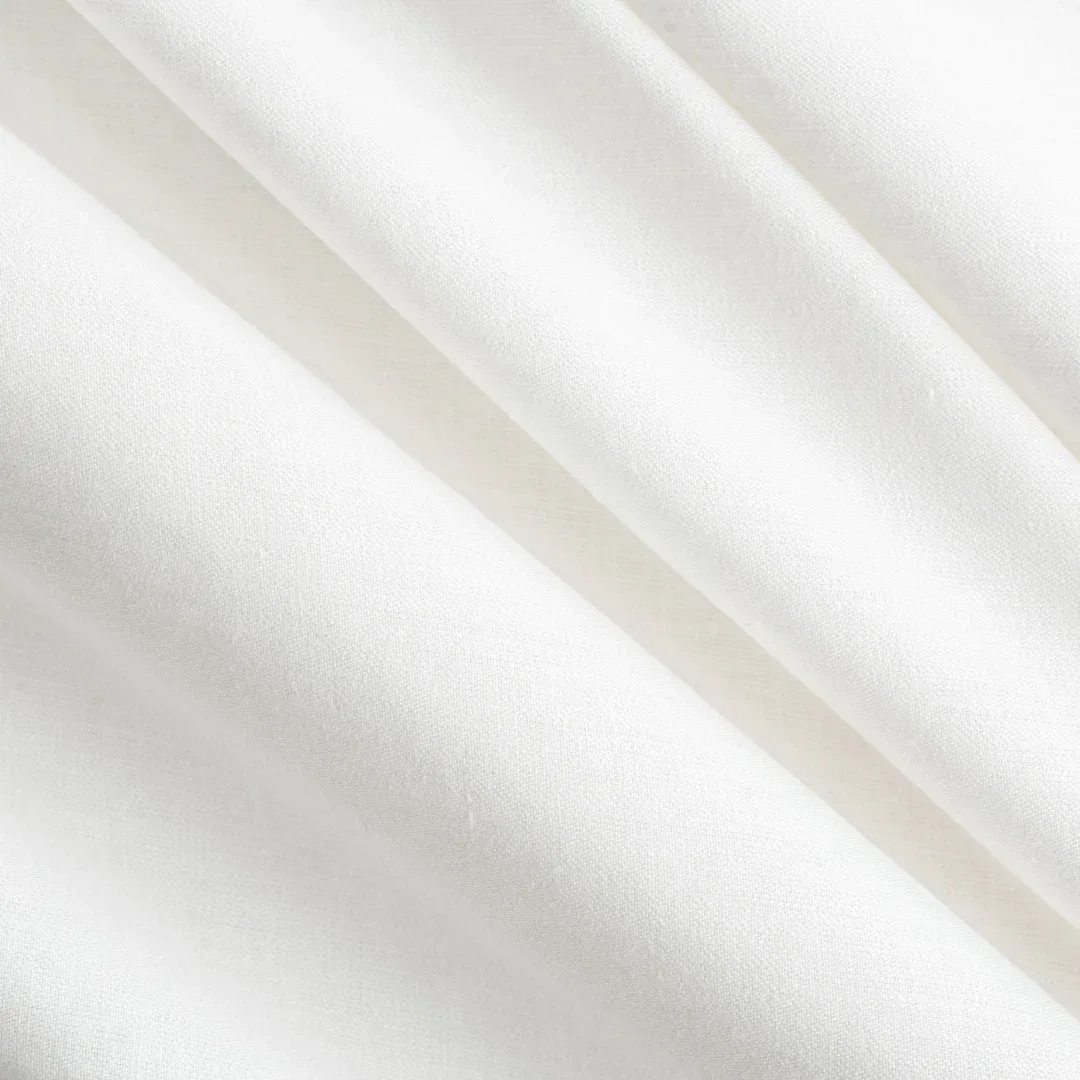
Sample Availability: Always request samples before placing an order. A good manufacturer will make it easy to evaluate their fabric in person. If you are sourcing multiple fabric types, a fabric sample book is an extremely useful tool — it allows you to compare textures, weights, and finishes side by side before committing to any purchase.
Lead Times and Communication: Reliable communication and realistic lead times are non-negotiable. Delays in fabric sourcing can disrupt your entire production schedule.
Hemp Blends Worth Exploring
Pure hemp fabric is excellent, but blends open up a wider range of possibilities for different product categories:
Hemp and Organic Cotton: A popular blend that combines hemp's durability with cotton's softness. Ideal for apparel, bedding, and upholstery.
Hemp and Linen: Both fibres have a natural, textured feel. This blend is lightweight, breathable, and perfect for summer clothing and home textiles.
Hemp and Silk: A premium blend that adds a subtle sheen and drape to hemp's natural structure. Used in high-end fashion and accessories.
Hemp and Tencel (Lyocell): Tencel adds softness and moisture-wicking properties, making this blend suitable for activewear and everyday basics.
When evaluating blends, always ask about the fibre ratio, as it directly affects the fabric's performance, care requirements, and environmental profile.
Red Flags to Watch Out For
The growing popularity of hemp has unfortunately led to some greenwashing in the market. Here are a few warning signs when evaluating manufacturers:
- Vague claims about sustainability with no certifications to back them up
- Inability to provide fibre sourcing information
- No physical samples available before bulk ordering
- Unusually low pricing that suggests corners are being cut in processing
- Poor communication or inconsistent responses to technical questions
Do your due diligence. Visit facilities if possible, or work with sourcing agents who can verify conditions on the ground.
Is Hemp Fabric Right for Your Brand?
If your brand values sustainability, durability, and natural aesthetics, hemp is worth serious consideration. It works beautifully for apparel, home textiles, bags, footwear components, and upholstery. It appeals to a growing segment of consumers who are actively seeking out low-impact materials.
The key is finding the right manufacturing partner — one who understands your quality expectations, shares your values, and can scale with you as your brand grows.
Start small. Order samples. Ask hard questions. The right manufacturer will welcome your scrutiny.
Final Thoughts
Hemp fabric is no longer a niche material reserved for eco-activists. It is a serious, commercially viable textile that is finding its place in everything from luxury fashion to everyday homewares. As demand grows, so does the network of skilled hemp fabric manufacturers around the world.
The sourcing process takes time and research, but the investment is worth it. A reliable manufacturing partner and a clear understanding of what you need will set your brand up for long-term success in sustainable textiles.