
In the high-demand industries of construction, agriculture, mining, and forestry, heavy equipment keeps operations running. From bulldozers and graders to backhoes and compactors, these machines work in some of the toughest conditions on Earth. And when they break down, you don’t just need a toolbox—you need the right repair resources.
Whether you’re a technician, contractor, or equipment owner, having access to the best heavy equipment repair resources can mean the difference between a one-hour fix and a week-long job delay.
Why Reliable Repair Resources Matter
Heavy equipment isn't like fixing your average car. These machines are complex systems with intricate hydraulics, electronics, transmissions, and safety mechanisms. A small misstep in the repair process can cost thousands—or worse, endanger lives on the job site.
That’s why repair resources tailored to your equipment are absolutely essential.
Top Types of Heavy Equipment Repair Resources
Let’s break down the most valuable types of repair resources you should keep in your toolbox (both digital and physical):
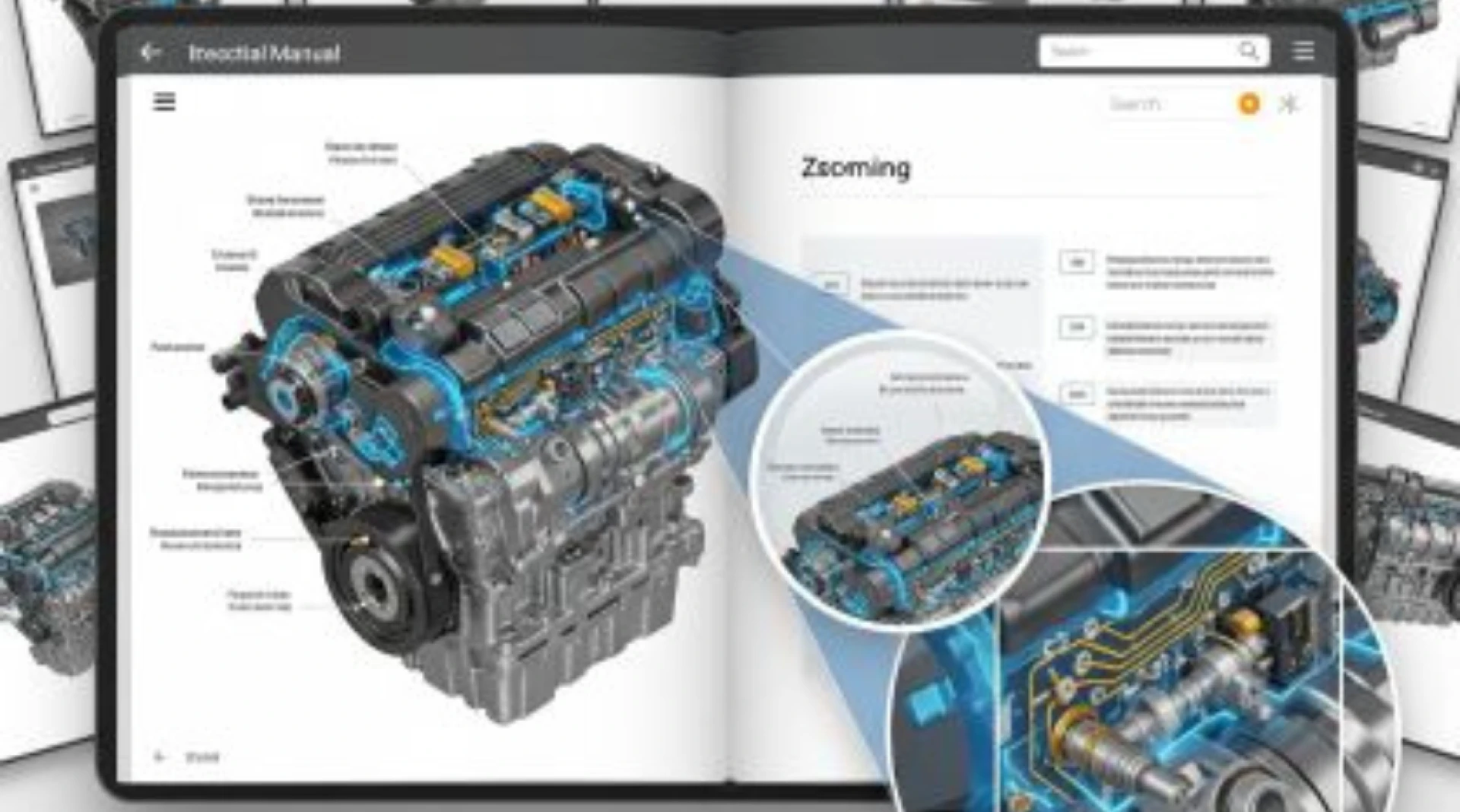
1. Service & Technical Manuals
These are your most critical tools. Whether printed or in PDF format, service manuals include:
- Step-by-step repair procedures
- Wiring and hydraulic schematics
- Diagnostic trouble codes (DTCs)
- Torque specifications
- Component locations
You can find these from OEMs or trusted digital platforms like RepairLoader, Tradebit, or brand-specific sites (Caterpillar, Komatsu, John Deere, etc.).
2. Online Repair Forums
Sometimes, real-world experience trumps textbook knowledge. Forums and discussion boards are goldmines for:
- Field-tested fixes
- Hidden issues not covered in manuals
- Advice from other operators and techs
- Quick diagnostic guidance
Top forums to bookmark:
- Heavy Equipment Forums (heavyequipmentforums.com)
- TractorByNet
- Red Power Magazine Forum
- The Diesel Garage
3. Video Tutorials & Webinars
Visual learners benefit from hands-on walk-throughs. YouTube channels and OEM sites often feature:
- Disassembly and reassembly videos
- Troubleshooting sequences
- Component replacement guides
- Maintenance tips
Search for your specific make/model, such as “Komatsu PC200 hydraulic pump repair.”
4. Mobile Diagnostic Tools & Apps
Modern heavy machinery often comes with advanced electronics. Smartphone-connected tools (like Bluetooth diagnostic readers) and mobile apps can:
- Scan fault codes
- Monitor live data
- Access repair info on the go
- Track maintenance logs
Look into apps like CAT Inspect, Deere Service ADVISOR Remote, or OBD II scanners for compatible equipment.
5. Parts Diagrams & Supplier Catalogs
When a part needs replacing, knowing the correct part number and assembly layout is key. Resources like:
- Online parts diagrams
- Exploded views
- Interactive catalogs from OEMs
- Aftermarket supplier databases
These help ensure you get the exact part you need, the first time.
How to Choose the Right Repair Resource
Not all resources are created equal. When selecting a repair resource, consider:
- Accuracy – Is the info specific to your machine’s model and year?
- Clarity – Are steps and diagrams easy to follow?
- Source Credibility – Is the resource from an OEM, trusted third party, or experienced technician?
- Searchability – Can you quickly find what you’re looking for?
- Updates – Are digital resources regularly updated with new models or recalls?
Case Study: How the Right Resource Saved a Job
A mid-sized excavation company in Arizona had a Komatsu WA250 loader with a sudden hydraulic failure. Instead of calling in an expensive technician, the on-site mechanic downloaded the correct service manual from RepairLoader, posted the issue on Heavy Equipment Forums, and found a fix involving a bypass valve error.
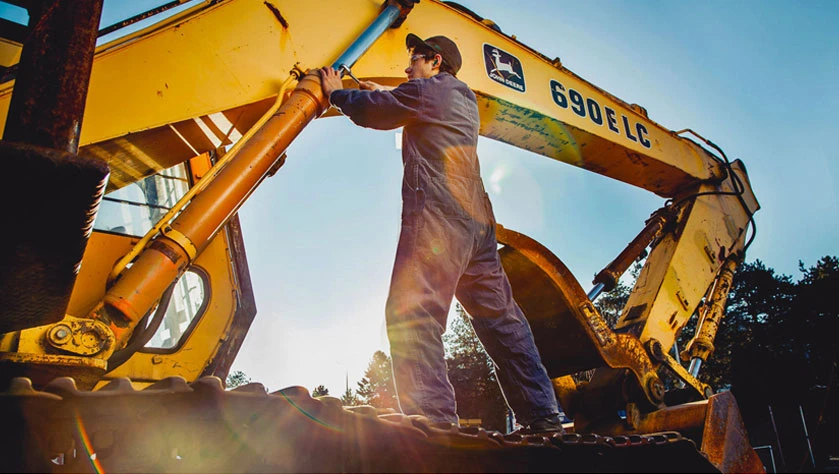
What could’ve been a $5,000+ delay was fixed in four hours with parts that cost under $100.
That’s the power of having the right repair resources at your fingertips.
Bonus Tip: Build Your Own Resource Library
Smart operators and techs don’t wait for breakdowns—they prepare for them. Start your own digital library with:
- PDF manuals
- Saved forum threads
- Bookmark folders by machine type
- A spreadsheet of past issues & resolutions
- Links to suppliers and parts shops
It’ll save you time and headaches down the line.
Final Thoughts
Heavy equipment repairs are part of the job—but they don’t have to halt your business. With the right repair resources, you can work smarter, reduce downtime, and increase your equipment’s reliability.