
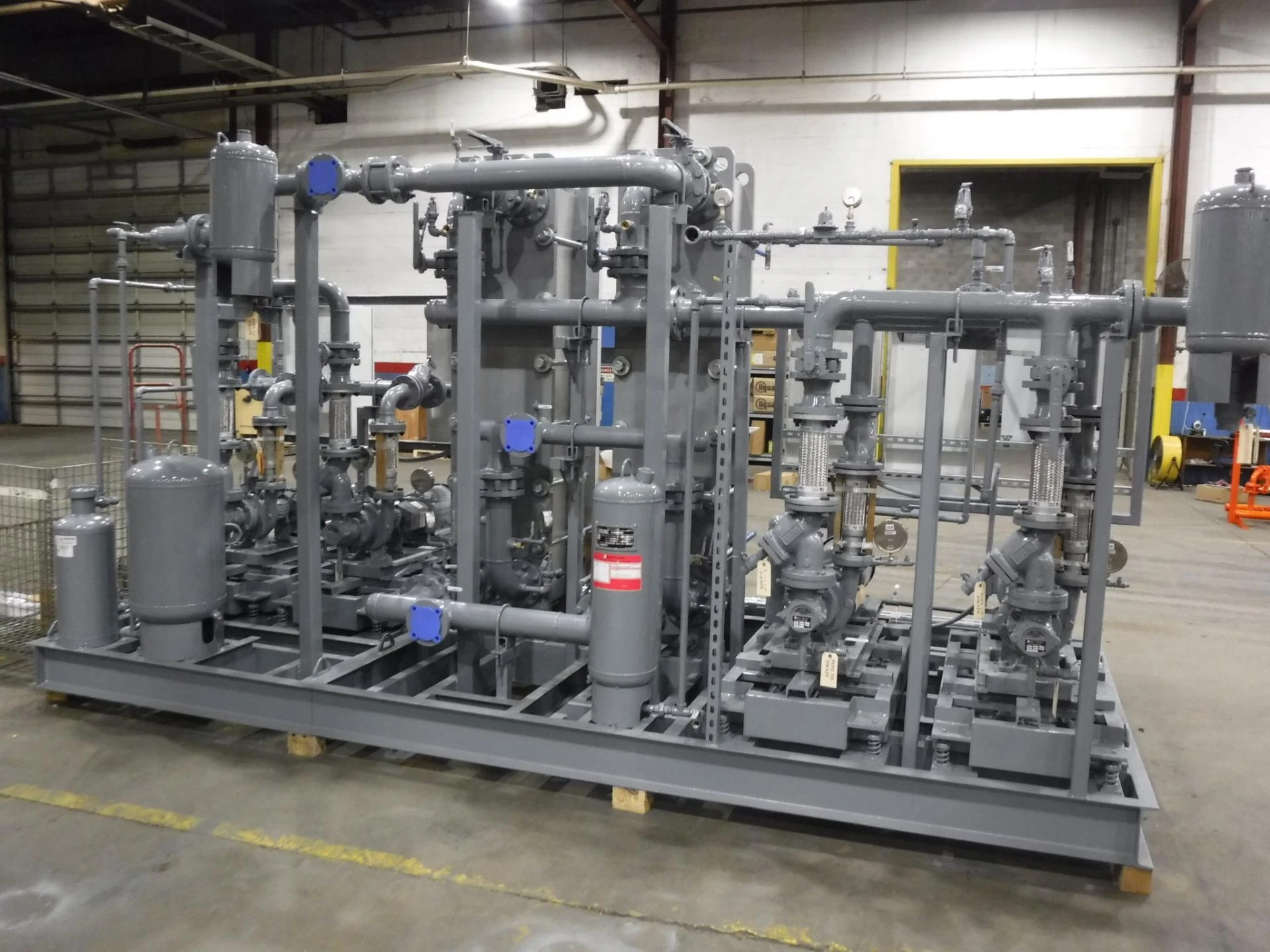
Why do some HVAC systems deliver steady comfort while others struggle with uneven temperatures and high energy bills?
The answer often comes down to the design of heat transfer systems. These systems control how efficiently thermal energy moves between heating sources and building water loops. When the design falls short, performance drops quickly.
A well-engineered solution keeps temperatures stable, improves energy efficiency, and reduces maintenance headaches. In this post, you will learn how modern systems improve HVAC performance, what features matter most, and where these systems make the biggest impact in commercial facilities.
Why Heat Transfer Systems Matter in Modern HVAC Design
Modern HVAC infrastructure depends heavily on heat transfer systems to move thermal energy safely and efficiently between heating sources and building distribution loops. In most commercial facilities, these systems connect steam or hot water sources to hydronic heating networks. As a result, they directly influence energy efficiency, equipment longevity, and occupant comfort.
- Properly engineered steam-to-water heat transfer solutions stabilize temperature delivery across the entire building. Instead of large fluctuations, building zones receive consistent heating levels. This improves system balance and reduces energy waste.
- Many facilities now prefer water-to-water heat transfer for controlled thermal exchange between loops. These systems allow engineers to isolate temperature zones while still maintaining efficient circulation.
- Packaged HVAC solutions increasingly rely on prefabricated modules. These systems arrive factory tested and ready for installation. Engineers save time during commissioning, and facility teams gain reliable performance from day one.
When these design elements work together, the entire HVAC infrastructure runs more smoothly and requires less troubleshooting.
Core Components That Make Heat Transfer Systems Efficient
To understand how heat transfer improves HVAC performance, you need to look at its internal components. Each element plays a specific role in maintaining pressure, temperature stability, and water flow.
A standard system often includes inline, close-coupled, or frame-mounted pumps that circulate water through the loop. These pumps maintain a steady flow and prevent uneven heat distribution across building zones. Engineers frequently pair them with variable frequency drives. These drives adjust pump speed based on demand, improving efficiency and reducing energy consumption.
Temperature monitoring also plays a major role. RTD sensors and temperature transmitters provide continuous readings through 4-20 mA signals. This allows building automation systems to adjust heating output instantly.
Safety features protect the system from pressure fluctuations. ASME relief valves release excess pressure before damage occurs. Expansion tanks manage thermal expansion, while air separators remove trapped air from the water loop.
Additionally, engineers rely on suction diffusers, check valves, and triple-duty valves to regulate water movement. These components maintain system balance and prevent reverse flow or turbulence that can damage equipment.
Together, these elements ensure systems operate efficiently while protecting HVAC infrastructure.
Steam-to-Water vs Water-to-Water Heat Transfer Systems
Different HVAC applications require different thermal exchange methods. Both approaches offer benefits depending on facility requirements.
Steam-based systems deliver strong thermal output and respond quickly to heating demands. Engineers typically install direct-acting or electrically actuated steam control valves to regulate flow.
Meanwhile, water-to-water systems work well in buildings that rely on hydronic heating loops. These setups provide smoother temperature transitions and better zoning flexibility.
Facility engineers choose between the two depending on building size, heating load, and operational requirements.
Factory-Built Systems Improve Reliability and Installation Speed
Today’s HVAC projects prioritize prefabricated equipment. That trend explains why many engineers rely on packaged systems instead of building systems on-site.
- Prefabricated units undergo electrical and hydrostatic testing before shipment. This process verifies system integrity and ensures all piping connections operate safely under pressure. Engineers can install these systems faster because major assembly work already occurs in controlled manufacturing environments.
- Another advantage comes from integrated controls. Packaged systems often include UL-certified industrial control panels and preprogrammed control logic. This simplifies startup procedures and reduces commissioning delays.
- Certified pipe welders and structural welders also play an important role in system durability. Their work ensures piping connections meet strict engineering standards. These construction practices improve long-term reliability.
- Additionally, factory-assembled systems typically include dedicated project management and optional field training. This helps facility teams understand system operation quickly and avoid operational mistakes.
The result is faster installation, smoother startup, and fewer operational risks across the building lifecycle.
Where Heat Transfer Systems Deliver the Most Value
Certain facilities depend heavily on reliable heating infrastructure. In these environments, these systems directly influence comfort, safety, and operational continuity.
Hospitals rely on precise heating for patient care environments. Sterilization processes, hot water supply, and temperature control all depend on stable thermal systems. Even small temperature fluctuations can disrupt operations.
Schools and universities also require dependable heating during colder seasons. Large campuses often distribute heat across multiple buildings. Centralized heat transfer units simplify this distribution process.
Commercial buildings and apartment complexes face a different challenge. These facilities must balance comfort across dozens or even hundreds of units. Efficient systems ensure residents receive consistent heating without excessive energy consumption.
Industrial sites also benefit from strong thermal control. Pharmaceutical factories and manufacturing plants frequently rely on controlled temperatures for production processes.
Finally, large public venues such as stadiums depend on high-capacity HVAC systems to manage crowd comfort. In these environments, reliable thermal exchange becomes essential for maintaining indoor conditions during major events.
FAQs
What do heat transfer systems do in HVAC?
Heat transfer systems move thermal energy between heating sources and water loops. They allow buildings to distribute heat evenly across multiple zones. Without them, HVAC systems struggle with unstable temperatures and inefficient energy use.
How do heat transfer systems improve energy efficiency?
These systems regulate heat exchange precisely. Sensors, valves, and pumps adjust flow based on demand. As a result, HVAC systems avoid overheating or wasting energy during low-demand periods.
What is the difference between steam-to-water and water-to-water systems?
Steam-to-water systems transfer heat from steam boilers to water loops. Water-to-water systems transfer heat between two hydronic loops. Engineers choose based on heating source and building design.
The Final Words
Reliable heating depends on strong engineering behind the scenes. Well-designed heat transfer systems keep HVAC infrastructure balanced, efficient, and dependable across demanding environments. From temperature control to pressure management, every component plays a role in delivering consistent performance.
Modern packaged systems simplify installation while improving long-term reliability. Prefabricated piping, tested controls, and integrated safety components reduce risk during commissioning and daily operation.
If your facility struggles with uneven heating or inefficient HVAC performance, upgrading the system design can make a significant difference. Explore modern heat transfer solutions, review system configurations carefully, and consult experienced HVAC professionals to ensure your building receives the reliable thermal performance it needs.