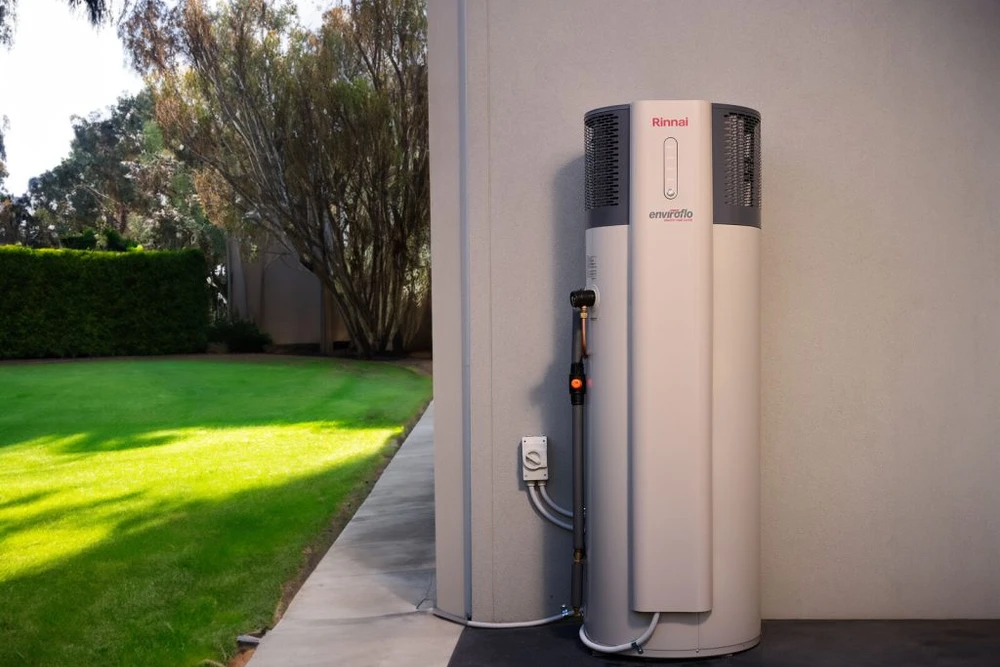
Hot water is something most households rely on daily without much thought—until it suddenly takes longer than usual to return. If you’ve noticed delays in reheating, you’re not alone. Many homeowners using a Heat Pump Hot Water System Bendigo experience slower recovery times at some point, especially as seasons change or household demands increase.
Understanding why this happens requires looking beyond just the system itself. Heat pump technology works differently from traditional electric or gas systems, and that difference often explains the delay.
How Heat Pump Hot Water Systems Work
Before diving into the problem, it helps to understand the basics.
A heat pump system doesn’t generate heat directly. Instead, it extracts warmth from the surrounding air and transfers it into the water tank. This process is energy-efficient, but it can also be slower compared to conventional systems that heat water instantly using electric elements or gas burners.
This means that a Heat Pump Hot Water System Bendigo may naturally take longer to reheat-especially under certain conditions.
Common Reasons for Slow Reheating
1. Cold Weather Conditions in Bendigo
Temperature plays a major role in how efficiently a heat pump operates.
During colder months in Bendigo, the air contains less heat energy. Since the system relies on extracting warmth from the air, it has to work harder and longer to heat the water.
What this means:
- Slower reheating cycles in winter
- Reduced efficiency during early mornings and nights
This is one of the most common reasons why a Heat Pump Hot Water System Bendigo may feel sluggish.
2. Increased Hot Water Usage
Household demand can significantly affect performance.
If more people are using hot water-longer showers, laundry loads, or back-to-back usage—the system may struggle to keep up. Heat pumps are designed for steady, efficient heating rather than rapid recovery.
Signs to watch:
- Hot water runs out faster than usual
- System takes longer to recover after peak usage
In such cases, the issue may not be a fault but rather a mismatch between usage and system capacity.
3. System Size and Tank Capacity
Not all systems are created equal.
If your tank is too small for your household needs, reheating delays are inevitable. A properly sized system should match your daily water consumption.
For example:
- Small households: 150–200 litres
- Medium households: 250–300 litres
- Larger households: 300+ litres
An undersized Heat Pump Hot Water System Bendigo will constantly struggle to keep up, leading to noticeable delays.
4. Heat Pump Operating Modes
Many systems come with different operating modes such as:
- Eco mode
- Boost mode
- Timer settings
Eco mode prioritises energy savings, which can slow down reheating. If your system is set to operate only during certain hours (like off-peak electricity times), you may notice delays outside those periods.
What to check:
- Is the system restricted to certain times?
- Is it running in energy-saving mode?
Adjusting settings can often improve performance.
5. Poor Installation Location
Placement matters more than most people realise.
Heat pump systems need adequate airflow and ambient heat to function efficiently. If installed in a confined or shaded area, performance can drop.
Common placement issues include:
- Enclosed spaces with limited airflow
- Areas exposed to constant shade
- Locations with poor ventilation
A poorly positioned Heat Pump Hot Water System Bendigo may take longer to reheat due to reduced heat absorption.
6. Build-Up of Sediment in the Tank
Over time, minerals in water can settle at the bottom of the tank.
This sediment layer acts as a barrier between the heating element and the water, reducing efficiency.
Effects include:
- Longer heating times
- Reduced tank capacity
- Increased energy usage
Regular maintenance is essential to prevent this issue in any Heat Pump Hot Water System Bendigo.
7. Ageing Components
Like any appliance, heat pump systems degrade over time.
Components such as compressors, fans, and heat exchangers can lose efficiency, leading to slower performance.
If your system is older, you might notice:
- Longer reheating cycles
- Unusual noises
- Inconsistent water temperatures
An ageing Heat Pump Hot Water System Bendigo may not operate as efficiently as it once did.
8. Frost or Ice Build-Up
In colder climates, frost can form on the evaporator coils.
This reduces the system’s ability to absorb heat from the air, slowing down the reheating process.
Some systems have automatic defrost cycles, but these can temporarily pause heating—adding to the delay.
How to Improve Reheating Performance
If your system is taking too long, there are practical steps you can take:
Adjust Usage Habits
- Spread out hot water usage throughout the day
- Avoid multiple high-demand activities at once
Check System Settings
- Switch from eco mode to a balanced or boost mode when needed
- Ensure timers align with your household routine
Improve Airflow Around the Unit
- Clear obstructions
- Ensure proper ventilation
Schedule Regular Maintenance
- Flush the tank periodically
- Inspect components for wear and tear
Consider System Suitability
If delays persist, it may be worth evaluating whether your current Heat Pump Hot Water System Bendigo is suitable for your household size and usage.
When Is It a Real Problem?
Not all delays indicate a fault.
However, you should investigate further if:
- Reheating takes significantly longer than before
- Water never reaches desired temperature
- System frequently shuts down or shows errors
In these cases, underlying mechanical or installation issues may be present.
The Bigger Picture: Efficiency vs Speed
It’s important to remember that heat pump systems are designed for efficiency, not instant heating.
While they may take longer to reheat, they:
- Use less electricity
- Reduce energy bills over time
- Offer a more sustainable solution
So, some delay is normal-but excessive delays usually point to one of the issues discussed above.
Conclusion
A slow reheating cycle can be frustrating, but in most cases, it’s explainable. Whether it’s Bendigo’s cooler climate, increased household demand, or system limitations, each factor plays a role.
Understanding how your Heat Pump Hot Water System Bendigo operates is key to managing expectations and improving performance. With the right adjustments and maintenance, you can ensure your system runs as efficiently as possible without unnecessary delays.
FAQs
1. Why is my heat pump hot water system slower in winter?
Cold air contains less heat energy, making it harder for the system to extract warmth, which slows down reheating.
2. Can I make my heat pump system heat water faster?
Yes, switching to boost mode, adjusting timers, and reducing simultaneous water usage can help improve reheating speed.
3. How often should I maintain my heat pump hot water system?
Basic maintenance, such as tank flushing and system checks, should ideally be done every 1–2 years to maintain efficiency.