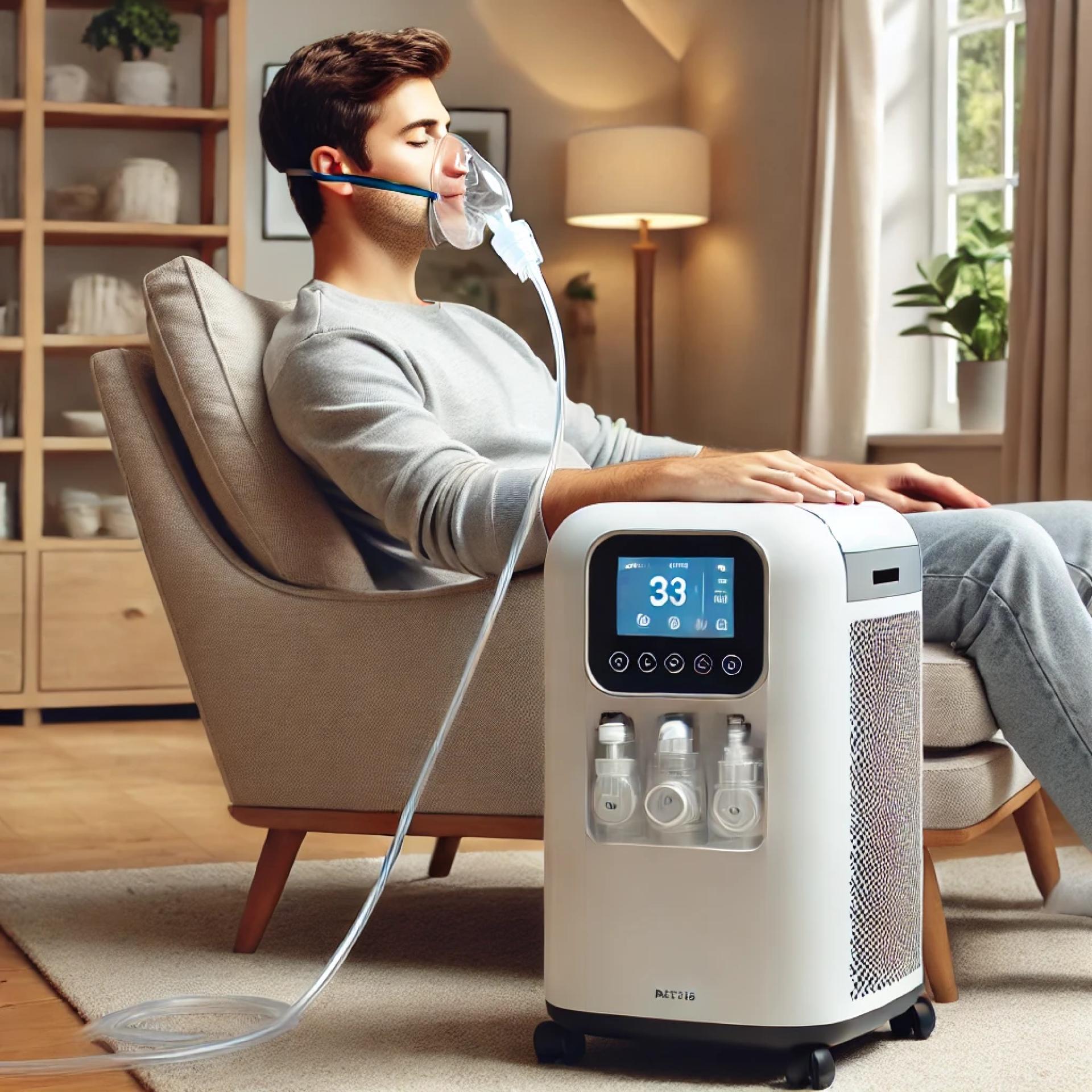
A asthma is a chronic respiratory condition that affects millions of people worldwide. It causes difficulty in breathing due to airway inflammation, leading to symptoms such as shortness of breath, wheezing, and chest tightness. Oxygen therapy is often considered for severe asthma cases, and an oxygen concentrator can be a valuable tool in managing symptoms. In this blog, we will explore the role of oxygen concentrators in asthma management, their benefits, and considerations for usage.
Understanding Asthma and Oxygen Therapy
A asthma is primarily an inflammatory condition triggered by allergens, pollutants, infections, or physical exertion. During an asthma attack, the airways become constricted, reducing the amount of oxygen reaching the lungs.
For most asthma patients, supplemental oxygen is not required on a regular basis. However, in severe cases where oxygen saturation levels drop significantly (hypoxemia), oxygen therapy may be recommended by a doctor.
How Does an Oxygen Concentrator Help with Asthma?
An oxygen concentrator is a medical device that extracts oxygen from the air, removes nitrogen, and delivers purified oxygen to the user. Unlike oxygen cylinders, which require refilling, concentrators provide a continuous flow of oxygen when plugged into a power source. Here’s how they can assist asthma patients:
- Relief During Severe Asthma Attacks: Some patients experience dangerously low oxygen levels during an attack, and oxygen therapy can stabilize them.
- Support in Chronic Respiratory Failure: For patients with asthma and underlying COPD or other lung diseases, oxygen concentrators can provide necessary oxygen supplementation.
- Enhanced Recovery: Oxygen therapy may help in the recovery phase post-severe asthma exacerbations.
- Portable Options for Convenience: Modern portable oxygen concentrators allow patients to move freely without being confined to a hospital setting.
Choosing the Right Oxygen Concentrator for Asthma
If you or a loved one has asthma and is considering an oxygen concentrator, here are key factors to consider:
- Oxygen Flow Rate: Most asthma patients require a concentrator with a flow rate of 1-5 LPM (liters per minute). Your doctor will determine the appropriate setting.
- Portability: For mobility, a lightweight portable oxygen concentrator is preferable.
- Power Source: Ensure the device has a battery backup in case of power failures.
- Noise Levels: A quieter machine is ideal for comfortable home use.
Precautions While Using an Oxygen Concentrator
While oxygen concentrators can be helpful, they must be used under medical supervision. Important precautions include:
- Avoid Overuse: Unnecessary oxygen supplementation can lead to oxygen toxicity.
- Keep Away from Flammable Materials: Oxygen supports combustion, so avoid open flames and smoking near the device.
- Follow the doctor’s advice: Always use oxygen therapy as per the prescribed duration and flow rate.
- Regular Maintenance: Clean filters and ensure the concentrator is in good working condition.
Alternatives and Additional Therapies
Apart from oxygen therapy, asthma management includes:
- Inhalers & Nebulizers: Quick-relief bronchodilators and corticosteroids help open airways.
- Lifestyle Changes: Avoiding allergens, improving indoor air quality, and practicing breathing exercises.
- Medication: Long-term control medications reduce airway inflammation.
- Pulmonary Rehabilitation: Guided exercises and breathing techniques enhance lung function.
Conclusion
While oxygen concentrators are not a first-line treatment for asthma, they can play a critical role in severe cases where oxygen levels drop significantly. If you or a loved one has asthma, consult your doctor to determine if oxygen therapy is needed. At Healthy Jeena Sikho, we offer a range of oxygen concentrators for rent and purchase, ensuring you get the best equipment for your needs.