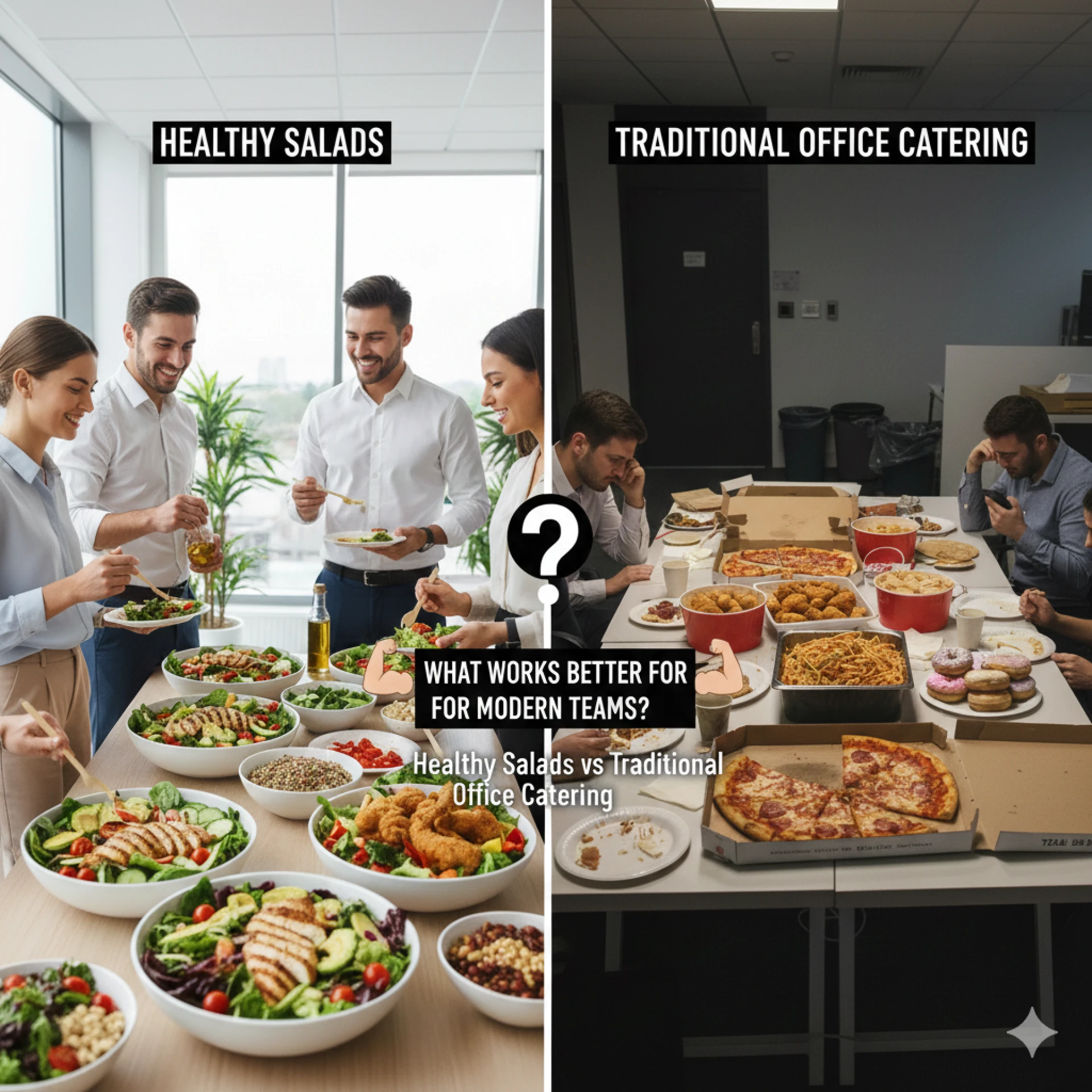
Healthy Salads vs Traditional Office Catering: What Works Better for Modern Teams?
In today’s evolving workplace culture, food is no longer a background detail—it plays a direct role in employee wellbeing, productivity, and overall job satisfaction. As organisations rethink how they support their teams, healthy salads are increasingly replacing heavy, traditional meals as the preferred option for office catering. Modern teams want food that fuels performance, supports health, and accommodates diverse dietary needs, all without compromising on taste or presentation.
This shift has sparked an important question for businesses and decision-makers: do healthy salads truly work better than traditional office catering for modern teams? Let’s explore the differences, benefits, and long-term impact of both options to help organisations make smarter catering choices.
The Evolution of Office Catering Expectations
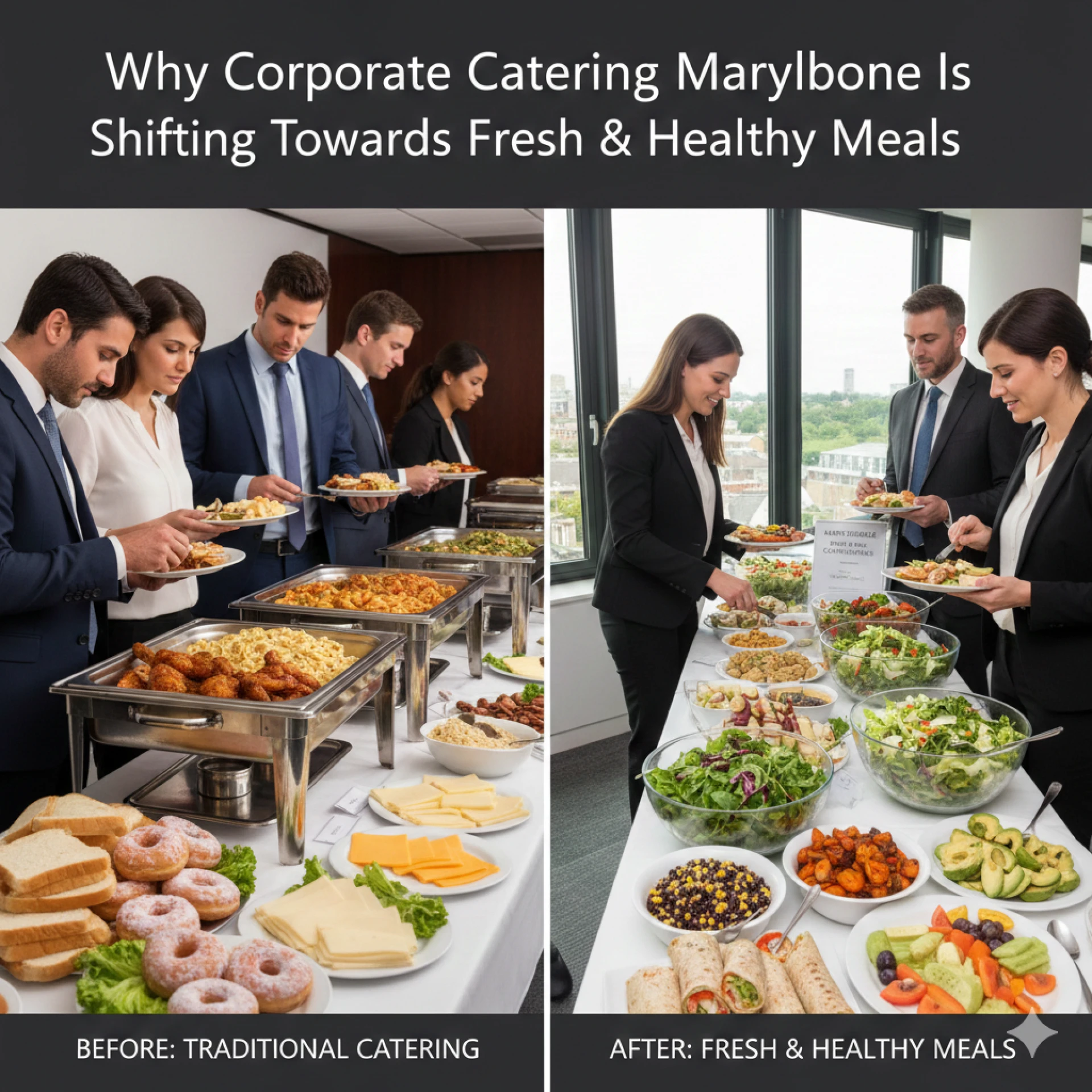
Office catering has changed significantly over the past decade. In the past, catering was often limited to basic sandwich platters, pastries, fried snacks, or rich hot meals. These options were convenient and familiar, but they rarely aligned with health-conscious lifestyles or inclusive dietary requirements.
Today’s workforce is more informed and intentional about food. Employees actively seek balanced meals, clean ingredients, and transparency around nutrition. This has pushed employers—and corporate catering companies—to rethink what they serve and why it matters.
Modern office catering must now deliver:
- Energy without post-meal fatigue
- Flexibility for different diets and preferences
- Professional presentation for meetings and clients
- Meals that reflect company values around health and sustainability
Healthy salads fit seamlessly into this new framework.
Understanding Traditional Office Catering
Traditional office catering typically includes items such as:
- Sandwiches and wraps
- Fried or baked snacks
- Cream-based pastas or rice dishes
- Sweet desserts and pastries
While these meals are often satisfying in the short term, they can present several challenges in modern workplaces.
Limitations of Traditional Catering
1. Energy Crashes
Meals high in refined carbohydrates, sugar, and saturated fats can lead to sluggishness and reduced concentration. For teams returning to meetings or focused tasks after lunch, this can negatively affect productivity.
2. Limited Dietary Inclusivity
Traditional menus often struggle to cater equally to vegans, vegetarians, gluten-free, dairy-free, or health-conscious employees. This can leave some team members feeling overlooked.
3. Lack of Customisation
Fixed menus mean limited flexibility. Employees have fewer choices, which can reduce satisfaction and increase food waste.
4. Perception and Brand Image
For client-facing meetings, traditional catering may feel outdated or uninspiring, especially when businesses want to project a modern, wellness-focused image.
Despite these drawbacks, traditional office catering still appeals to some organisations due to familiarity. However, it increasingly falls short of meeting modern expectations.
Why Healthy Salads Are Gaining Popularity
Healthy salads have moved far beyond simple lettuce bowls. Today, they are thoughtfully designed meals that combine flavour, nutrition, and visual appeal. For many corporate caterers London, salads have become a core offering because they align with the needs of contemporary workplaces.
What Makes Healthy Salads Different?
Healthy salads are built around balance. A well-crafted salad typically includes:
- Fresh vegetables and leafy greens
- Whole grains or complex carbohydrates
- Lean or plant-based proteins
- Healthy fats and flavourful dressings
This combination provides sustained energy rather than short-term fullness.
Key Advantages of Healthy Salads for Office Catering
1. Sustained Energy and Focus
Unlike heavy meals, healthy salads support steady energy levels. Employees feel nourished rather than tired, which helps maintain productivity throughout the afternoon.
2. Inclusive by Design
Healthy salads are naturally adaptable. With simple adjustments, they can meet vegan, vegetarian, gluten-free, dairy-free, and high-protein requirements—making them ideal for diverse teams.
3. Customisation and Choice
Salad-based catering allows employees to choose ingredients that suit their taste and dietary needs. This flexibility increases satisfaction and reduces food waste.
4. Professional Presentation
Modern salad boxes and bowls are visually appealing and well-suited for meetings, workshops, and client lunches. They reflect care, quality, and attention to detail.
5. Alignment with Wellness Initiatives
Many organisations now prioritise employee wellbeing as part of their culture. Offering healthy salads reinforces these values in a tangible, everyday way.
Healthy Salads and the Role of Corporate Caterers in London
London’s business landscape is fast-paced and highly competitive. Companies want catering solutions that are reliable, flexible, and aligned with modern values. This is why many businesses now partner with experienced corporate caterers London who specialise in healthy, high-quality food.
From small team lunches to large corporate events, salad-focused catering offers:
- Scalable options for different group sizes
- Consistent quality across locations
- Menus that reflect current food trends and expectations
For organisations comparing corporate catering companies, those that prioritise healthy salads often stand out for their ability to balance nutrition, taste, and professionalism.
The Impact on Employee Satisfaction and Company Culture
Food choices communicate more than we realise. When a company invests in healthy, inclusive office catering, employees feel valued and considered. This can lead to:
- Higher morale
- Better engagement
- Stronger alignment with company values
Healthy salads also support long-term wellness, which can positively influence attendance, focus, and overall workplace energy.
In contrast, repetitive or unsuitable traditional catering can lead to dissatisfaction, food waste, and disengagement—especially in diverse teams with varying dietary needs.
Which Option Truly Works Better for Modern Teams?
For today’s workplaces, the answer is increasingly clear. While traditional office catering may still suit certain occasions, healthy salads are far better aligned with the needs of modern teams. They offer flexibility, inclusivity, and nourishment without sacrificing taste or professionalism.
Businesses working with forward-thinking corporate catering companies are recognising that food is not just a logistical requirement—it’s a strategic decision that impacts performance, culture, and brand perception.
Final Thoughts: Making a Smarter Catering Choice
As workplace expectations continue to evolve, catering choices must evolve with them. Healthy salads are no longer a niche option; they are becoming the standard for organisations that care about wellbeing, productivity, and modern values.
For companies reviewing their office catering strategy or evaluating corporate caterers London, choosing healthy salads is a clear step toward a more energised, inclusive, and future-ready workplace.