Acidity looks like a small problem at first.
Just a little burning in the chest. Maybe some burping. Maybe that uncomfortable feeling after dinner.
Then it starts happening more often.
You begin avoiding certain foods.
Tea feels risky.
Late-night dinners feel heavy.
Even eating outside becomes stressful.
A lot of people think acidity only comes from spicy food or junk food. That’s not always true, though. Sometimes your eating schedule, stress, sleep, or even overeating healthy food can trigger it.
I used to ignore acidity for months. I thought it would go away on its own. But honestly, small daily habits matter more than we think.
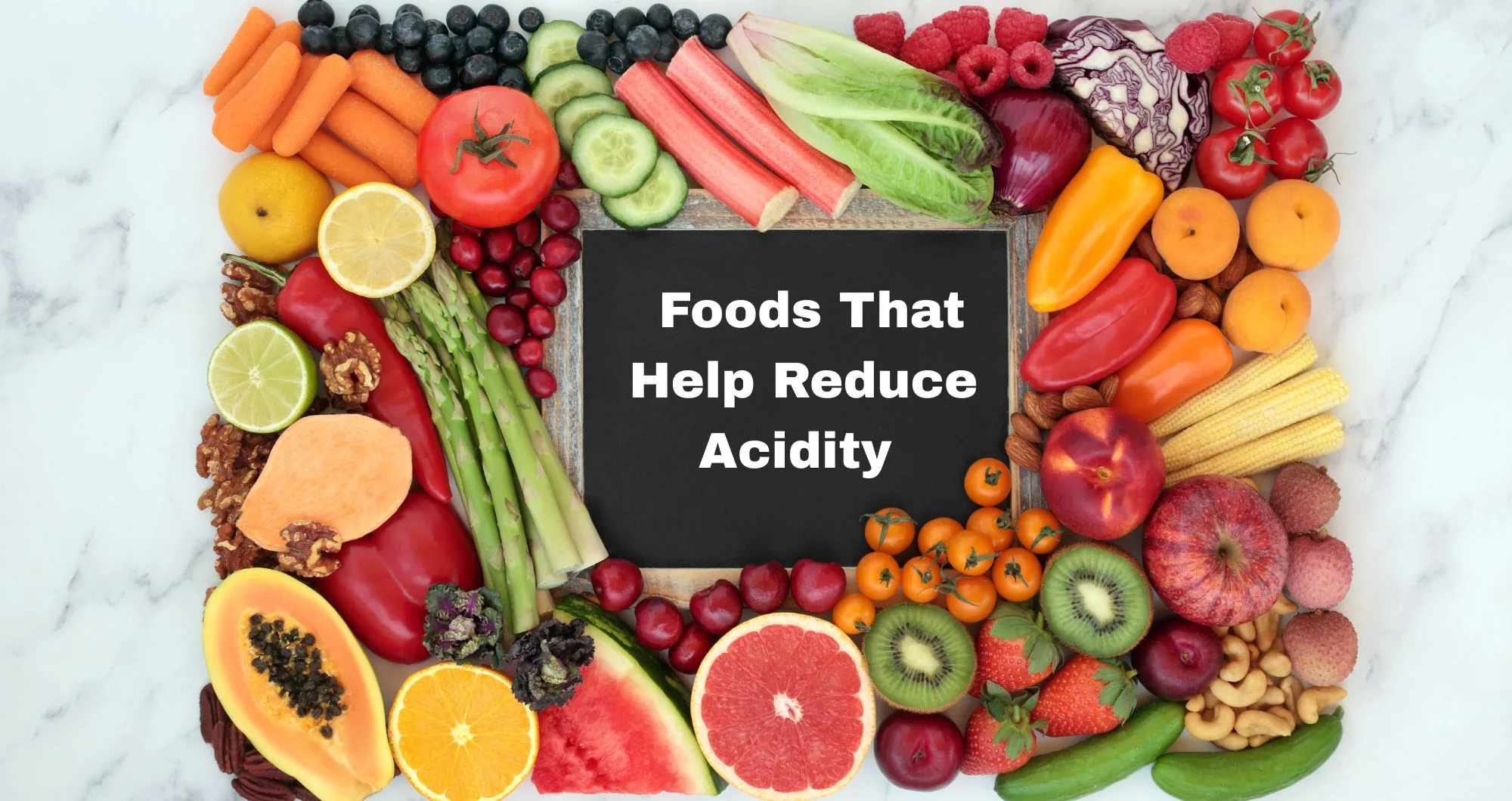
The good part is that some foods can naturally help calm your stomach and support digestion. Nothing extreme. Just simple foods your body usually handles better.
This article covers healthy foods that may help reduce acidity naturally, along with eating habits that can make a real difference over time.
What Is Acidity?
Acidity happens when stomach acid moves upward into the food pipe.
That burning feeling is usually called acid reflux.
You may notice symptoms like:
- Burning in the chest
- Sour taste in the mouth
- Bloating
- Gas
- Burping
- Heaviness after meals
- Nausea
- Throat irritation
Some people feel acidity after eating oily food.
Others feel it after skipping meals.
Strange how the body reacts differently, right?
Many nutrition experts, including Bangalore’s Dietitian professionals, often say that digestive problems usually build slowly through lifestyle habits, not just one unhealthy meal.
Common Causes of Acidity
Before talking about foods, it helps to understand what may trigger acidity in the first place.
Here are some common reasons:
- Eating too fast
- Overeating
- Excess tea or coffee
- Spicy meals
- Deep-fried food
- Long gaps between meals
- Late-night dinners
- Stress
- Poor sleep
- Smoking
- Alcohol
Sometimes stress alone can upset digestion badly.
Ever noticed your stomach acting weird during anxiety or work pressure?
That connection is real.
Can Food Help Reduce Acidity Naturally?
Yes, it can help in many cases.
Certain foods may:
- Calm the stomach lining
- Reduce irritation
- Support smoother digestion
- Prevent heaviness
- Help balance stomach acid
Simple meals often work better than rich or processed foods.
That’s one reason many people now follow more balanced eating habits instead of extreme dieting plans.
Even Dietitian experts often encourage sustainable food habits over restrictive eating patterns because they are easier to maintain long-term.
1. Banana
Bananas are usually one of the safest foods during acidity.
They feel soft and easy on the stomach.
Many people feel relief after eating a ripe banana because it may help coat the stomach lining.
Bananas also contain fibre that supports digestion.
You can try:
- One banana in the morning
- Banana with oats
- Banana as an evening snack
Avoid eating too many at once, though.
Even healthy foods can feel heavy in excess.
2. Oats
Oats are simple, filling, and light on digestion.
They absorb excess acid and help you stay full longer.
Heavy breakfasts often make acidity worse. Oats usually don’t.
Easy ways to eat oats:
- Oats porridge
- Vegetable oats
- Overnight oats
- Oats with banana
Try keeping it simple.
Too much sugar or packaged flavouring may irritate your stomach again.
3. Coconut Water
Coconut water feels cooling for many people.
It also helps with hydration, which matters more than most people realise.
Sometimes acidity feels worse when the body is dehydrated.
Fresh coconut water usually works best.
Mid-morning is a good time for it.
Not after a huge meal, though. That can feel uncomfortable.
4. Rice
Plain rice is easier to digest compared to heavy spicy meals.
Soft rice with dal can feel comforting when your stomach feels irritated.
Simple combinations work well, like:
- Rice with moong dal
- Vegetable khichdi
- Curd rice
Many people recover faster from acidity when they temporarily switch to lighter home-style meals.
Honestly, your stomach sometimes just wants a break.
5. Curd
Curd contains probiotics that support gut health.
A healthy gut may improve digestion and reduce discomfort.
Homemade curd usually feels lighter than flavoured packaged yogurt.
You can eat:
- Plain curd with lunch
- Buttermilk
- Curd rice
- Homemade lassi without excess sugar
Cold sugary desserts may trigger acidity instead.
That difference matters.
6. Papaya
Papaya is soft, hydrating, and easy to digest.
It contains digestive enzymes that may support smoother digestion.
A lot of people eat papaya in the morning because it feels light but filling.
You can try:
- Fresh papaya cubes
- Papaya at breakfast
- Papaya as an evening fruit
Small portions usually work better.
Too much fruit at once may still cause bloating.
7. Fennel Seeds
Fennel seeds are commonly eaten after meals in Indian homes.
And honestly, there’s probably a reason that habit stayed for generations.
They may help reduce bloating and support digestion.
Simple ways to use them:
- Chew half a teaspoon after meals
- Drink fennel tea
- Soak fennel seeds overnight in water
It feels light and refreshing.
8. Buttermilk
Buttermilk works well for many people with acidity.
It feels cooling and easier to digest than heavy drinks.
Adding roasted cumin powder may help digestion, too.
You can drink:
- One glass after lunch
- Homemade buttermilk during summer
- Plain chaas without too much spice
Avoid very spicy versions if your stomach already feels irritated.
9. Green Vegetables
Cooked vegetables often feel gentler on digestion compared to oily curries or processed foods.
Some good choices include:
- Bottle gourd
- Spinach
- Pumpkin
- Beans
- Ridge gourd
- Carrot
- Cucumber
Lightly cooked vegetables usually work better during acidity episodes.
Deep-fried vegetable dishes may trigger symptoms again.
10. Herbal Teas
Some herbal teas may help calm digestion naturally.
Popular options include:
- Ginger tea
- Chamomile tea
- Fennel tea
- Licorice tea
Avoid drinking very hot tea.
And maybe reduce regular tea or coffee if you drink multiple cups daily.
That habit quietly worsens acidity for many people.
11. Whole Grains
Whole grains contain fibre that supports digestion.
Good choices include:
- Oats
- Daliya
- Brown rice
- Millet
- Whole wheat roti
Fibre helps food move through the digestive system properly.
That may reduce heaviness and bloating.
Still, increasing fibre too suddenly can feel uncomfortable.
Go slowly.
12. Melons
Watermelon and muskmelon contain high water content.
They feel refreshing and light.
Fresh fruits usually work better than sugary desserts after meals.
Try eating melons separately instead of immediately after heavy food.
Your digestion may handle them better that way.
Foods That May Trigger Acidity
Knowing what to reduce matters too.
Common trigger foods include:
- Deep-fried snacks
- Fast food
- Soft drinks
- Excess coffee
- Spicy curries
- Tomato-heavy sauces
- Packaged chips
- Excess chocolate
- Alcohol
- Cigarettes
Some triggers are personal, though.
One person handles coffee fine. Another feels burning after one cup.
You need to observe your own body.
That awareness helps more than blindly following internet food lists.
Eating Habits That Help Reduce Acidity
Food matters.
Habits matter too.
Actually, habits may matter even more.
Eat Slowly
Fast eating increases bloating and heaviness.
Chew properly.
Your stomach digests better when you slow down.
Avoid Long Gaps Between Meals
Skipping meals may increase acid production.
Try balanced meals at regular times.
Even a small fruit or handful of nuts can help.
Don’t Lie Down After Eating
This habit triggers acidity for many people.
Try walking slowly for 10 to 15 minutes after meals instead.
Reduce Late-Night Dinners
Heavy dinners close to bedtime usually worsen symptoms.
Your body needs time to digest food properly.
Drink Enough Water
Stay hydrated through the day.
Avoid drinking huge amounts during meals, though.
Small sips work better.
Manage Stress
Stress affects digestion badly.
A lot of people underestimate this.
Poor sleep and anxiety can trigger acidity even when your diet looks healthy.
Simple habits help:
- Walking
- Deep breathing
- Better sleep timing
- Less screen time before bed
Small changes add up.
One-Day Meal Plan for Acidity Relief
Sometimes examples make things easier.
Here’s a simple meal structure that many people tolerate well.
Morning
- Warm water
- Banana or papaya
- Oats or poha
Mid-Morning
- Coconut water
- Handful of nuts
Lunch
- Rice or roti
- Moong dal
- Cooked vegetables
- Plain curd
Evening
- Herbal tea
- Roasted chana
Dinner
- Khichdi
- Light sabzi
- Buttermilk
Nothing fancy.
Just balanced and easier on digestion.
Does Weight Affect Acidity?
Yes, sometimes.
Extra weight around the stomach area may increase pressure and push acid upward.
That’s one reason many healthcare professionals, including Bangalore’s Dietitian specialists, focus on gradual lifestyle changes instead of crash diets.
Extreme dieting may worsen digestion and increase acidity for some people.
Balanced eating usually feels more sustainable.
Is Homemade Food Better for Acidity?
In many cases, yes.
Homemade meals are usually:
- Less oily
- Less processed
- Easier to digest
- Better portion-controlled
Restaurant food often contains extra oil, spice, butter, and sauces.
Your stomach notices that difference quickly.
Simple home-cooked food may feel boring sometimes, honestly.
But your digestion usually appreciates it.
When Should You Get Medical Help?
Occasional acidity is common.
Frequent acidity should not be ignored.
You should speak to a doctor if you notice:
- Acidity several times a week
- Difficulty swallowing
- Chest pain
- Vomiting
- Persistent nausea
- Sudden weight loss
- Severe stomach pain
Sometimes acidity symptoms overlap with other digestive conditions.
Getting checked early helps.
Why Sustainable Eating Habits Matter
A lot of people search for instant relief.
One drink.
One powder.
One shortcut.
But digestion usually improves through consistent habits.
Simple meals.
Better sleep.
Regular timing.
Less stress.
Balanced portions.
That’s what actually supports long-term relief.
This is also why many dietitian professionals encourage realistic eating patterns instead of restrictive plans that people quit after two weeks.
Your body responds better to consistency than perfection.
Final Thoughts
Acidity can feel exhausting when it happens often.
It affects your meals, sleep, mood, and daily comfort.
The good news is that small food choices can help naturally.
Foods like:
- Banana
- Oats
- Coconut water
- Rice
- Curd
- Papaya
- Buttermilk
- Cooked vegetables
may support digestion and reduce irritation over time.
You don’t need complicated diets.
You just need eating habits that your stomach can handle comfortably every day.
And honestly, simple usually works better anyway.