
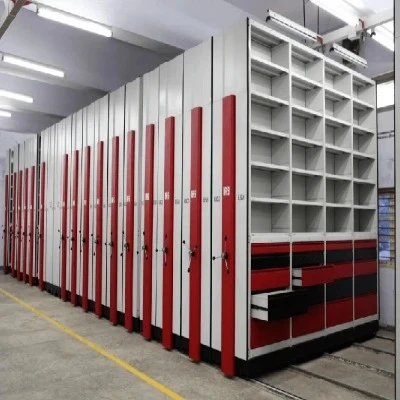
Efficient storage solutions are critical in the healthcare industry, where space constraints and organization directly impact patient care and operational efficiency. Hospitals, clinics and pharmaceutical facilities require optimized storage systems to manage medical supplies effectively.
One of the most innovative and practical solutions in this domain is mobile compactors. These high-density storage units maximize space, improve accessibility and enhance inventory management. In this article, we will explore what mobile compactors are, their significance in healthcare, key benefits, leading manufacturers and best practices for implementation.
What is a Mobile Compactor?
A mobile compactor is a space-saving storage system that utilizes movable shelving units mounted on tracks. Unlike traditional static shelving, mobile compactors allow users to move entire rows of storage laterally, creating a highly efficient and compact storage solution. This system eliminates wasted aisle space and significantly increases storage capacity within the same footprint.
Relevance in Healthcare
In the healthcare sector, managing medical supplies, pharmaceuticals, and patient records efficiently is essential for maintaining smooth operations. Mobile compactors provide:
- Improved organization – Proper categorization of medical supplies reduces errors and enhances efficiency.
- Space optimization – Hospitals can store more within limited spaces, freeing up room for other essential operations.
- Enhanced security – Lockable mobile shelving ensures sensitive materials and medications are stored securely.
- Better compliance – Helps maintain regulatory compliance with proper documentation and storage practices.
Why is Mobile Compactors for Medical Supplies Important?
Key Benefits
Maximized Storage Efficiency
- Mobile shelving units increase storage capacity by up to 50%.
- Reduces the need for additional storage rooms, optimizing hospital real estate.
Quick and Easy Access
- Facilitates easy retrieval of medical supplies, reducing staff workload and enhancing productivity.
- Reduces search time, improving response rates in emergency situations.
Enhanced Hygiene and Cleanliness
- Compact storage reduces dust accumulation.
- Easier to maintain and clean compared to traditional storage racks.
Cost-Effective
- Reduces the need for expensive storage expansions.
- Minimizes loss due to misplacement or damage of medical supplies.
Real-World Applications
- Hospitals and Clinics: Used to store bandages, syringes, gloves, and critical medical supplies.
- Pharmaceutical Storage: Helps in organizing and securing medicines.
- Research Laboratories: Stores samples, reagents, and sensitive equipment efficiently.
Mobile Compactor Manufacturers
When selecting a right one from a list of Mobile Compactor Manufacturers, consider the following factors:
Top Features to Look For:
- Customization Options: Adjustable shelving and modular designs to fit specific needs.
- Security Mechanisms: Locking features for restricted access to sensitive supplies.
- Durability & Material Quality: Stainless steel or high-grade aluminum for longevity and hygiene.
- Ease of Use: Ergonomic handles and smooth gliding systems.
Leading Manufacturers in the Industry
- Godrej Storage Solutions – Known for durable and secure mobile shelving.
- Spacefile – Specializes in high-density mobile storage solutions.
- Montel Inc. – Offers innovative mobile compactor designs for healthcare.
- Kardex Remstar – Provides automated mobile storage solutions.
Best Practices for Implementing Mobile Compactors in Healthcare
Assess Storage Needs
- Conduct an inventory audit to determine storage requirements.
- Categorize supplies based on frequency of use.
Optimize Layout and Design
- Work with manufacturers to create a customized solution.
- Ensure accessibility for staff to retrieve items quickly.
Implement Security Measures
- Use lockable units for controlled substances and sensitive medical records.
- Train staff on access protocols.
Regular Maintenance and Cleaning
- Establish a routine maintenance schedule.
- Use disinfectants suitable for medical environments.
Common Mistakes and How to Fix Them
Frequent Errors
- Overloading Shelves – Can cause structural damage and hinder mobility.
- Solution: Follow weight distribution guidelines provided by manufacturers.
- Poor Labeling and Organization – Leads to inefficiency and misplaced items.
- Solution: Implement a clear labeling system with color codes.
- Ignoring Ergonomics – Staff may struggle with difficult-to-move units.
- Solution: Choose ergonomic designs and train staff on proper handling.
Recent Developments and Insights
- Smart Storage Integration – AI-driven inventory tracking systems are being integrated with mobile shelving.
- Sustainable Materials – Manufacturers are shifting to eco-friendly, durable materials.
- Regulatory Changes – Compliance requirements for medical storage are becoming stricter, driving innovations in secure storage solutions.
Conclusion
Mobile compactors are transforming the way healthcare facilities manage medical supplies. Their ability to optimize space, improve security and enhance accessibility makes them an indispensable solution for hospitals, pharmacies and research labs.
By choosing the right manufacturer, following best practices and staying updated with industry trends, healthcare facilities can significantly improve their storage efficiency and overall operational effectiveness.
For facilities looking to upgrade their storage systems, investing in mobile shelving and compactors is a strategic move towards better organization and patient care.