
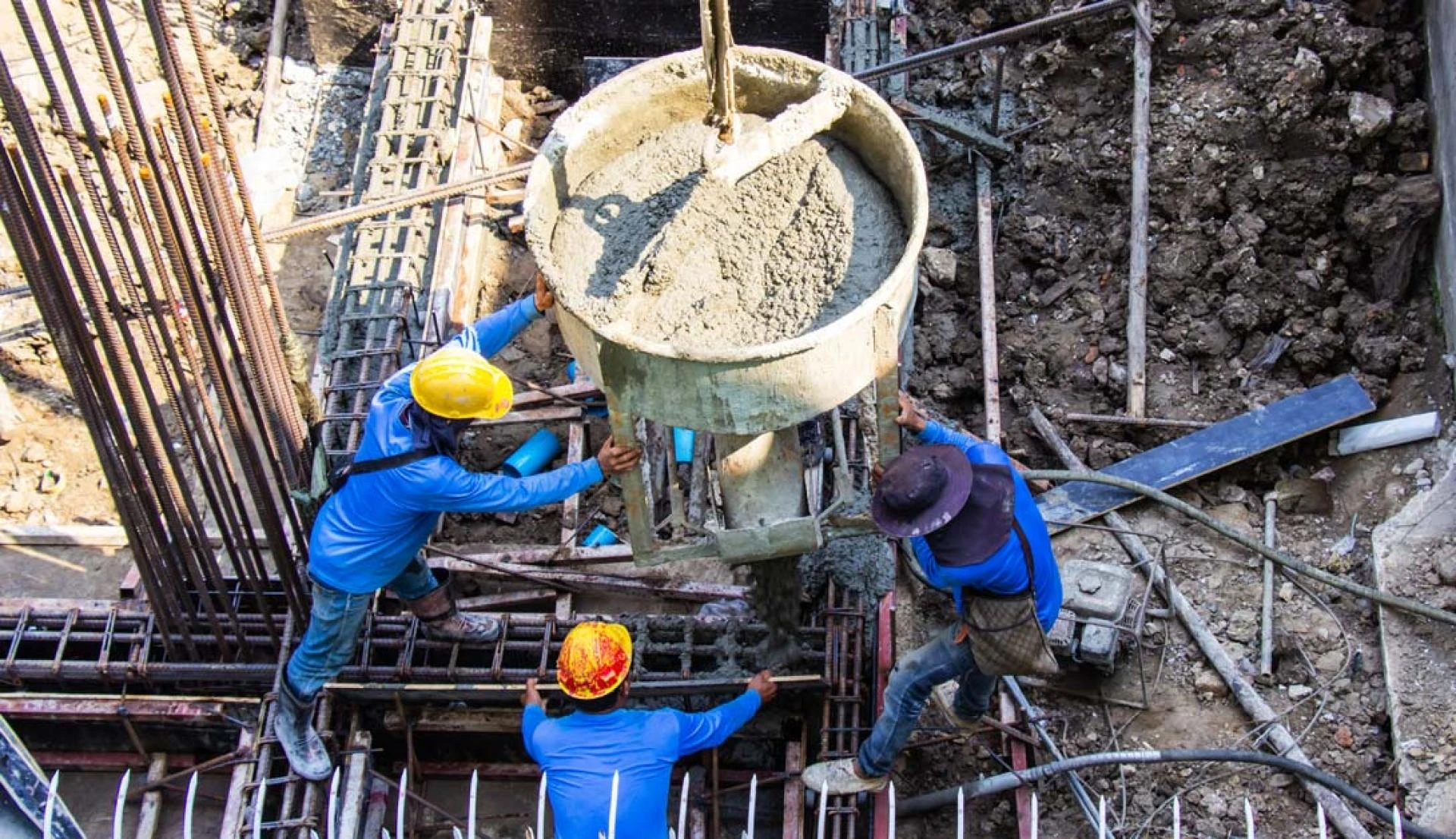
In the high-risk environment of construction, maintaining health and safety standards is not just a regulatory requirement—it’s a necessity. Every year, thousands of workers face hazards ranging from falls and heavy machinery accidents to long-term exposure to harmful materials. In this landscape, construction unions have emerged as critical advocates for worker health and safety, championing reforms, enforcing standards, and empowering workers to speak up without fear of retaliation.
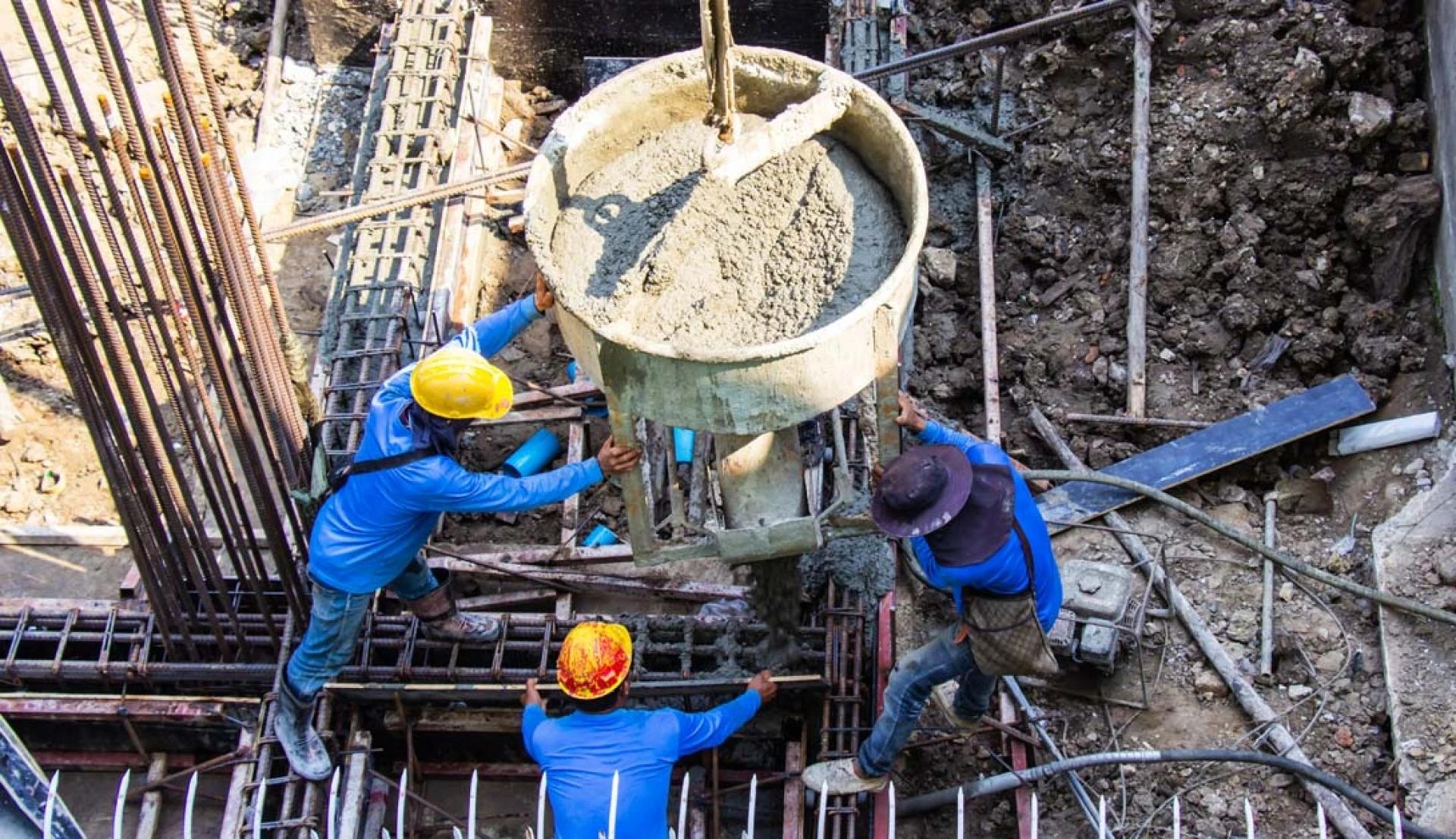
A Historical Perspective on Union Advocacy
Construction unions have a long history of fighting for safer working conditions. Dating back to the early 20th century, organized labor has been instrumental in pushing for laws that limit working hours, enforce safety protocols, and mandate the use of protective equipment. Their efforts have led to significant improvements in workplace safety regulations and inspection routines.
Unions played a key role in the establishment of the Occupational Safety and Health Administration (OSHA) in the U.S., and similar bodies in the UK and other countries. These organizations now form the backbone of health and safety enforcement on construction sites, but the role of unions remains just as essential today.
Empowering Workers Through Training
One of the most direct ways unions support health and safety is through training and education. Many unions offer extensive programs that go beyond minimum legal requirements, providing members with up-to-date knowledge on safe practices, proper equipment use, and emergency procedures.
These training programs are designed not just for new workers, but also for seasoned professionals who need to stay current with evolving safety standards and technologies. This is particularly true in regions such as Health and Safety in Essex, where local unions tailor their training to address specific construction risks in the area.
Advocating for Stronger Regulations
Construction unions are powerful lobbying forces when it comes to influencing health and safety legislation. They work closely with policymakers to shape laws that protect workers and close loopholes that might endanger them.
For example, unions have successfully lobbied for mandatory rest breaks in extreme weather conditions, stricter standards for scaffolding and ladder use, and the provision of mental health resources for workers exposed to trauma or high-stress environments. These are key areas of focus within Health and Safety in Essex, where local unions partner with companies and regulatory bodies to enforce stronger safety protocols.
They also help ensure that employers are held accountable when violations occur, pushing for fines and penalties that deter future negligence.
Monitoring and Enforcement on the Ground
Unions serve as a crucial check against unsafe practices on construction sites. Union representatives often conduct site inspections, raise red flags when conditions are substandard, and assist workers in filing complaints or reporting violations.
Their presence helps maintain a culture of accountability. Workers in unionized environments are statistically more likely to report hazards and less likely to suffer from serious injuries, in large part because they know they have strong institutional backing.
Promoting a Culture of Safety
Beyond regulations and enforcement, unions play a vital role in creating a workplace culture that prioritizes health and safety. They encourage workers to look out for one another and to prioritize long-term well-being over short-term gains.
Many unions now incorporate mental health and wellness initiatives into their safety programs, recognizing that psychological health is just as important as physical safety. This holistic approach is helping to redefine what it means to be safe on the job.
Local Impact: Health and Safety Essex
The importance of construction union involvement in worker protection is particularly evident in efforts like Health and Safety in Essex. Local unions in Essex work closely with construction firms and government agencies to improve site conditions, reduce injury rates, and ensure that workers have access to adequate protective measures and health support systems.
By collaborating with employers and safety experts, unions in Essex have successfully reduced the occurrence of preventable injuries, proving that strong advocacy and regulation work hand-in-hand.
The Future of Union Advocacy
As the construction industry evolves—with new materials, tools, and technologies—so too must the strategies for protecting workers. Construction unions are adapting to meet these challenges, investing in digital training platforms, safety apps, and data-driven approaches to risk management.
They are also placing greater emphasis on diversity and inclusion, ensuring that safety standards apply equitably to all workers regardless of background or job role.
In the era of climate change and increasing urban development, the construction sector will continue to face new risks. Whether it’s working in higher temperatures, dealing with unfamiliar materials, or managing larger and more complex worksites, unions will remain a central voice in ensuring that safety keeps pace with innovation.
Conclusion
Construction unions are far more than labor organizations fighting for wages and benefits—they are frontline defenders of health and safety. From lobbying for better laws to educating workers and monitoring job sites, their impact is wide-reaching and indispensable.
In places like Essex, efforts within Health and Safety in Essex have demonstrated the power of collaborative safety initiatives, setting a high standard for the construction industry to follow. As construction continues to shape our built environment, unions will play an essential role in making sure it’s done safely and responsibly—for every worker, every time.