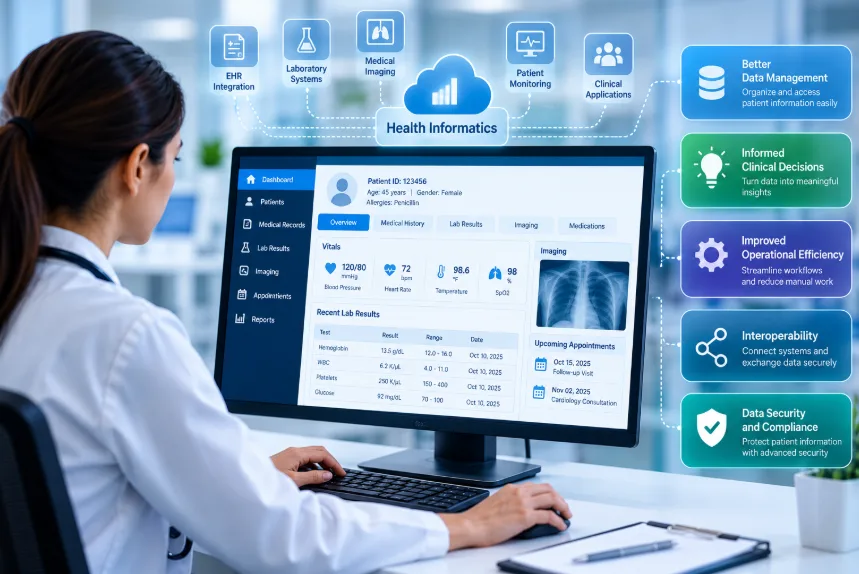
In today’s technology-driven healthcare environment, data accuracy, security, and efficiency are more important than ever. One of the most transformative innovations reshaping the industry is biometric health data. From patient identification to real-time monitoring, biometric technologies are revolutionizing how healthcare providers deliver care and manage information.
What Is Biometric Health Data?
Biometric health data refers to unique physical and behavioral characteristics used for identification and health monitoring. These include:
- Fingerprints
- Facial recognition
- Iris scans
- Voice recognition
- Vital signs (heart rate, blood pressure, oxygen levels)
By integrating biometric data into healthcare systems, providers can ensure accurate patient identification and improve the reliability of medical records.
Why Biometric Health Data Matters
Traditional patient identification methods often rely on manual input, which can lead to errors and inefficiencies. Biometric systems eliminate these risks by providing secure, automated identification.
Key Benefits:
- Improved Accuracy: Eliminates duplicate or incorrect patient records
- Enhanced Security: Protects sensitive health data from unauthorized access
- Faster Processes: Speeds up patient check-ins and verification
- Better Patient Experience: Reduces administrative delays
These advantages make biometric health data a critical component of modern healthcare systems.
Automation in Healthcare with Biometrics
Automation powered by biometric technology is transforming healthcare operations. Hospitals and clinics are increasingly using smart kiosks and automated systems to streamline workflows.
Applications of Automation:
- Patient self-check-in kiosks
- Automated data collection systems
- Biometric authentication for medical records
- Contactless patient identification
These solutions reduce administrative workload, allowing healthcare staff to focus more on patient care.
Enhancing Patient Care Through Biometric Data
Biometric health data enables healthcare providers to deliver more personalized and efficient care.
How It Improves Care:
- Real-Time Monitoring: Continuous tracking of vital signs
- Early Diagnosis: Detects potential health issues sooner
- Personalized Treatment: Data-driven care plans
- Improved Patient Safety: Reduces medical errors
With accurate and up-to-date data, clinicians can make better decisions and improve patient outcomes.
Reducing Errors in Healthcare Systems
One of the biggest challenges in healthcare is data inaccuracy caused by manual processes. Biometric systems significantly reduce these risks.
Error Reduction Benefits:
- Eliminates patient misidentification
- Reduces manual data entry mistakes
- Ensures consistent and reliable records
- Improves coordination across departments
This leads to safer, more efficient healthcare delivery.
The Rise of Wearables and Remote Monitoring
Biometric health data is expanding beyond hospitals through wearable devices and remote monitoring technologies.
Examples Include:
- Smartwatches tracking heart rate and activity
- Remote patient monitoring systems
- IoT-enabled health devices
These tools provide continuous health insights and allow providers to monitor patients outside clinical settings, improving long-term care.
Future Trends in Biometric Healthcare Technology
The future of biometric health data is driven by innovation and integration with advanced technologies.
Emerging Trends:
- Artificial Intelligence (AI): Predictive analytics and personalized insights
- Telehealth Integration: Seamless remote care experiences
- Contactless Biometrics: Touch-free identification systems
- Blockchain Security: Enhanced protection of patient data
These advancements will further strengthen the role of biometrics in healthcare.
Why Healthcare Providers Should Adopt Biometric Solutions
Adopting biometric health data systems is becoming essential for modern healthcare providers.
Key Reasons:
- Increasing demand for data accuracy and security
- Need for faster and more efficient workflows
- Rising patient expectations for digital experiences
- Regulatory requirements for data protection
Healthcare organizations that embrace biometrics will gain a competitive edge while improving care quality.
Conclusion
Biometric health data is transforming the healthcare industry by enhancing accuracy, improving patient care, and reducing operational inefficiencies. From automated kiosks to wearable devices, these technologies are creating a more connected and reliable healthcare ecosystem.
As the industry continues to evolve, leveraging biometric solutions will be key to delivering secure, efficient, and patient-centered care.