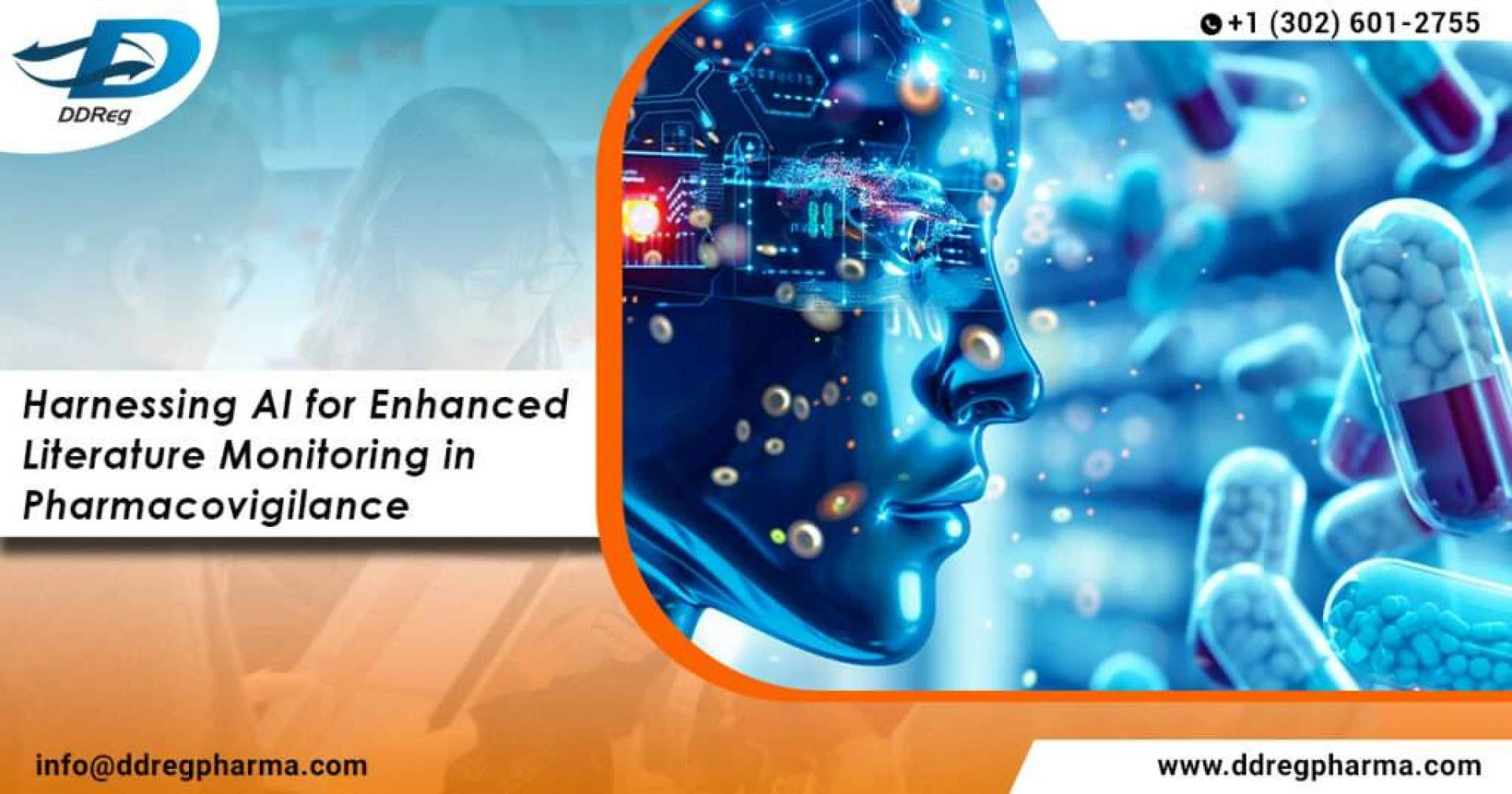
In the rapidly evolving landscape of pharmaceutical safety, integrating Artificial Intelligence (AI) into literature monitoring in pharmacovigilance processes has become necessary. It involves ongoing monitoring and assessment of adverse drug reactions (ADRs), and other potential risks associated with medicinal products. A critical aspect of PV is literature monitoring, which entails reviewing scientific literature, case reports, and medical journals to gather new information on ADRs and safety signals. AI, with its advanced capabilities in machine learning, natural language processing, and text mining, offers a transformative approach to literature monitoring. AI can process and analyze extensive datasets with speed and precision. This technological advancement not only enhances the efficiency of literature monitoring but also significantly improves its accuracy, ensuring that potential safety signals are identified more promptly and reliably.
How is AI Changing Pharmacovigilance Literature Monitoring?
The role of AI in literature monitoring is increasing, as it offers advanced solutions to the challenges faced by traditional methods. AI encompasses various technologies such as machine learning (ML) and natural language processing (NLP), which can be leveraged to improve literature monitoring processes.
Automated literature screening: AI can scan and filter vast amounts of scientific literature, identifying articles and studies utilizing algorithms that recognize keywords and drug-related terminology. This reduces the manual workload and ensures a more comprehensive review.
Data extraction: Natural learning processing (NLP) algorithms efficiently analyze medical texts, extracting critical information like drug names and adverse events, saving time by flagging only relevant publications.
Continuous monitoring: AI tools can automate the process of reviewing scientific literature for drug safety information by scanning and analyzing publications. This helps identify relevant findings quickly and categorizes new literature, saving time to prioritize information. Continuous monitoring systems are integrated with existing databases and workflows, ensuring a seamless flow of information from data collection to reporting and decision-making.
Predictive analytics: Predictive analytics in PV uses statistical methods, ML, and AI to predict future adverse drug reactions and identify potential safety issues. It uses historical data to predict events, particularly in literature monitoring, based on trends and patterns identified in the literature.
For More read our Blog post - https://resource.ddregpharma.com/blogs/harnessing-ai-for-enhanced-literature-monitoring-in-pharmacovigilance/
To get the daily updates, follow us on:
Facebook — https://www.facebook.com/DDReg
LinkedIn — https://www.linkedin.com/company/ddregpharma/
Twitter — https://x.com/DDRegPharma
Instagram — https://www.instagram.com/ddregpharma/