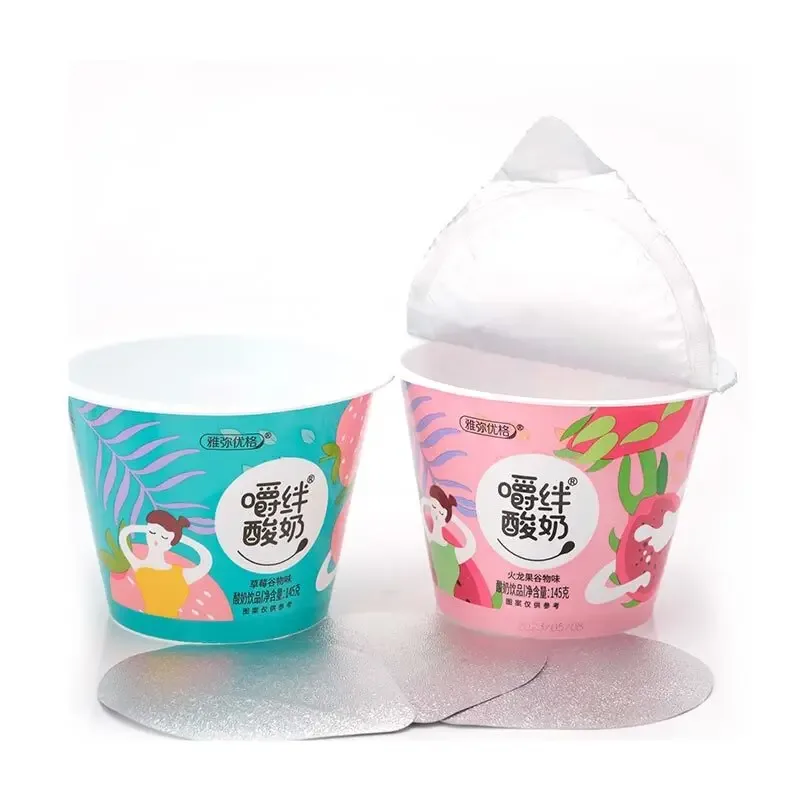
Every packaged product is under constant attack, though the assailants are invisible. Oxygen in the air seeks out fats and vitamins and slowly degrades them. Moisture drifts in and out of packaging, turning crisp textures soggy and encouraging microbial growth. Light adds its own damage to the mix. The lid on a cup or tray is the thinnest line of defence against all of this, and its barrier performance often determines whether a product reaches the customer in perfect condition or arrives tired and stale. HARDVOGUE manufactures aluminium lidding foil with barrier protection as its central purpose, and understanding how that protection works reveals why material choice matters so much.
The Twin Threats of Oxygen and Moisture
Oxygen and moisture cause different kinds of harm, and both are relentless. Oxidation attacks fats, causing rancidity in nuts, snacks, and dairy products, and it degrades sensitive vitamins and pigments, dulling colour and reducing nutritional value. Moisture moves in the opposite direction for many dry products, migrating inward to soften biscuits and powders, while moist products lose water to the surrounding air and dry out. In pharmaceutical applications, both threats can compromise the stability of active ingredients, shortening shelf life and creating regulatory risk. A lid that fails to block these two agents, even slightly, allows damage to accumulate quietly over weeks and months until the product is no longer fit to sell.
Why Aluminium Is an Absolute Barrier
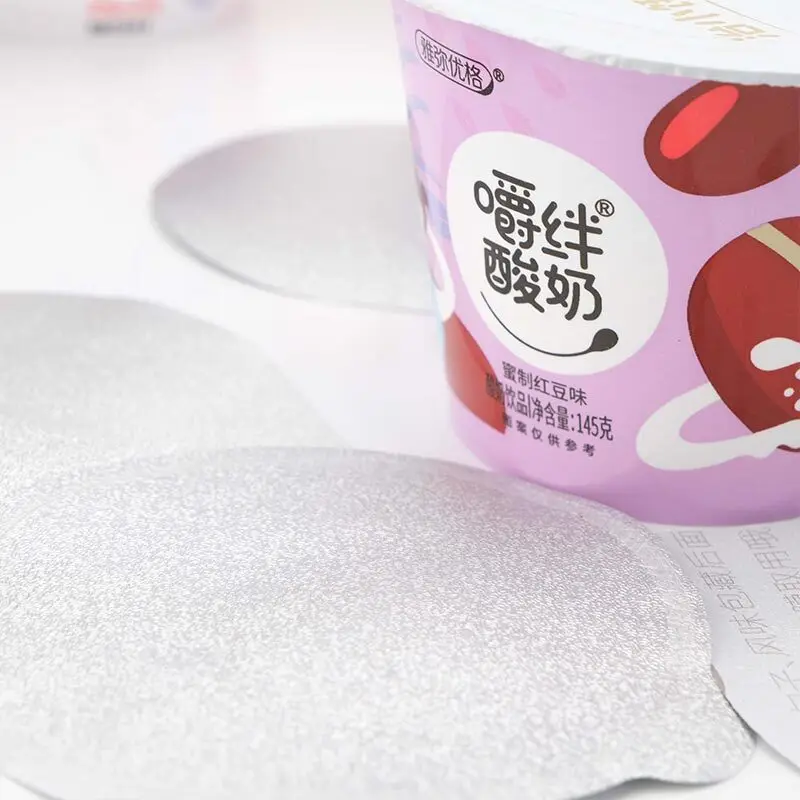
Many packaging materials slow the transmission of gases and vapour, but aluminium stops it. A continuous aluminium layer is essentially impermeable to oxygen, moisture, and light, which is why it has been trusted for decades in the most demanding applications. Plastic films, by contrast, allow measurable amounts of oxygen and water vapour to pass through over time, and even multilayer structures have limits. HARDVOGUE's foils exploit aluminium's inherent density and integrity, and the company guards that integrity fiercely during production, because a barrier is only as good as its weakest point.
The Pinhole Problem and How It Is Controlled
For all its strength, aluminium foil has a vulnerability that manufacturers must respect: pinholes. These microscopic perforations can form during rolling, handling, or converting, and a single pinhole can undermine the barrier performance of an entire lid. HARDVOGUE controls this risk through careful attention to raw material quality, rolling practice, and inspection. Gauges are selected with pinhole resistance in mind, since thinner foils are more susceptible to perforation, and finished material is checked to confirm that barrier integrity survives the converting process. For products with long shelf lives or high sensitivity, this discipline is not optional but fundamental to the promise the packaging makes.
Lacquer and Coating Choices That Support the Barrier
While aluminium provides the barrier, the coatings around it must not compromise that function. Seal lacquers are formulated to bond firmly to containers without introducing pathways for moisture or oxygen, and topcoats are designed to protect the metal surface during handling and printing. HARDVOGUE develops these coatings with barrier performance in mind, testing finished structures rather than assuming that a good foil remains good after lacquering and printing. The interaction between layers matters, and small formulation choices can make the difference between a lid that holds its protection for months and one that begins to leak performance within weeks.
Testing Barrier Performance Before It Reaches the Market
Claims about barrier protection mean little without evidence, and HARDVOGUE validates its foils through practical testing. Finished structures are assessed for pinhole presence and overall integrity, and customers can request support in conducting shelf-life trials with their actual products. These trials matter because barrier performance interacts with the product itself; a moist product places different demands on a seal than a dry one, and a fatty product behaves differently again. By combining material testing with real-product validation, HARDVOGUE helps customers build shelf-life claims on solid ground rather than optimistic assumptions.
Real-World Consequences of Getting It Right
The value of barrier protection becomes clearest when it works as intended. A yogurt reaches the customer tasting fresh after weeks in the chiller. A coffee capsule retains its aroma until the moment of brewing. A blister pack keeps a tablet stable through a long journey and a year on the pharmacy shelf. These outcomes are not accidents but the result of matching an absolute barrier material to the specific demands of each product and sealing it properly. HARDVOGUE sees its role as protecting that chain of freshness, from filling line to final use, through foil that performs consistently and coatings that support rather than undermine the metal's natural strengths.
Choosing Barrier Protection With Confidence
Barrier protection is easy to promise and harder to deliver, especially at scale and across varied products. The variables are numerous, from foil gauge to lacquer formulation to sealing conditions, and each one can affect how well oxygen and moisture are kept at bay. HARDVOGUE's approach is to treat barrier performance as a system property, developed through careful material selection, controlled production, and validation against real products. Customers who take this view, rather than treating the lid as a commodity purchase, find that their products arrive fresher, their shelf lives hold up, and their packaging quietly earns the trust placed in it. That is the practical meaning of barrier protection, and it is what HARDVOGUE works to deliver every day.