
Are you looking at your outdoor space and wondering how to transform it from ordinary to extraordinary? If you've been dreaming of creating a beautiful, functional landscape that requires minimal maintenance while adding significant value to your property, hardscaping might be the perfect solution you've been searching for.
Many homeowners focus solely on plants, grass, and flowers when planning their outdoor spaces, but they're missing a crucial element that can truly elevate their landscape design. Hardscaping - the use of non-living elements like stone, concrete, and wood - provides the foundation and structure that makes outdoor spaces both beautiful and highly functional.
The beauty of hardscaping lies in its versatility and permanence. Unlike plants that require seasonal care, watering, and replacement, hardscape features provide year-round structure and beauty to your outdoor space. They create defined areas for entertaining, relaxation, and outdoor living while requiring minimal ongoing maintenance.
Whether you're planning a complete landscape overhaul or looking to add specific functional elements to your existing outdoor space, understanding hardscaping principles and possibilities will help you create a landscape that perfectly balances beauty, functionality, and sustainability. In this comprehensive guide, you'll discover everything you need to know about hardscaping and how to incorporate these elements into your own outdoor oasis.
What Exactly Is Hardscaping?
Hardscaping refers to the non-living, structural elements in landscape design. These are the "hard" materials that provide framework, functionality, and permanent beauty to your outdoor space. Think of hardscaping as the bones of your landscape - the foundation upon which everything else is built.
The Foundation of Great Landscape Design
While soft-scaping includes all the living elements like plants, trees, flowers, and grass, hardscaping encompasses everything else. These elements work together to create balanced, functional outdoor spaces that serve multiple purposes throughout the year.
Hardscaping provides structure and definition to your landscape, creating clear boundaries between different areas and establishing focal points that draw the eye. Without these structural elements, even the most beautiful garden can lack cohesion and purpose.
Common Hardscaping Elements
Hardscaping includes a wide variety of features that can be incorporated into any landscape design:
Patios and Decks: These create outdoor living spaces perfect for entertaining, dining, or relaxation. They provide flat, stable surfaces that extend your home's living space into the outdoors.
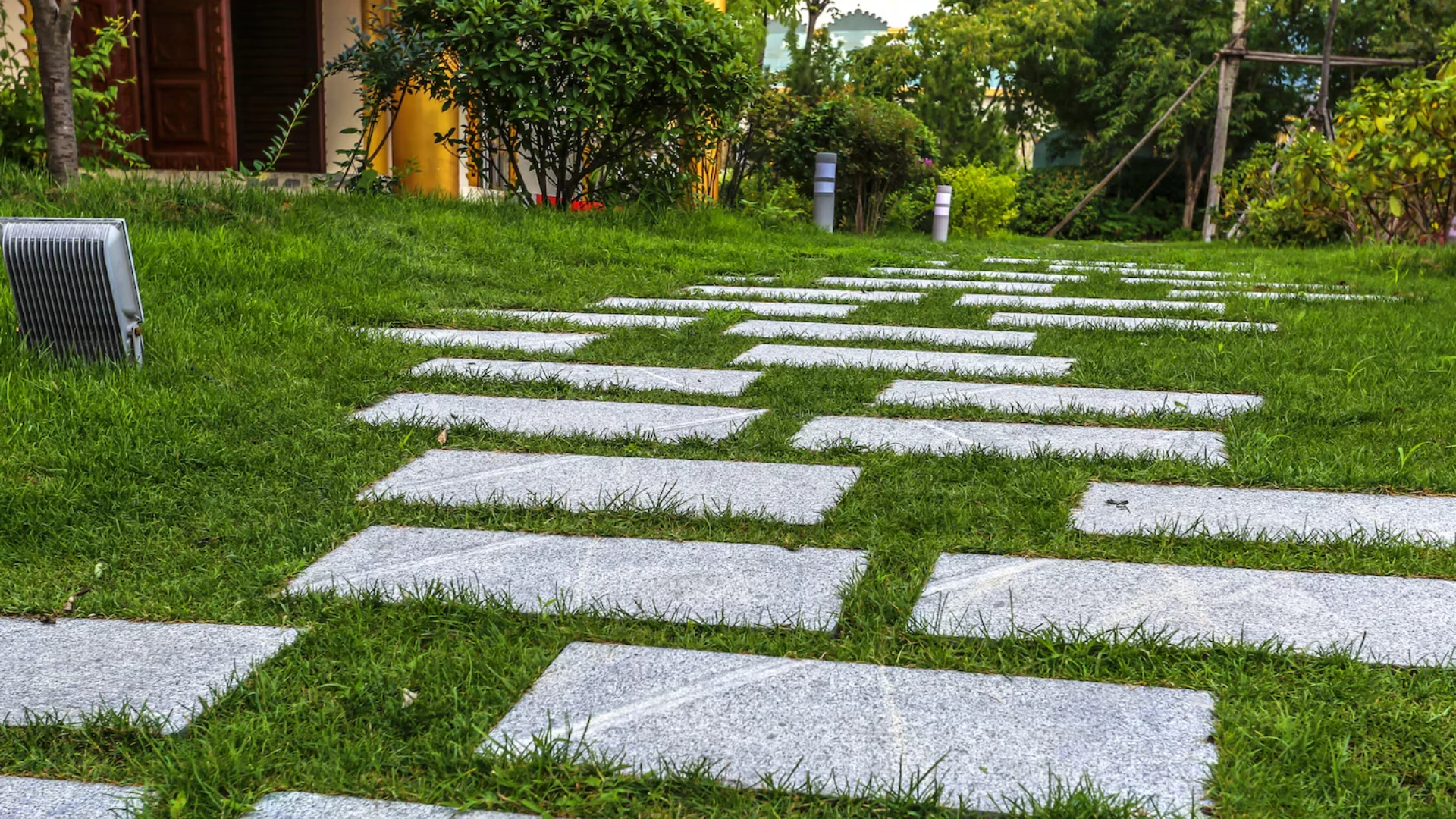
Walkways and Pathways: These guide movement through your landscape while protecting your lawn and garden beds from foot traffic. They can be functional, decorative, or both.
Retaining Walls: These serve both practical and aesthetic purposes, preventing soil erosion while creating terraced planting areas and visual interest.
Fire Features: Fire pits and outdoor fireplaces create gathering spots and extend the usable season of your outdoor space.
Water Features: Fountains, ponds, and waterfalls add movement, sound, and visual interest to your landscape.
Outdoor Structures: Pergolas, gazebos, and arbors provide shade, define spaces, and support climbing plants.
Driveways and Parking Areas: These essential functional elements can be designed to complement your overall landscape aesthetic.
The Many Benefits of Hardscaping
Understanding the advantages of incorporating hardscaping into your landscape design helps you appreciate why these elements are essential for creating truly exceptional outdoor spaces.
Low Maintenance, High Impact
One of the most significant benefits of hardscaping is its minimal maintenance requirements. Unlike lawns that need regular mowing, watering, and fertilizing, or flower beds that require seasonal planting and care, hardscape features maintain their beauty with minimal ongoing attention.
Once properly installed, elements like stone patios, concrete walkways, and retaining walls can last for decades with only occasional cleaning and minor maintenance. This makes hardscaping an excellent investment for busy homeowners who want beautiful outdoor spaces without the constant upkeep.
Year-Round Beauty and Functionality
Hardscape features provide structure and visual interest throughout all seasons. While plants may go dormant in winter or lose their appeal during certain times of year, hardscaping elements maintain their beauty and functionality regardless of weather or season.
This consistent appeal means your landscape always looks intentional and well-designed, even during times when plant materials aren't at their peak.
Increased Property Value
Well-designed hardscaping can significantly increase your property's value and curb appeal. Features like attractive patios, professional walkways, and beautiful retaining walls are viewed as permanent improvements that add both functional and aesthetic value to your home.
Real estate professionals consistently report that quality hardscaping improvements provide excellent return on investment, often recouping 70-80% of their cost in increased property value.
Enhanced Functionality
Hardscaping creates usable outdoor spaces that extend your home's living area. A well-designed patio becomes an outdoor room perfect for entertaining, while walkways provide safe, attractive routes through your landscape.
These functional improvements make your outdoor space more livable and enjoyable, encouraging you and your family to spend more time outside.
Improved Drainage and Erosion Control
Many hardscaping elements serve important practical functions beyond their aesthetic appeal. Retaining walls prevent soil erosion on sloped properties, while properly designed patios and walkways can help direct water away from your home's foundation.
These practical benefits protect your property while enhancing its beauty, making hardscaping both a smart and attractive investment.
Reduced Water Usage
In areas where water conservation is important, hardscaping can significantly reduce your landscape's water requirements. By replacing high-maintenance lawn areas with attractive hardscape features, you can create beautiful outdoor spaces that require minimal irrigation.
This environmental benefit also translates to lower water bills and reduced maintenance time.
Types of Hardscaping Features
Understanding the various types of hardscaping features available helps you envision how these elements might work in your own landscape design.
Patios: Outdoor Living Rooms
Patios are among the most popular hardscaping features because they create dedicated outdoor living spaces. These flat, paved areas can accommodate outdoor furniture, grills, and entertainment areas, essentially creating outdoor rooms.
Material Options: Patios can be constructed from various materials including natural stone, concrete pavers, brick, or poured concrete. Each material offers different aesthetic and practical benefits.
Design Flexibility: Patios can be designed in any shape or size to fit your space and needs. They can be simple rectangular areas or complex designs with multiple levels and integrated features.
Walkways and Pathways: Guiding Movement
Walkways serve both practical and aesthetic purposes, providing safe passage through your landscape while protecting planted areas from foot traffic.
Functional Benefits: Well-designed walkways prevent soil compaction in garden beds and provide safe, stable surfaces for walking, even in wet conditions.
Design Opportunities: Walkways can be straight and formal or curved and naturalistic, depending on your landscape style. They can incorporate different materials, patterns, and widths to create visual interest.
Retaining Walls: Form Meets Function
Retaining walls are essential for managing slopes and preventing erosion while creating opportunities for terraced planting and visual interest.
Practical Applications: These structures hold back soil on sloped properties, preventing erosion and creating flat, usable spaces.
Aesthetic Value: Retaining walls can be designed as attractive landscape features that add texture, height variation, and visual interest to your outdoor space.
Water Features: Adding Movement and Sound
Water features bring life and tranquility to outdoor spaces through the sight and sound of moving water.
Fountain Options: From simple bubbling fountains to elaborate tiered designs, fountains can fit any space and budget.
Pond and Stream Features: Larger water features can create dramatic focal points and support aquatic plants and wildlife.
Fire Features: Extending Outdoor Season
Fire features create gathering spots and allow you to enjoy your outdoor space even in cooler weather.
Fire Pits: These can be simple, portable units or elaborate built-in features that become permanent landscape focal points.
Outdoor Fireplaces: More substantial fire features that can anchor outdoor living areas and provide significant warmth and ambiance.
Outdoor Structures: Creating Defined Spaces
Structures like pergolas, gazebos, and arbors provide vertical elements that define spaces and create opportunities for climbing plants.
Shade and Shelter: These structures provide relief from sun and weather while creating intimate outdoor rooms.
Plant Support: Many outdoor structures serve dual purposes, providing architectural interest while supporting climbing vines and other plants.
Planning Your Hardscaping Project
Successful hardscaping requires careful planning to ensure that all elements work together harmoniously and serve your specific needs.
Assessing Your Space and Needs
Before beginning any hardscaping project, take time to carefully evaluate your outdoor space and consider how you want to use it.
Site Analysis: Walk through your property at different times of day to understand sun patterns, drainage issues, and natural traffic flows. Note existing features that you want to preserve or work around.
Lifestyle Considerations: Think about how you and your family use your outdoor space. Do you entertain frequently? Do you need play areas for children? Do you want quiet spaces for relaxation?
Future Planning: Consider how your needs might change over time and design flexibility into your hardscaping plan.
Setting Realistic Budgets
Hardscaping projects can range from simple DIY installations to elaborate professional designs. Understanding cost factors helps you plan appropriately.
Material Costs: Different materials have vastly different costs. Natural stone is typically more expensive than concrete, while elaborate custom work costs more than standard installations.
Labor Considerations: Some hardscaping projects are suitable for DIY installation, while others require professional expertise and equipment.
Phased Implementation: Large hardscaping projects can often be completed in phases, allowing you to spread costs over time while ensuring each phase is properly completed.
Design Principles for Success
Good hardscaping design follows established principles that ensure attractive, functional results.
Scale and Proportion: Hardscape features should be appropriately sized for your space and home. Oversized features can overwhelm small spaces, while undersized elements may look insignificant.
Unity and Cohesion: All hardscape elements should work together stylistically, using complementary materials, colors, and design themes.
Balance: Distribute visual weight throughout your landscape to create pleasing compositions that don't feel lopsided or overwhelming.
Focal Points: Use hardscape features to create focal points that draw attention and provide visual anchors for your landscape design.
Incorporating Hardscaping Into Your Existing Landscape
Adding hardscaping to an established landscape requires careful consideration to ensure new elements integrate seamlessly with existing features.
Working With Existing Plants
When adding hardscaping to landscapes with established plantings, plan carefully to minimize disruption to healthy, mature plants.
Root Protection: Be aware of tree and shrub root systems when excavating for hardscape installations. Damage to major roots can harm or kill established plants.
Drainage Considerations: Ensure that new hardscape features don't disrupt existing drainage patterns that established plants depend on.
Design Integration: Choose hardscape materials and designs that complement your existing plant palette and overall landscape style.
Phased Installation Approach
Installing hardscaping in phases allows you to minimize disruption while ensuring each element is properly integrated.
Priority Features: Start with the most important or foundational elements, such as main pathways or primary patio areas.
Seasonal Timing: Plan installations during seasons when disruption to plants and outdoor activities is minimized.
Access Considerations: Plan the sequence of installations to maintain access to your home and preserve existing landscape features.
Maintenance During Installation
Protect existing landscape elements during hardscaping installation to ensure they remain healthy and attractive.
Plant Protection: Use barriers and careful planning to protect plants from construction damage.
Soil Preservation: Prevent soil compaction in planted areas by restricting heavy equipment access and using protective measures.
Cleanup and Restoration: Plan for proper cleanup and restoration of any areas disturbed during installation.
Maintenance and Long-Term Care
While hardscaping requires less maintenance than softscaping, proper care ensures these features remain beautiful and functional for decades.
Routine Maintenance Tasks
Different hardscaping materials require different maintenance approaches, but most share some common care requirements.
Regular Cleaning: Periodic cleaning removes dirt, debris, and stains that can accumulate over time. This might involve pressure washing, sweeping, or specialized cleaning products.
Weed Control: Prevent weeds from growing in joints between pavers or stones through regular maintenance and appropriate treatments.
Sealant Application: Some materials benefit from periodic sealing to protect against stains, weather damage, and wear.
Seasonal Maintenance
Certain maintenance tasks are best performed seasonally to prepare hardscape features for changing weather conditions.
Winter Preparation: In cold climates, prepare hardscape features for freeze-thaw cycles and snow removal requirements.
Spring Restoration: Address any winter damage and perform deep cleaning to prepare features for the active outdoor season.
Fall Cleanup: Remove debris and perform maintenance tasks that prepare features for winter weather.
Long-Term Preservation
Proper long-term care ensures hardscape features maintain their beauty and functionality for many years.
Structural Monitoring: Regularly inspect hardscape features for signs of settling, cracking, or other structural issues that should be addressed promptly.
Professional Maintenance: Some maintenance tasks may require professional expertise, particularly for complex features or specialized materials.
Upgrade Planning: Consider how hardscape features might be updated or expanded over time to meet changing needs or preferences.
Working With Professionals vs. DIY
Deciding whether to tackle hardscaping projects yourself or hire professionals depends on various factors including complexity, budget, and your skill level.
When to Consider DIY
Some hardscaping projects are well-suited for homeowner installation, particularly if you have basic construction skills and the necessary tools.
Simple Projects: Basic walkways, simple patios, and small retaining walls may be manageable DIY projects for skilled homeowners.
Budget Considerations: DIY installation can significantly reduce project costs, though you'll need to factor in tool rental or purchase costs.
Time Investment: DIY projects typically take longer than professional installation, so consider whether you have adequate time to complete the project properly.
When Professional Help Is Essential
Complex hardscaping projects often require professional expertise to ensure proper installation and long-term performance.
Structural Requirements: Projects involving significant excavation, drainage systems, or structural elements typically require professional installation.
Permit Requirements: Many hardscaping projects require permits and inspections that are easier to navigate with professional help.
Specialized Skills: Some materials and techniques require specialized knowledge and equipment that professionals possess.
Warranty and Insurance: Professional installation often comes with warranties and insurance protection that DIY projects lack.
Choosing the Right Professionals
If you decide to hire professionals, selecting the right team is crucial for project success.
Experience and Expertise: Look for contractors with specific experience in the type of hardscaping you want to install.
Portfolio Review: Examine examples of previous work to ensure their style and quality meet your expectations.
References and Reviews: Check references and online reviews to understand other customers' experiences.
Licensing and Insurance: Verify that contractors are properly licensed and insured for your protection.
Conclusion
Hardscaping represents one of the most valuable investments you can make in your outdoor space. These permanent features provide year-round beauty, enhanced functionality, and significant property value while requiring minimal ongoing maintenance compared to traditional landscaping elements.
The key to successful hardscaping lies in thoughtful planning that considers your specific needs, site conditions, and long-term goals. Whether you're creating intimate gathering spaces, solving practical problems like drainage or erosion, or simply adding visual interest to your landscape, hardscaping offers solutions that combine beauty with functionality.
Remember that great hardscaping doesn't happen overnight. The most successful projects are those that are carefully planned, properly installed, and thoughtfully integrated with existing landscape elements. Whether you choose to tackle projects yourself or work with professionals, the investment in quality hardscaping will provide enjoyment and value for many years to come.
As you consider incorporating hardscaping into your landscape, think beyond immediate needs to envision how these permanent features will serve you and your family over time. With proper planning and execution, hardscaping can transform your outdoor space into a beautiful, functional extension of your home that you'll enjoy for decades to come.
Ready to transform your outdoor space with professional hardscaping? At Etowah Group, we specialize in creating beautiful, functional hardscape features that enhance your property's value and your quality of life. With over 60 years of experience serving Georgia homeowners, we bring expertise in design, installation, and maintenance to every project. Contact us today to discuss your hardscaping vision and discover how we can help you create the outdoor space of your dreams.