In the evolving landscape of sustainable fashion, handloom fabric continues to hold a unique place. Beyond being a textile, it represents centuries of craftsmanship, regional identity, and ethical production. As fashion designers and manufacturers increasingly value authenticity and transparency in their sourcing, handloom fabric wholesale has become a smart and sustainable choice. This article explores what makes handloom fabrics special, their cultural and environmental importance, and why designers around the world are rediscovering them.
Understanding Handloom Fabric
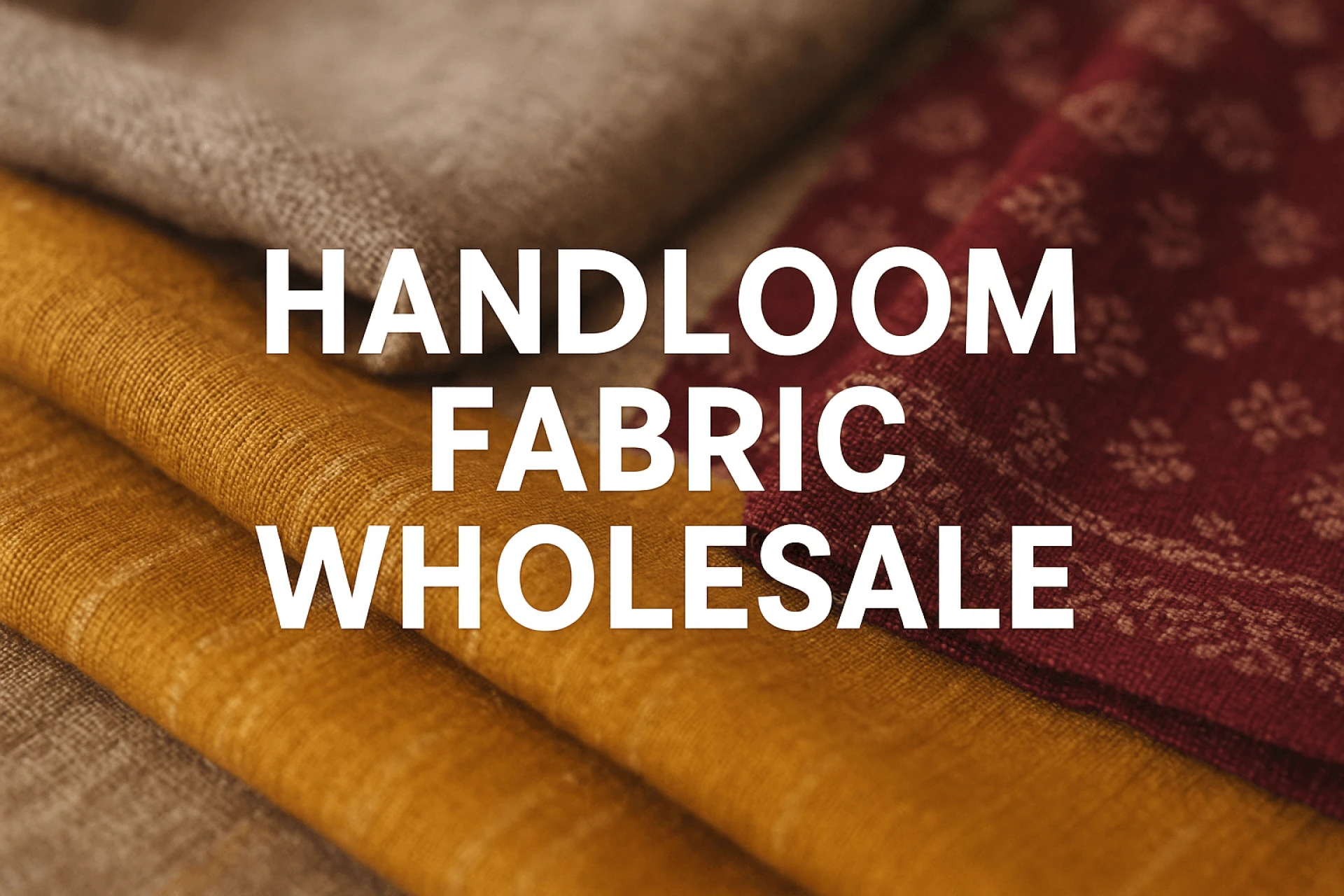
Handloom fabric is woven manually on non-automated looms, powered entirely by the skill and rhythm of the weaver. Unlike mill-made textiles, each handloom creation carries slight variations that enhance its character and exclusivity. India, one of the largest producers of handloom fabrics, offers a rich variety—from soft cottons of Bengal and Andhra Pradesh to luxurious silks from Varanasi and Assam.
Every region has its distinct weaving tradition, motifs, and dyeing techniques. This diversity allows designers to explore endless possibilities for their collections—whether minimalist modern wear or heritage-inspired couture.
Why Designers Are Turning to Handloom Fabric Wholesale
1. Authenticity and Artistic Value
Handloom fabrics are inherently unique. The weaving process ensures that no two pieces are identical, giving designers access to fabrics that stand apart from mass-produced textiles. The imperfections are not flaws—they’re the fingerprints of craftsmanship.
2. Sustainability and Eco-Conscious Sourcing
Since handlooms use minimal energy and often rely on natural fibers and dyes, their carbon footprint is remarkably low. For designers focusing on sustainable collections, choosing handloom fabric wholesale aligns with the global push toward ethical fashion and circular production models.
3. Support for Artisan Communities
The handloom sector sustains millions of skilled weavers across India. By sourcing handloom fabric in bulk, designers contribute to preserving traditional livelihoods and keeping regional crafts alive for future generations. This connection between designers and artisans fosters a responsible, people-centered supply chain.
4. Diversity in Weaves and Textures
From the light cotton of Chanderi to the intricately patterned Ikat and the richly textured Khadi, handloom fabrics offer vast design possibilities. Each weave reflects regional artistry and history, allowing designers to integrate storytelling into their collections.
5. Adaptability for Contemporary Fashion
While handloom textiles have deep traditional roots, they are also highly adaptable to modern fashion. Today, we see blends of handloom cotton and silk used in contemporary silhouettes, resort wear, and global haute couture. The versatility of these fabrics makes them a timeless choice for both heritage and modern design lines.
The Evolution of Handloom Fabric in Global Fashion
Over the past decade, handloom fabrics have gained recognition in international fashion circuits. Luxury and independent designers alike have begun to feature them in collections showcased in Paris, London, and New York. Global consumers are responding positively to products that combine authenticity, craftsmanship, and responsible sourcing.
The rise of wholesale handloom suppliers has made it easier for brands to access consistent quality and scale while retaining the authenticity of artisan-made fabrics. Additionally, digital marketplaces now allow buyers to explore collections and buy handloom online directly from
Indian suppliers and cooperatives.
The Cultural and Economic Impact of Handloom Fabrics
According to the Ministry of Textiles (Government of India), the handloom sector is one of the largest cottage industries in the country, employing over 3.5 million weavers and artisans. This sector contributes significantly to rural economies and preserves the intangible cultural heritage of weaving communities.
When international designers and manufacturers source handloom fabrics wholesale, they indirectly support these communities. Each bulk purchase creates a ripple effect—sustaining employment, promoting fair trade, and ensuring traditional weaving skills continue to thrive in a modern market.
Challenges and Opportunities in Handloom Wholesale
Despite its strengths, the handloom industry faces challenges such as inconsistent production capacity and limited access to global markets. However, initiatives by Indian cooperatives, sustainable fashion platforms, and textile clusters are addressing these issues by standardizing quality and improving logistics.
Exporters and wholesalers now play a crucial role in bridging artisans with international buyers. They ensure that the handmade integrity of each fabric is preserved while meeting the volume and quality requirements of global supply chains.
Choosing the Right Handloom Fabric Supplier
When sourcing handloom fabric wholesale, designers should consider:
- Authenticity: Work with suppliers who collaborate directly with weavers.
- Quality Assurance: Evaluate consistency in weave, colorfastness, and fabric finish.
- Sustainability Practices: Ensure suppliers follow environmentally responsible dyeing and sourcing.
- Transparency: Choose partners who provide traceability about the origin of the fabric.
By aligning with credible suppliers, designers can integrate authenticity into their collections while maintaining professional supply standards.
The Future of Handloom Fabrics in Design
The future of handloom lies in innovation—where traditional techniques meet modern design sensibilities. With advancements in digital marketing and sustainable trade, the handloom industry is gaining renewed visibility and appreciation worldwide.
For designers, sourcing handloom fabric wholesale is more than a procurement decision—it’s a creative and ethical statement. It demonstrates a commitment to responsible fashion and a deeper connection to the artistry behind every thread.
Conclusion
Handloom fabrics embody a rare blend of artistry, sustainability, and cultural significance. As the world of fashion continues to shift toward authenticity and ethical production, these textiles offer both creative inspiration and a meaningful impact.
By choosing handloom fabric wholesale, designers not only access diverse, high-quality textiles but also become part of a movement that values heritage, people, and the planet.