
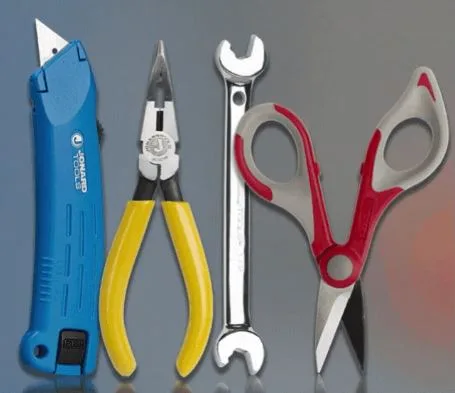
In every industry where precision, reliability, and craftsmanship matter, hand tools remain an essential part of the job. Whether you are an electrician, telecom technician, HVAC installer, maintenance professional, or DIY enthusiast, the right tools help you work more efficiently and safely. While power tools have transformed many tasks, manual tools continue to play a critical role in applications that require accuracy, control, and portability.
Choosing professional tools is about more than convenience; it's an investment in quality workmanship, long term durability, and consistent performance. From cutting and gripping to fastening and measuring, professional grade hand tools are designed to withstand demanding environments while helping users complete tasks with confidence.
This guide explores the importance of hand tools, the most common types, their applications, and what to consider when selecting tools for professional use.
What Are Hand Tools?
Hand tools are manually operated devices used for construction, repair, installation, maintenance, and manufacturing tasks. Unlike powered equipment, they require no electricity or batteries, making them dependable for work in virtually any environment.
Professional technicians rely on hand tools because they provide better control for delicate tasks, reduce setup time, and allow work to continue even in locations without power access.
Today, industries including telecommunications, networking, electrical, aerospace, automotive, and industrial maintenance all depend on high quality hand tools to complete everyday jobs efficiently.
Why Professional Hand Tools Matter
Not all tools are built the same. While standard consumer grade tools may work for occasional projects, professionals require equipment that performs consistently under heavy daily use.
Using professional tools hand tools offers several important benefits:
- Increased durability for demanding job sites
- Greater precision during installation and repairs
- Improved user comfort with ergonomic designs
- Better grip and control
- Reduced maintenance costs
- Enhanced workplace safety
Investing in premium tools often results in faster job completion and fewer tool replacements over time.
Essential Types of Hand Tools
Every technician's toolbox contains a combination of tools designed for specific tasks. Understanding their functions helps ensure the right tool is always available.
Screwdrivers
Screwdrivers are among the most frequently used hand tools. They are available in multiple tip styles, including:
- Phillips
- Flathead
- Torx
- Hex
- Precision drivers
Professional screwdrivers feature hardened tips, comfortable handles, and high torque strength for repeated use.
Pliers
Pliers are designed for gripping, bending, twisting, and cutting wire or small components.
Popular varieties include:
- Needle nose pliers
- Long nose pliers
- Combination pliers
- Diagonal cutting pliers
- Slip joint pliers
- Lineman's pliers
Different jaw designs allow technicians to work in tight spaces while maintaining excellent control.
Cable Cutters
Cable cutters provide clean, accurate cuts on copper, aluminum, and communication cables.
High quality cutters help prevent cable deformation while reducing the force required during cutting.
Wire Strippers
Wire stripping tools remove insulation without damaging conductors.
They're widely used in:
- Electrical installations
- Network cabling
- Telecommunications
- Control systems
Precision stripping improves termination quality and reduces wiring errors.
Wrenches
Manual wrenches tighten or loosen nuts and bolts across numerous applications.
Common types include:
- Adjustable wrenches
- Combination wrenches
- Open end wrenches
- Box end wrenches
- Torque wrenches
Selecting the correct wrench prevents fastener damage and ensures proper tightening.
Utility Knives
Utility knives are versatile cutting tools used for trimming cable jackets, packaging materials, insulation, and other job site materials.
Replaceable blades ensure clean, efficient cutting.
Hand Tools Used in Telecommunications
Telecommunications professionals rely heavily on specialized hand tools to install and maintain communication infrastructure.
Common telecom applications include:
- Copper cable termination
- Fiber optic preparation
- Connector installation
- Punch down operations
- Cable routing
- Equipment maintenance
Because telecom systems often involve confined spaces and sensitive components, precision hand tools are essential.
Hand Tools for Networking Professionals
Network installation requires careful cable preparation and connector assembly.
Networking technicians frequently use:
- Crimping tools
- Cable cutters
- Wire strippers
- Punch down tools
- Precision screwdrivers
- Connector installation tools
Reliable hand tools help ensure network cables meet performance standards while minimizing installation errors.
Industrial and Electrical Applications
Professional hand tools are used in numerous industries beyond networking and telecommunications.
Examples include:
Electrical Work
Electricians use insulated hand tools for installing switches, breakers, outlets, and electrical panels while maintaining safety around energized equipment.
HVAC Systems
HVAC technicians rely on pliers, cutters, wrenches, and screwdrivers during equipment installation and maintenance.
Manufacturing
Assembly lines require precision tools for fastening components, adjusting machinery, and quality control.
Automotive Repair
Mechanics use durable hand tools for repairs, diagnostics, and maintenance on engines, suspension systems, and electrical components.
Features to Look for in Professional Hand Tools
Selecting quality tools improves productivity and long term performance.
Durable Construction
Look for tools manufactured from hardened steel or premium alloy materials that resist wear, corrosion, and deformation.
Ergonomic Handles
Comfortable grips reduce hand fatigue during extended work sessions while improving control.
Precision Engineering
Accurate manufacturing ensures better fit, smoother operation, and more reliable performance.
Corrosion Resistance
Protective coatings help tools withstand moisture, chemicals, and harsh working conditions.
Long Service Life
Professional tools should deliver dependable performance over years of regular use.
Benefits of High Quality Hand Tools
Using professional grade equipment offers advantages that extend beyond convenience.
Greater Productivity
Reliable tools help technicians complete tasks more quickly without sacrificing accuracy.
Improved Safety
Well designed tools reduce slipping, improve grip, and lower the risk of workplace injuries.
Better Results
Precision tools create cleaner cuts, tighter connections, and more accurate installations.
Lower Long Term Costs
Although premium tools may have a higher initial cost, they generally require fewer replacements and repairs.
Increased Reliability
Consistent performance helps professionals maintain quality standards across every project.
Maintaining Your Hand Tools
Proper maintenance extends the life of professional tools while ensuring dependable operation.
Best practices include:
- Clean tools after each use.
- Store them in a dry toolbox or carrying case.
- Lubricate moving parts when necessary.
- Inspect cutting edges regularly.
- Replace worn or damaged tools promptly.
- Protect tools from moisture and corrosive chemicals.
Routine maintenance helps preserve tool performance and improves workplace safety.
Building a Professional Tool Kit
Every technician's requirements differ, but a complete hand tool kit typically includes:
- Screwdrivers
- Pliers
- Wire strippers
- Cable cutters
- Adjustable wrench
- Precision knife
- Hex keys
- Crimping tools
- Measuring tape
- Inspection flashlight
- Tool pouch or carrying case
A well organized toolkit allows professionals to respond efficiently to a wide range of installation and maintenance tasks.
Choosing the Right Hand Tools for Your Industry
Before purchasing tools, consider:
- The type of work performed daily
- Materials being handled
- Required precision
- Safety standards
- Frequency of use
- Comfort during prolonged operation
Professionals who use their tools every day benefit most from equipment designed specifically for demanding industrial applications.
Conclusion
Quality hand tools remain indispensable across industries ranging from telecommunications and networking to electrical work, manufacturing, and maintenance. They provide the precision, durability, and reliability professionals need to perform complex tasks efficiently.
Investing in professional tools hand tools ensures better workmanship, greater safety, and long term value. Whether you are assembling network infrastructure, servicing telecom equipment, or handling everyday maintenance, the right tools make every job easier and more accurate.
By selecting durable, ergonomically designed hand tools and maintaining them properly, professionals can improve productivity, reduce downtime, and confidently tackle projects of every size. A dependable set of high quality hand tools is not just a convenience, it's the foundation of efficient, professional work.