It's essential to distinguish between temporary shock loss and permanent shock loss after a hair transplant in Delhi. In this article, we’ll first discuss temporary shock loss, followed by an explanation of permanent shock loss.
Shock loss, also known as telogen effluvium, is a common response after hair transplant surgery in Delhi. It involves the shedding of both transplanted and existing hair due to the trauma the scalp experiences during the procedure.
Let’s understand shock loss more deeply.
Hair Transplant in Delhi: Understanding Shock Loss
Hair growth occurs in four distinct stages:
Anagen (growth phase)
Catagen (transition phase)
Telogen (resting phase)
Exogen (shedding phase)
During a hair transplant, disruption in this natural hair cycle can cause shock loss or telogen effluvium, where hairs prematurely enter the telogen or exogen phases.
Hair Transplant Shock Timeline
Early Phase (Week 2 to 8)
The shedding of transplanted and native hair is commonly known as shock loss, and it’s a normal part of the hair transplant process. In the initial two weeks, everything may appear to be progressing well. However, by the end of Week 2, you may start noticing thinning, particularly in the recipient areas. Typically, by Week 4 or 5, most transplanted and some existing hairs will fall out due to shock.
According to hair transplant surgeons in Delhi, this is completely normal and nothing to be alarmed about.
Weeks 4 to 8
During this period, most transplanted hair sheds as a natural reaction to the trauma from the surgery.
Intermediate / Final Phase
Months 2–3
This marks the peak of shock loss. Transplanted hairs will likely have shed, and some native hairs may also fall out temporarily. As a result, hair density may appear lower than before the procedure. This is often referred to as the “ugly duckling” phase, a temporary period of concern for many patients.
Months 3–4
By now, shedding subsides, and new hair growth begins. The new hairs may initially be finer and lighter in color. Around Month 4, many individuals start noticing improvements and a visible shift in appearance. However, individual timelines can vary.
Does Everyone Experience Shock Loss After a Hair Transplant?
Not everyone goes through shock loss after a hair transplant in Delhi, but it’s relatively common. The extent varies and depends on several key factors:
Surgeon’s Skill: The experience and technique of the surgeon significantly influence shock loss. Skilled surgeons use advanced techniques and custom tools to reduce trauma and minimize shock loss. Precise control over angle and direction using custom-sized blades can help limit this condition.
Type of Procedure: Techniques like FUE and FUT present different risks. In FUT, temporary shock loss may occur around the incision site. If performed by an inexperienced surgeon, there’s a higher risk of permanent damage. In FUE, shock loss is influenced by the punch size and the surgeon’s precision. Poor extraction techniques and outdated equipment can lead to permanent shock loss.
What Is Permanent Shock Loss?
Permanent shock loss refers to irreversible damage caused by transection—cutting across existing hair follicles during surgery. It results from direct trauma to native hair follicles, often due to improper technique while creating recipient sites.
Key factors that help prevent permanent shock loss during a hair transplant in Delhi include:
Custom Small Blades: Smaller blades minimize damage when working among existing hair. Larger blades increase the risk of transecting nearby follicles.
Precise Angle of Incision: The incisions should follow the natural direction and angle of existing hairs. Poor angulation can sever adjacent follicles, leading to permanent loss in those areas.
Surgeon’s Expertise: A skilled hair transplant surgeon in Delhi must be well-versed in managing high-density areas and avoiding transection. Custom blade usage and careful planning are crucial. The more density you need, the more critical the expertise becomes.
Why Choose Dermalife for Hair Transplant in Delhi?
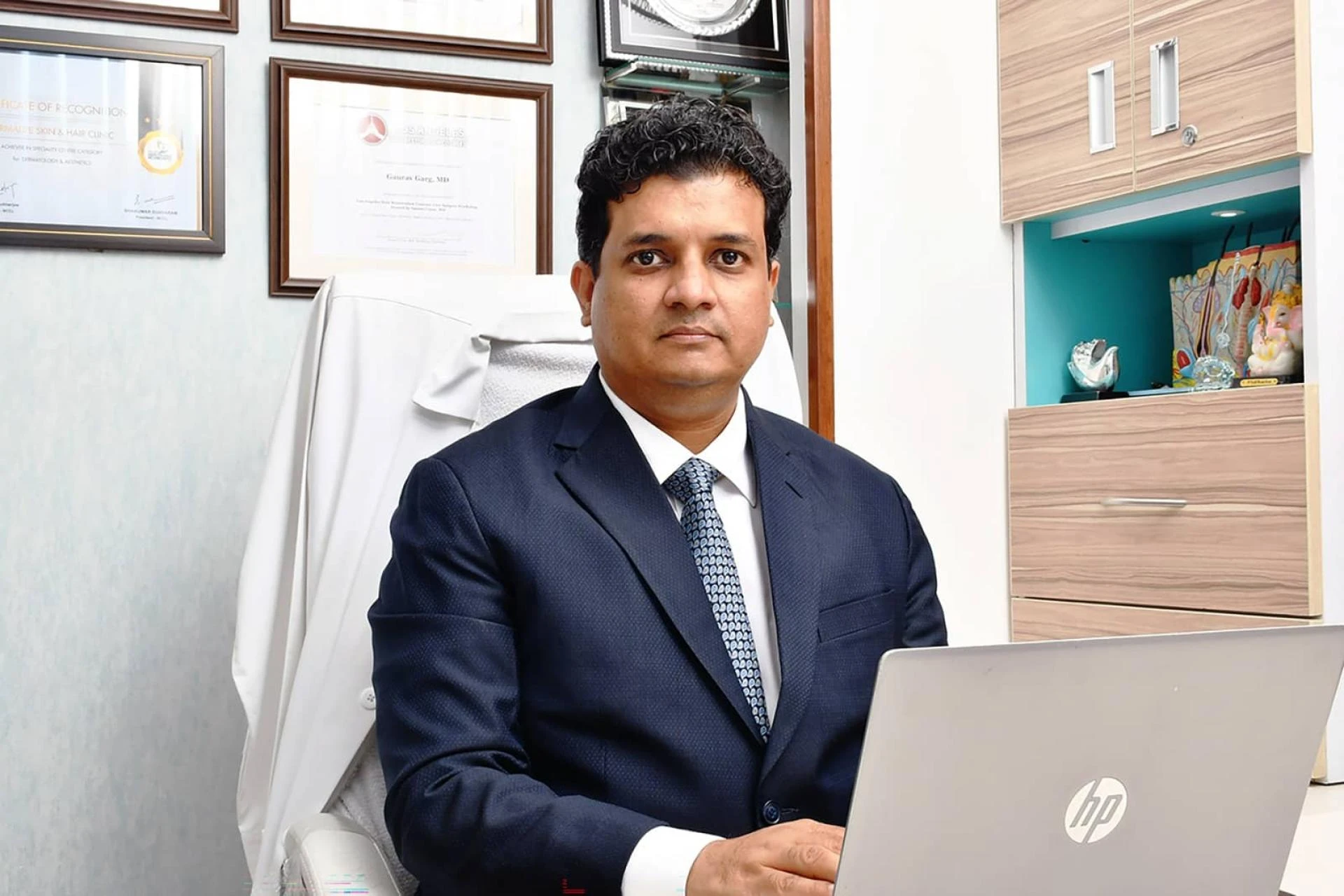
At Dermalife, we pride ourselves on being one of the most trusted names for hair transplant in Delhi. Led by Dr. Gaurav Garg, an internationally trained, highly skilled hair transplant surgeon, our clinic utilizes cutting-edge technologies and refined techniques to deliver natural, safe, and long-lasting results.
What makes Dermalife the preferred choice?
100% personalized treatment plans
Zero risk of permanent shock loss when performed correctly
Trusted by celebrities and professionals across India
Renowned for natural hairline design and high graft survival rates
Affordable hair transplant cost in Delhi
We ensure that your hair transplant journey is smooth, transparent, and confidence-boosting.
Book your consultation with Dermalife today and take the first step toward a fuller, natural-looking head of hair.