
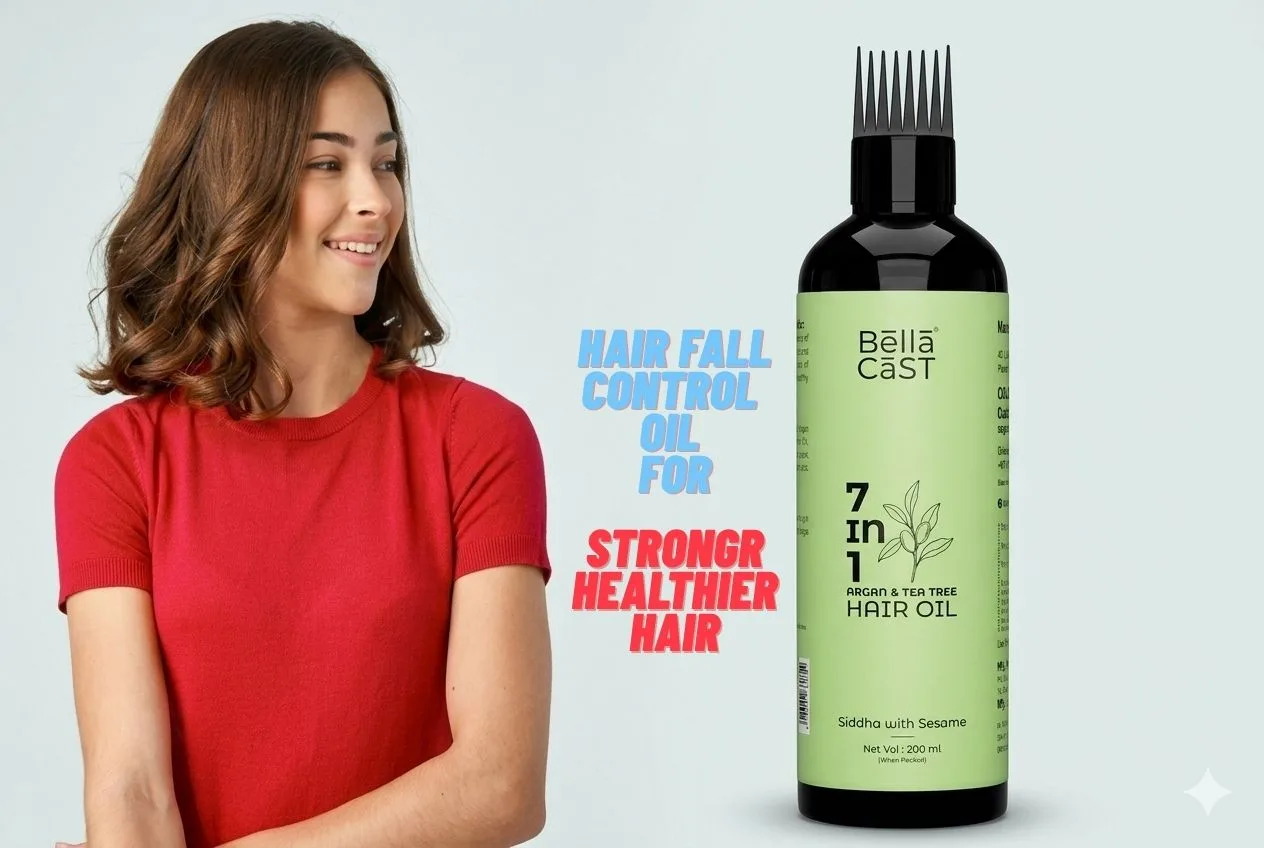
Hair fall has become a common concern due to changing lifestyles, pollution, and stress. Maintaining healthy hair requires a consistent routine supported by nourishing ingredients and proper scalp care. hair fall control oil is an essential addition to modern hair care, helping strengthen roots and improve overall hair texture.
When used regularly, oiling supports scalp nourishment and improves blood circulation. The effectiveness of hair fall control oil lies in its ability to deliver essential nutrients directly to the hair follicles, promoting stronger and healthier strands over time.
Hair Fall Control Oil Benefits And Usage Guide
Using a hair fall control oil as part of your weekly routine can significantly improve hair strength and reduce breakage. Hair is primarily made of keratin, and damage to this structure leads to weak and brittle strands. Oils enriched with natural extracts help restore this balance and protect the hair shaft.
A well-formulated hair care oil contains essential fatty acids and vitamins that deeply nourish the scalp. Scientific observations suggest that regular oil massage enhances blood circulation, which supports nutrient delivery to hair roots and encourages healthy growth.
The Science Behind Hair Strengthening Oils
Hair damage often occurs due to environmental exposure, chemical treatments, and heat styling. Oils act as protective barriers, reducing protein loss and maintaining moisture levels in the hair shaft.
Ingredients like coconut oil are known to penetrate the hair structure effectively, while herbal extracts provide additional nourishment. Antioxidants present in natural oils help combat oxidative stress caused by pollution, which is a major factor contributing to hair fall.
Using a hair fall control oil regularly supports scalp health by reducing dryness and flakiness. A healthy scalp creates the ideal environment for stronger hair growth and improved texture.
How To Use Hair Oil For Maximum Benefits
Application technique plays a crucial role in achieving the best results. Start by taking a small amount of oil and gently warming it to improve absorption. Apply it evenly to the scalp using your fingertips and massage in circular motions.
Massaging helps stimulate blood circulation, ensuring that nutrients reach the hair follicles effectively. Leave the oil on for a few hours or overnight, depending on your routine, and wash it off with a gentle cleanser.
Incorporating a hair care oil into your weekly routine ensures consistent nourishment and protection against daily damage.
Building A Complete Hair Care Routine
A balanced hair care routine includes cleansing, conditioning, and nourishment. Begin with a mild shampoo to remove dirt and excess oil without stripping natural moisture.
Follow up with conditioning to restore hydration and smoothness. Weekly oil treatments provide deeper nourishment, strengthening hair from root to tip. Consistency is key, as regular care delivers better long-term results.
Avoid excessive styling and harsh treatments that can weaken hair strands. Protecting your hair from heat and environmental damage is equally important for maintaining its health.
Lifestyle Factors That Affect Hair Health
Your lifestyle has a direct impact on hair quality. A balanced diet rich in proteins, vitamins, and minerals supports hair growth from within. Nutrients like iron and biotin are essential for maintaining hair strength.
Hydration also plays an important role. Drinking adequate water helps maintain moisture balance in the scalp and hair. Stress management is equally crucial, as high stress levels can disrupt the natural hair growth cycle.
Combining these habits with regular use of hair fall control oil ensures a holistic approach to hair care.
Seasonal Hair Care Adjustments
Different seasons bring different challenges for hair. Humid weather can lead to frizz and scalp issues, while dry conditions may cause brittleness and breakage.
Adjusting your routine based on seasonal changes helps maintain hair health. Lightweight oils are suitable for humid conditions, while richer formulations provide better nourishment during dry weather.
Regular oiling ensures that your hair remains strong, manageable, and protected throughout the year.
FAQs
1. How often should I use hair oil for best results?
Using oil two to three times a week is effective, as regular nourishment supports scalp health and reduces breakage.
2. Can oiling reduce hair fall completely?
Oiling helps reduce hair fall caused by dryness and breakage, but underlying health factors may also influence hair loss.
3. Is it necessary to leave oil overnight?
Leaving oil for a few hours is sufficient, as the scalp absorbs essential nutrients within this time.
4. Can oily scalp types use hair oil?
Yes, but lightweight formulations are recommended, as they provide nourishment without clogging pores.
5. Does oiling improve hair growth?
Oiling supports better blood circulation, which helps create a healthy environment for hair growth.
Conclusion
hair fall control oil has become a must-have in my hair care routine, and I genuinely believe it makes a visible difference when used consistently. From improving scalp health to strengthening hair strands, it offers complete nourishment that modern hair truly needs. When you combine the right routine with mindful care, achieving strong, healthy, and beautiful hair becomes effortless.