Introduction
Hair fall is one of the most common concerns seen in dermatology clinics today. While losing a small number of hairs every day is a natural part of the hair growth cycle, excessive shedding or reduced hair density may indicate an underlying condition that requires professional attention. Hair loss can affect both men and women and often influences confidence, emotional well-being, and overall quality of life.
Several factors contribute to hair fall, including genetics, hormonal imbalance, nutritional deficiencies, chronic stress, medical illnesses, scalp disorders, medications, and unhealthy lifestyle habits. Because hair loss has multiple possible causes, treatment should always begin with identifying the underlying reason rather than relying on generalized products or home remedies.
Modern dermatology provides numerous evidence-based options for managing hair loss. Depending on the diagnosis, treatment may include medical therapies, nutritional correction, scalp procedures, lifestyle modifications, and ongoing follow-up. Early intervention often provides better long-term outcomes by slowing hair loss and preserving existing follicles.
Individuals exploring hair regrowth treatment in Noida often benefit from understanding how hair grows, why excessive shedding occurs, and what measures can help restore healthier hair.
This guide discusses the causes of hair fall, available treatment options, and preventive strategies that support long-term hair health.
Understanding the Hair Growth Cycle
Healthy hair grows through a continuous cycle.
This cycle consists of three main stages.
Anagen Phase
The active growth phase.
Hair remains in this stage for several years.
Catagen Phase
Growth gradually slows as follicles prepare for resting.
Telogen Phase
Hair naturally sheds before new growth begins.
Disruption of this cycle may increase hair shedding and reduce overall hair density.
How Much Hair Loss Is Normal?
Daily hair shedding is part of the normal growth cycle.
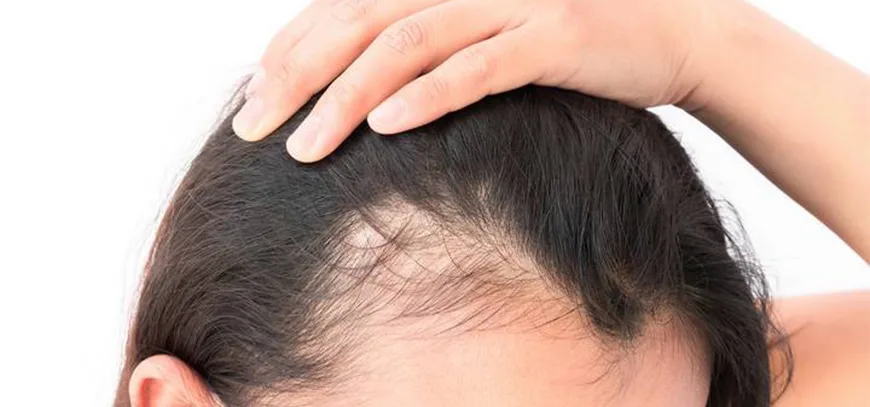
However, persistent shedding, visible scalp exposure, or progressive thinning may require professional evaluation.
Early diagnosis often improves treatment success.
Common Causes of Hair Fall
Hair loss may develop for several different reasons.
Understanding the cause is essential before beginning treatment.
Hereditary Hair Loss
Genetic hair loss is one of the leading causes of progressive thinning.
It commonly affects both men and women.
Symptoms usually develop gradually over time.
Hormonal Changes
Hormones significantly influence hair growth.
Common examples include:
- Thyroid disorders
- Pregnancy
- Menopause
- Polycystic ovarian syndrome
Treating hormonal imbalance may improve hair health.
Nutritional Deficiencies
Hair follicles require adequate nutrition.
Deficiencies involving:
- Iron
- Protein
- Zinc
- Vitamin D
- Vitamin B12
may contribute to excessive hair fall.
Balanced nutrition supports healthy hair growth.
Stress
Physical and emotional stress can temporarily disrupt the normal hair growth cycle.
Possible triggers include:
- Surgery
- Illness
- Emotional trauma
- Rapid weight loss
Hair growth often improves after recovery.
Medical Conditions
Several medical conditions may influence hair growth.
Examples include:
- Autoimmune disorders
- Chronic illnesses
- Thyroid disease
Professional evaluation helps identify these conditions.
Scalp Disorders
Healthy follicles depend upon a healthy scalp.
Conditions such as:
- Dandruff
- Scalp infections
- Inflammation
may interfere with normal hair growth if left untreated.
Hair Care Habits
Daily hair care routines also influence hair quality.
Practices that may contribute to damage include:
- Excessive heat styling
- Frequent chemical treatments
- Tight hairstyles
- Aggressive brushing
Gentle care helps reduce unnecessary breakage.
Why Early Diagnosis Matters
Hair fall is easier to manage when diagnosed early.
A comprehensive evaluation may include:
Medical History
Review of symptoms and medical conditions.
Scalp Examination
Assessment of scalp health.
Hair Density Assessment
Evaluation of thinning patterns.
Laboratory Tests
Blood investigations may identify nutritional or hormonal abnormalities.
Accurate diagnosis supports individualized treatment planning.
Treatment Options for Hair Fall
Treatment depends on the underlying cause.
Most patients benefit from personalized care plans.
Lifestyle Modifications
Healthy habits contribute to stronger hair.
Recommendations include:
- Nutritious diet
- Regular physical activity
- Stress management
- Adequate sleep
Overall health strongly influences hair growth.
Nutritional Support
Correcting nutritional deficiencies may improve hair quality.
Supplementation should be recommended only after professional evaluation.
Medical Therapies
Certain medications may reduce excessive shedding and support healthier hair growth.
Treatment recommendations vary according to diagnosis.
Professional supervision is important.
Advanced Dermatological Procedures
Modern dermatology offers several procedures designed to improve scalp health and follicle function.
Treatment selection depends on individual clinical findings.
Comprehensive Hair Management
Successful hair loss treatment usually combines medical diagnosis, appropriate therapy, nutritional support, scalp care, and long-term monitoring rather than relying on a single product or procedure.
Comprehensive management often produces more predictable outcomes.
Preventing Hair Fall
Although not every type of hair loss can be prevented, healthy habits may reduce unnecessary shedding.
Eat a Balanced Diet
Healthy hair requires:
- Protein
- Iron
- Vitamins
- Healthy fats
Balanced nutrition supports stronger follicles.
Reduce Stress
Stress management techniques include:
- Meditation
- Yoga
- Walking
- Relaxation exercises
Managing stress benefits overall health as well as hair growth.
Practice Gentle Hair Care
Helpful habits include:
- Limiting heat styling
- Avoiding harsh chemicals
- Using mild shampoos
- Reducing tight hairstyles
Protecting hair minimizes breakage.
Maintain Scalp Hygiene
Healthy scalp care supports healthy follicles.
Treat scalp conditions promptly to reduce long-term complications.
Avoid Self-Medication
Many commercial products promise unrealistic results.
Professional diagnosis helps identify evidence-based treatment options.
When Should You Visit a Dermatologist?
Professional consultation is recommended if you notice:
- Persistent hair shedding
- Progressive thinning
- Sudden hair loss
- Patchy bald areas
- Scalp irritation
Early intervention often improves long-term outcomes.
Personalized Treatment Is Essential
Every patient experiences hair loss differently.
Treatment depends on:
- Hair loss pattern
- Age
- Medical history
- Lifestyle
- Underlying diagnosis
Individualized care often provides better results.
Long-Term Hair Care
Hair health requires ongoing maintenance.
Long-term care may include:
- Healthy nutrition
- Regular follow-up
- Appropriate scalp care
- Managing underlying conditions
Consistency supports healthier hair over time.
Choosing the Right Clinic
Successful treatment begins with accurate diagnosis and expert guidance.
Many individuals visit a reputable dermatology clinic in noida because experienced dermatologists can identify the underlying causes of hair loss and develop personalized treatment plans based on each patient's scalp condition, medical history, and long-term goals.
Professional care often improves treatment outcomes.
Common Myths About Hair Fall
Several myths continue to create confusion.
Hair Washing Causes Permanent Hair Loss
Normal washing does not usually increase permanent hair loss.
Hair Oils Cure Every Type of Hair Loss
Hair oils may improve conditioning but cannot treat every underlying cause.
Hair Loss Only Happens With Age
Hair fall can occur in young adults as well.
Understanding these facts helps patients make informed decisions.
Conclusion
Hair fall is a common concern with many possible causes, including genetics, hormonal imbalance, nutritional deficiencies, stress, scalp disorders, and medical conditions. Because every patient experiences hair loss differently, accurate diagnosis is the foundation of effective treatment.
Individuals considering hair regrowth treatment in Noida should seek professional evaluation rather than depending solely on over-the-counter products. Comprehensive hair loss treatment plans that address the underlying cause often provide better long-term results than temporary cosmetic solutions.
Consulting specialists at a trusted dermatology clinic in noida allows patients to receive personalized recommendations, evidence-based therapies, and ongoing care that support healthier hair growth and improved confidence.
Frequently Asked Questions
How much hair fall is considered normal?
Moderate daily shedding is part of the normal hair growth cycle.
What causes excessive hair loss?
Common causes include genetics, hormonal imbalance, nutritional deficiencies, stress, scalp disorders, and medical conditions.
Can hair fall be reversed?
Many types of hair loss can be managed successfully when diagnosed and treated early.
When should I consult a dermatologist?
Persistent shedding, visible thinning, sudden hair loss, or scalp problems should be professionally evaluated.
Why is personalized treatment important?
Different causes require different therapies, making individualized diagnosis essential for successful long-term management.
Source: Deviantart.com