
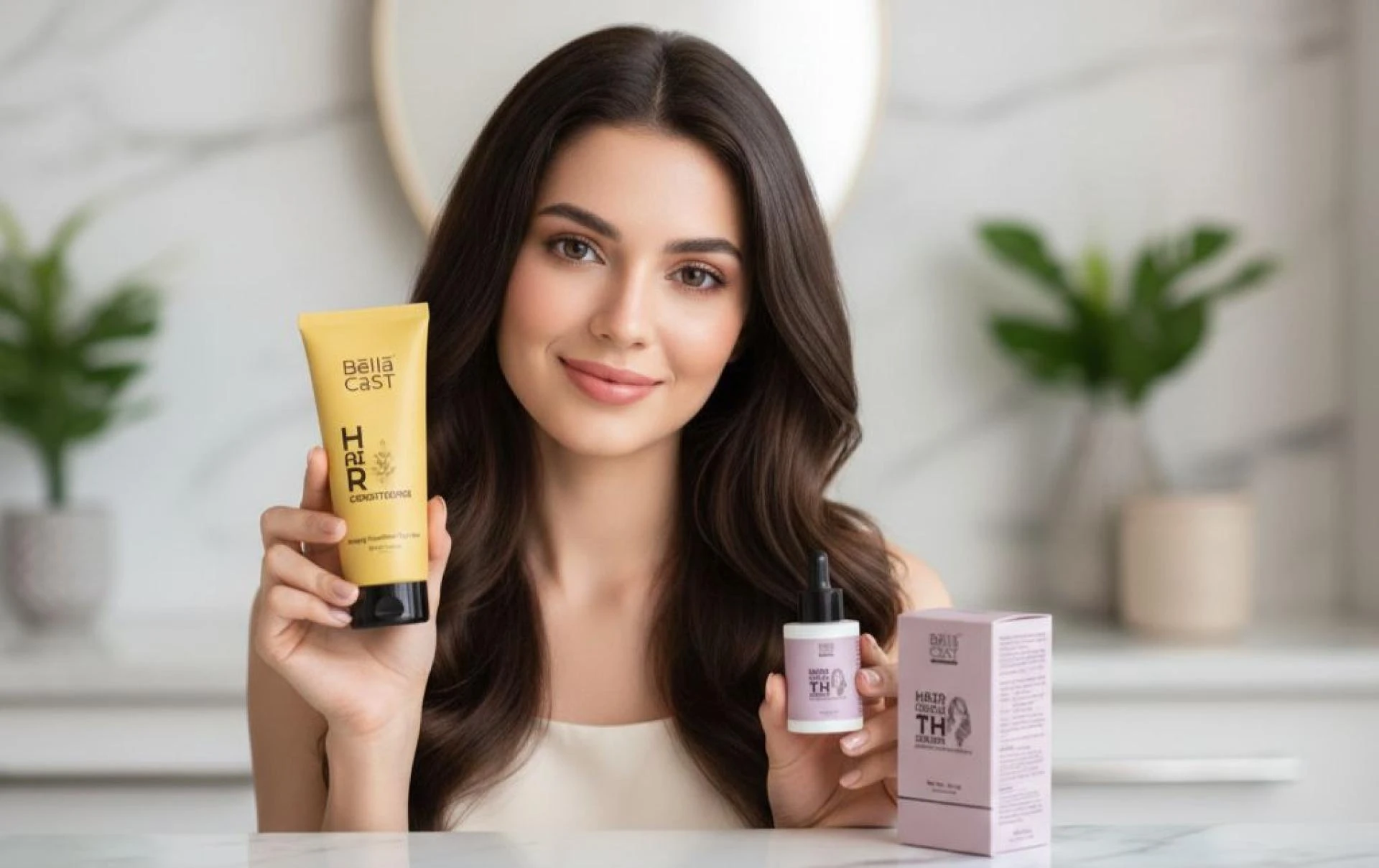
Healthy hair reflects consistent care, balanced nourishment, and the right routine suited to Indian weather and lifestyle. Daily exposure to dust, humidity, heat styling, and frequent washing can weaken hair fibres over time. This is why mindful hair routines focus not only on cleansing but also on repair and moisture balance.
In modern routines, hair care products play a vital role in protecting hair from dryness and surface damage. When chosen thoughtfully, they support smoother texture, reduced breakage, and improved manageability. Hair science explains that hair strands lose moisture easily, which directly affects shine and softness, especially in dry or frizzy hair types.
Beauty-conscious individuals today look beyond quick fixes and focus on understanding ingredients, techniques, and consistency for visible, long-term hair improvement.
How Hair Care Products Support Hair Health
Hair care products are designed to work on both the scalp and hair shaft, addressing concerns such as dryness, roughness, and loss of shine. Shampoos cleanse, while conditioners and treatments help restore moisture and smooth the cuticle layer of hair. According to hair biology research, the cuticle plays a major role in determining how smooth or frizzy hair appears.
One essential step often overlooked is conditioning. Using a conditioner for dry and frizzy hair helps replenish moisture lost during cleansing and environmental exposure. Conditioning agents coat the hair shaft, reducing friction and making hair easier to detangle.
The Science Behind Dry And Frizzy Hair
Dryness occurs when hair lacks sufficient moisture or natural oils. Frizz develops when the outer cuticle layer lifts, allowing moisture from the air to enter the hair shaft unevenly. Research shared by institutions highlights that damaged cuticles increase porosity, leading to rough texture and reduced shine.
Regular use of nourishing products helps minimise this damage. A well-formulated conditioner for dry and frizzy hair supports cuticle alignment, improving smoothness and visual shine. This step is crucial for people with naturally dry hair or those who frequently style their hair.
Balanced routines focus on hydration, gentle cleansing, and protection. When these elements work together, hair appears healthier and feels more manageable.
Building A Balanced Hair Routine
A consistent routine makes a noticeable difference in hair quality. Begin with gentle cleansing to remove dirt and buildup without stripping natural oils. Follow with conditioning focused on mid-lengths and ends, where dryness is most common.
Weekly deep conditioning or hair masks can provide additional nourishment. Hair experts explain that targeted treatments help strengthen the hair shaft and improve elasticity. Over time, this reduces breakage and split ends.
Using hair care products suited to your hair type helps maintain results across seasons. Lifestyle factors such as diet, stress, and environmental exposure also influence hair health, making holistic care important.
Choosing The Right Products For Indian Hair Types
Indian hair textures vary widely, from straight to wavy and curly, but dryness and frizz remain common concerns. Climate conditions such as humidity and hard water further affect hair quality. Selecting products that prioritise moisture retention and gentle care supports long-term results.
Ingredient awareness builds trust. Conditioning ingredients that soften and smooth the hair surface help manage frizz and improve styling ease. This is why many professionals recommend a conditioner for dry and frizzy hair as a non-negotiable step in daily routines.
Educational dermatology and trichology sources consistently emphasise that hair responds best to regular, gentle care rather than aggressive treatments.
FAQs
What causes hair to become dry and frizzy?
Hair becomes dry and frizzy when the cuticle layer is damaged, allowing moisture imbalance, as explained in hair science studies.
Is conditioning necessary after every wash?
Experts confirm that conditioning after cleansing helps restore moisture and reduce surface roughness.
Do hair products affect scalp health?
Research shows that gentle formulations support scalp balance and reduce irritation when used correctly.
Can hair texture improve over time?
Yes, consistent care helps improve cuticle smoothness, leading to better texture and manageability.
Why is ingredient knowledge important in hair care?
Scientific studies highlight that suitable ingredients directly influence hair strength, moisture, and shine.
Conclusion
Hair care products have completely reshaped how I approach my hair routine today. As someone who has tested different methods and learned from hair science, I truly believe consistency and informed choices matter more than trends. When you focus on hydration, gentle care, and the right conditioning steps, hair starts responding with visible smoothness and strength. For anyone aiming for confident, healthy-looking hair, a mindful routine is the real secret to long-lasting results.