Maintaining a balanced fitness routine requires more than just dedication—it demands the right tools to support both strength and cardiovascular development. The diversity of gym exercise equipment available today allows individuals to target multiple aspects of fitness, from muscle endurance to heart health, in a structured and efficient manner. Choosing equipment that effectively integrates these components can make the difference between sporadic workouts and consistent progress.
Understanding how different machines and tools function can also enhance workout safety and effectiveness. Certain devices are designed for isolated muscle engagement, while others promote full-body movement and endurance. A well-informed selection process ensures that each piece of equipment contributes meaningfully to a fitness plan.
This article explores the types of gym exercise equipment that simultaneously support strength and cardio, examining their mechanisms, benefits, and practical applications for individuals at various fitness levels.
Strength-Focused Equipment
Strength training forms the foundation of overall fitness by enhancing muscle tone, increasing bone density, and improving metabolic function. Several types of gym equipment are particularly effective for building strength:
Free Weights
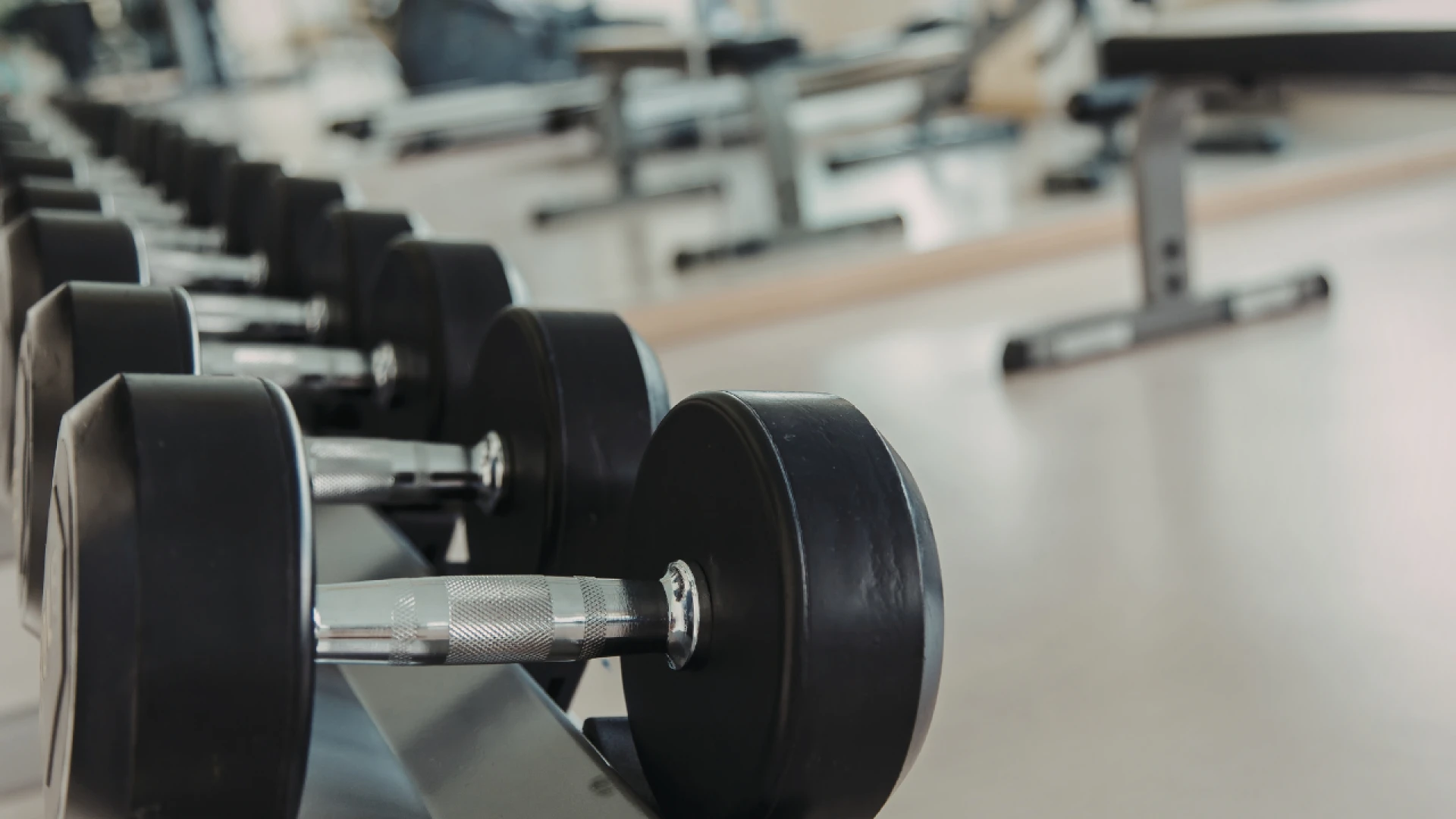
Dumbbells and barbells remain staples in strength training because they engage multiple muscle groups while allowing for natural movement patterns. Free weights are adaptable to various exercises such as squats, deadlifts, and presses, making them versatile for both beginners and advanced users. Proper form is crucial to prevent injury, and adjustable weights offer progressive overload, which is essential for continued muscular development.
Resistance Machines
Resistance machines provide a controlled movement path, which can be especially useful for beginners or those rehabilitating from injuries. They isolate specific muscles more effectively than free weights and can reduce the risk of improper form. Machines targeting the legs, chest, and back are particularly beneficial for overall strength enhancement.
Functional Training Tools
Equipment such as kettlebells, medicine balls, and resistance bands introduces dynamic movement patterns that improve core stability and coordination. These tools often mimic real-world activities, promoting functional strength that extends beyond the gym environment. Their compact size and adaptability make them suitable for high-intensity interval training that incorporates strength elements.
Cardio-Oriented Equipment
Cardiovascular fitness is essential for heart health, endurance, and overall well-being. Equipment designed for cardio training allows users to sustain elevated heart rates over extended periods, improving circulation and calorie expenditure.
Treadmills
Treadmills are versatile machines that accommodate walking, jogging, and running at various inclines and speeds. They allow precise control over intensity, making them suitable for users at any fitness level.
Elliptical Trainers
Elliptical machines offer low-impact cardio, making them ideal for individuals seeking joint-friendly alternatives to running. By engaging both the upper and lower body, these devices provide a comprehensive cardiovascular workout while also promoting muscular endurance in the arms and legs.
Rowing Machines
Rowers combine resistance with aerobic activity, engaging large muscle groups while elevating the heart rate. Their full-body motion strengthens the legs, core, and upper body simultaneously, making them a unique option for those who want to combine strength and cardio in a single session.
Stationary Bikes
Stationary cycling enables users to tailor workouts to specific cardiovascular targets. Whether focusing on endurance, interval training, or hill simulations, bikes provide a controlled environment for sustained aerobic activity. Models with adjustable resistance also offer elements of lower-body strength training, particularly in the quadriceps and glutes.
Hybrid Equipment
Some devices bridge the gap between strength and cardio, allowing for integrated training sessions that improve overall fitness efficiently.
Cable Machines with Pulley Systems
These machines facilitate dynamic resistance exercises while permitting movement at varying speeds and angles. Combining fast-paced repetitions with heavier loads can provide a cardio element alongside traditional strength benefits.
Versatile Functional Trainers
Multi-station trainers allow users to perform exercises ranging from pull-ups and squats to high-intensity circuits. They encourage functional strength development while enabling elevated heart rates through continuous movement, effectively blending strength and cardiovascular conditioning.
Considerations for Selecting Equipment
When selecting equipment for both strength and cardio purposes, several factors should guide the decision-making process:
- Fitness Level: Beginners may benefit from machines with guided movement, while experienced users can leverage free weights or hybrid machines for advanced training.
- Space Availability: Larger machines such as treadmills or rowers require substantial space, whereas resistance bands or kettlebells are more compact.
- Workout Goals: Clarifying whether the priority is endurance, strength, or a combination can streamline the selection process and ensure equipment is used efficiently.
- Safety Features: Adjustable resistance, ergonomic design, and stability are critical for injury prevention.
Integrating equipment into a structured routine rather than relying on sporadic use maximizes benefits and supports long-term adherence to fitness goals.
Conclusion
Selecting gym exercise equipment that effectively supports both strength and cardiovascular fitness requires careful consideration of functionality, safety, and personal goals. From free weights and resistance machines to treadmills and rowing machines, each device contributes differently to overall physical health. Understanding how these tools complement one another allows for balanced workouts that improve endurance, muscle strength, and overall well-being. By prioritizing informed choices and consistent use, individuals can create a gym environment that encourages sustainable and effective fitness progress.
FAQs
What is the difference between strength and cardio equipment?
Strength equipment primarily targets muscle development and resistance training, while cardio machines focus on increasing heart rate and improving endurance. Some hybrid machines combine both functions.
Can I use the same equipment for both strength and cardio?
Yes, certain equipment like rowing machines, functional trainers, and cable systems allows for integrated workouts that combine resistance and aerobic activity.
How often should I use gym exercise equipment for balanced fitness?
A typical recommendation is 3–5 sessions per week, alternating between strength-focused and cardio-focused workouts, depending on individual goals and recovery needs.
Are free weights or machines better for beginners?
Machines generally provide a safer starting point due to guided motion, while free weights offer greater versatility and functional strength development once proper form is mastered.
How can I track progress with cardio and strength equipment?
Tracking can include metrics such as weight lifted, repetitions, duration, distance, heart rate, or intensity levels. Consistent tracking helps ensure steady improvement and prevents plateaus.