
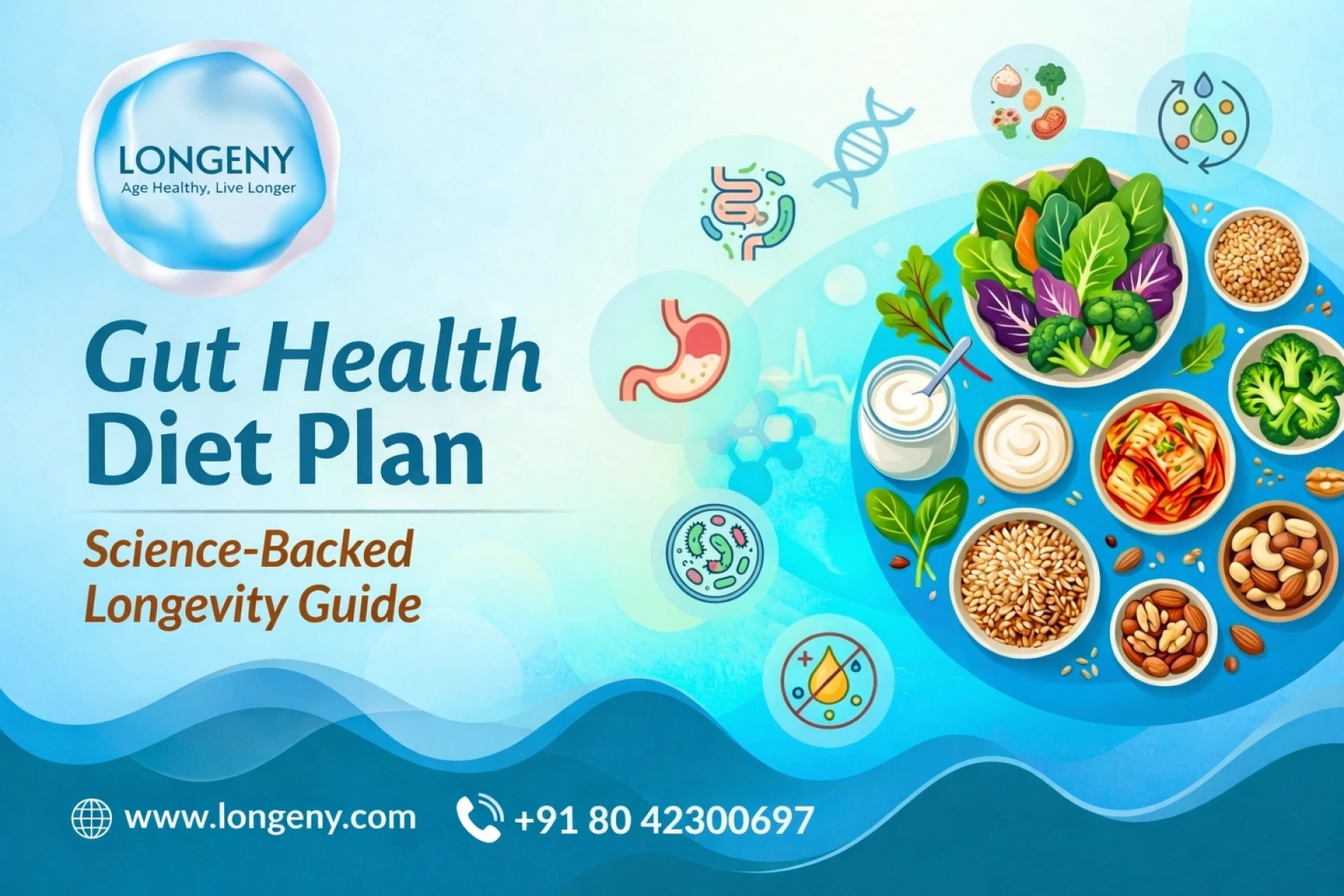
The health of the digestive system is very important in the overall well-being, but is mostly overlooked until the discomfort sets in. Bloating, fatigue, acidity, and irregular digestion are becoming progressively widespread as a result of the habits of the modern lifestyle. A well being
gut health diet Plan can be used to heal the digestive system, enhance nutrient absorption, and overall well-being by promoting the growth of positive bacteria in the gut. Modern preventive healthcare is now focused on enhancing balance within the human body by means of nutrition and individualized lifestyle modifications instead of solely aiming at relieving the symptoms.
Realizing the Power of Gut Health
The gut does not just take part in digestion, it also determines immunity, metabolism and mental health. According to scientific research, a major part of the immune system is tightly linked to gut functionality. When gut bacteria are in balance, the body is able to absorb nutrients well, and it can have a constant source of energy.
This balance can however be disrupted by poor diet, stress, poor sleep and processed foods. Discomfort of the digestive system and imbalance in the health of the entire body may start manifesting when the number of harmful bacteria exceeds that of the beneficial microorganisms. In the long run, this disproportion can influence the metabolism, the condition of moods, and general activity.
What Is a Gut Health Diet Plan?
A gut health diet plan is a diet plan, which is aimed at supporting the diversity of microbes and digestive power. This is in contrast to restrictive diets, which tend to concentrate on weight loss only, and this approach gives precedence to healing and also strengthening of the digestive ecosystem.
This is aimed at supplying foods that feed the healthy bacteria and minimize the substances that cause inflammation or gastrointestinal distress. Nutrition on a case basis is also increasingly suggested since each microbiome of each person reacts uniquely to food preferences and behavioral patterns.
Normal Gut Unhealthy Symptoms
There are numerous people who have the symptoms without even suspecting that their gut is the cause. Constant bloating, abnormal bowel movements, recurrent acidity, or intolerance to food are typical digestive symptoms. Symptoms like brain fog, low energy, skin irritation, and weakened immunity, among others, can also show gut imbalance, besides digestion.
The identification of these early signs gives people an opportunity to prevent before the appearance of long-term health complications.
The Major Aspects of a Good Gut Health Diet
An effective gut health diet is based on balance, not exclusion. Fiber-rich food is important in that it serves as food for the helpful gut microbiota. Vegetables, fruits, legumes, and whole grains aid in enhancing microbial diversity and digestive effectiveness.
Fermented foods also help in maintaining gut balance as they bring useful microorganisms to the digestive system. Yogurt, fermented vegetables, or a high amount of probiotics may help in digestion and alleviate pain when regularly included. It is also essential to restrict highly processed foods and refined sugars. These foods can interfere with the balance of microbes and cause more inflammation, and thus, the gut cannot work optimally.
Nutritious fats such as those found in nuts, seeds, and natural oils help maintain the gut lining and prevent inflammation. When the eating habits are balanced in terms of nutrients, the digestive system can repair and stabilise in the long run.
The diet plan below is a sample of a Daily Gut Health Diet Plan
An effective diet program must be easy and effective. A softening of the digestion can be easily initiated by taking warm water in the morning before eating, with some seeds that are rich in fiber. The breakfast can consist of oats, fruit, and yogurt probiotics to maintain the health of the microbes.
Lunch needs to contain whole grains, vegetables, and sources of protein that are a complete meal. Salads are also fresh, which have fiber and digestive enzymes. Evening meal should be kept light, with vegetables and easily digestible proteins, so as to avoid the night stress on the digestive system. Regularity of eating and size equilibrium of the meals are usually more productive than rigorous dieting.
The importance of Personalization in Gut Nutrition
The gut microbiome of each is unique and depends on the genetics, environment, and lifestyle. Due to this difference, generic diet programs might not produce the same outcomes for all individuals.
The new preventive health methods focus on individual nutrition based on diagnostic knowledge. The assessment of the digestion patterns, metabolic indicators, and lifestyle choices allows developing specific dietary plans conforming to the needs of the health of the individual. Individual diets enhance compliance and give long-term results relative to universal diets.
Perks of Adhering to a Gut Health Diet Plan
Enhancing gut health has beneficial results in a variety of body systems. The digestive process becomes less complicated, and issues like bloating or acidity are lessened. The improved intake of nutrients helps maintain the energy levels throughout the day. An increased gut microbiome has been shown to be protective of the immune system and helps to stabilize metabolism.
The close relationship between the gut and the brain is also noticeable to many people due to the improvement of mental clarity and mood. Proper digestion is likely to enhance sleep quality and general well-being.
Gut Health-promoting Lifestyle Habits
Diet is best when accompanied by healthy daily habits. Regular sleep will aid in the control of hormones affecting digestion. Stress management is very necessary since chronic stress affects the gut bacteria and lowers the digestive system. Physical exercise enhances metabolism and helps the natural digestive motility. Good hydration helps to transport nutrients and eliminate toxins, whereas unjustified antibiotic use helps to keep helpful gut flora. Minor yet regular changes in lifestyle have a great influence on the eventual improvement of the digestive system.
Common Mistakes to Avoid
Lots of individuals cannot fix their gut health due to the short-term solutions they apply. Severe dieting, taking supplements without advice, and unbalanced eating can only exacerbate the imbalance instead of curing it. Another pitfall is that gut healing can only show results gradually and not immediately.
Putting emphasis on sustainable patterns rather than a rapid solution is more even-keeled and sustainable.
A Prevention Strategy of Digestive Health
There is a trend towards prevention and early intervention in healthcare. Modern health systems promote the knowledge of inner health by taking structured tests and a directed approach to lifestyle instead of allowing illness to arise.
Through the use of comprehensive gut analysis, microbial imbalance and metabolic hazards can be detected early enough, and individuals can make informed choices in diet and lifestyle that promote long-term health.
The Prevention of Health Program role
Preventive medicine is based on early interventions as opposed to treatment at its later stages. Rather than allowing health problems to develop, proactive solutions are developed through the analysis of health indicators and lifestyle habits to develop wellness programs. This will allow people to learn how the choices we make in our daily lives affect our gut performance and general well-being.
At the intersection of nutrition instruction with continuous observation, this will promote long-term change and not a temporary diet modification. In the long-term, with regular encouragement, the digestion is improved, the energy levels are enhanced, and the resistance to lifestyle-related health issues is increased.
The Approach to Gut Wellness by Longeny
Based on a model of precision-health, this approach combines high-quality tests, professional guidance, and customized nutrition plans to enhance gut health starting at the base level. These structured programs enable individuals to understand their internal health profile and make knowledgeable lifestyle changes by addressing the root causes of their problem rather than focusing only on symptomatic effects. Longeny follows this systematic method, which upholds digestive balance and long-term wellness through technology-driven preventive care.
Final Thoughts
The process of creating a healthier gut is a progressive process that requires regular habits and educated nutrition. The carefully designed gut health diet can help with digestion, boost immunity, and maintain long-term energy levels. With the help of the tailor-made instructions and health prevention measures, people will be able to make significant progress that goes beyond the realm of digestive health and may affect the overall quality of life positively.
Frequently Asked Questions (FAQs)
What is included in a gut health diet plan?
It is based on the intake of nutrient-rich food items that provide energy to good gut bacteria and enhance effective digestive processes.
How quickly can gut health improve?
First-time digestive comfort can manifest itself in the course of several weeks, and a more profound balance with the microbiome will be built over time through periodicity.
Does gut health have an effect on the general immunity?
Yes, the digestive balance is significant to the activity of the immune system.
Is it wise for everybody to take probiotic supplements?
Not necessarily. Nutritional balance and individualized nutrition education are more helpful to many people.
Who is the greatest beneficiary of gut health improvement?
Those with digestive issues, tiredness, and health-related problems brought about by lifestyle tend to record visible improvements.