
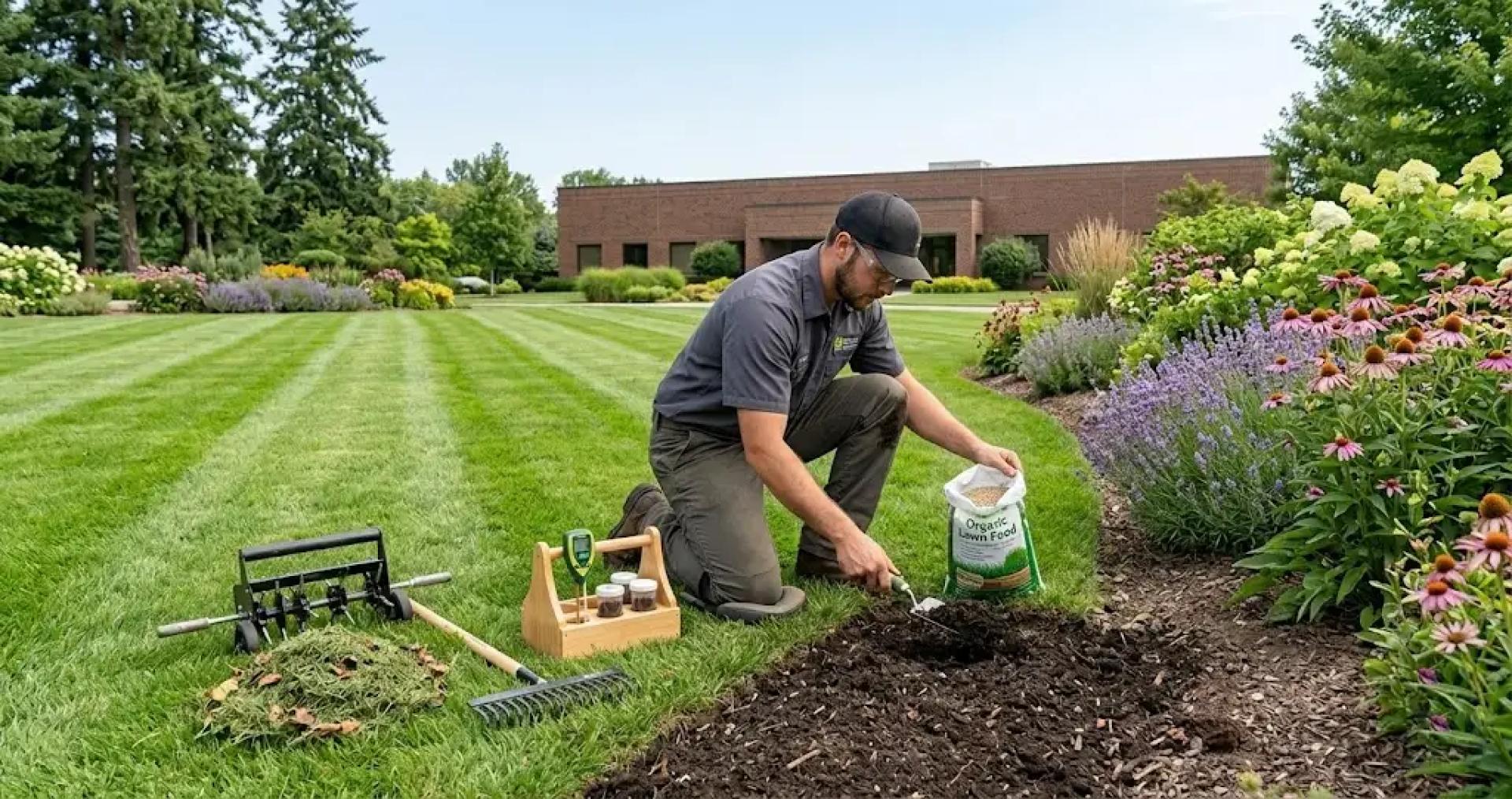
Maintaining a lush, resilient landscape in the Fraser Valley requires more than just a weekend mow. Between the relentless moss-growing rainy seasons and the increasingly parched Pacific Northwest summers, local property owners face a unique set of horticultural hurdles. Whether you are managing a sprawling estate in Campbell Valley or a high-traffic commercial frontage near the City Bypass, achieving a deep-green carpet involves understanding the specific biology of British Columbia’s coastal soils.
The secret to a thriving lawn isn't found in a one-size-fits-all bag of fertilizer from a big-box store. It lies in a strategic approach to soil health, drainage, and species-specific care. This guide breaks down the professional-grade tactics used by senior turf managers to ensure your outdoor space remains the pride of the neighborhood year-round.
Understanding the Langley Climate and Soil Profile
Langley’s geography presents a distinct challenge for turfgrass. We sit in a transition zone where the heavy clay content of the soil often leads to compaction and poor drainage during the winter, followed by rapid drying in the summer heat.
Soil Acidity and the Moss Struggle
Most soil in the Surrey and Langley area leans toward the acidic side of the pH scale. Moss thrives in acidic, damp, and shaded conditions—precisely what our winters provide. To counter this, professional turf management begins with pH balancing. Applying calcitic lime helps neutralize acidity, making nutrients more available to the grass roots and less hospitable to moss spores.
Grass Species Selection for the Fraser Valley
For residential and enterprise properties in our region, a blend of Perennial Ryegrass, Kentucky Bluegrass, and Fine Fescues is standard.
- Perennial Ryegrass: Quick to germinate and highly wear-resistant, making it ideal for luxury properties with high foot traffic.
- Fine Fescues: These are the shade-tolerant heroes of the Pacific Northwest, essential for areas under large cedar or maple canopies.
- Kentucky Bluegrass: Provides that deep, dark green color and "self-healing" ability through rhizomes.
Mastering the Seasonal Maintenance Cycle
Timing is everything in Canadian lawn care. If you miss the window for specific treatments, you end up playing catch-up for the rest of the year.
Spring: The Great Awakening
As soon as the overnight frosts subside in March or April, your priority is recovery. This involves raking away "snow mold"—that fuzzy grey or pink patches left behind by melting snow—and prepping the soil for new growth. This is the optimal window for a professional lawn care langley program to begin, focusing on nutrient replenishment and weed suppression before the germination of crabgrass.
Summer: Heat Stress and Irrigation
When the July heat hits, many lawns go into dormancy. To keep a luxury property green, deep watering is more effective than frequent, shallow sprinkling. Aim for one inch of water per week, ideally delivered in the early morning to prevent fungal diseases that occur when grass stays wet overnight.
Fall: Fortifying the Roots
September and October are arguably the most important months for long-term health. This is when you apply "winterizer" fertilizers high in potassium to strengthen the cellular structure of the grass, helping it survive the coming freezes and heavy rains.
Advanced Soil Health and Structural Integrity
If your lawn feels spongy or looks thin despite regular watering, the problem is likely beneath the surface. Soil compaction is the silent killer of Fraser Valley lawns, particularly in high-clay areas like Willoughby or Brookswood.
The Role of Mechanical Aeration
Over time, the soil particles press together, squeezing out the air pockets that roots need to breathe. This is where a professional lawn aeration service becomes a non-negotiable part of the maintenance calendar. By removing small plugs of soil, you allow oxygen, water, and nutrients to penetrate deep into the root zone.
Benefits of Aeration for Luxury Estates:
- Reduces water runoff and pooling.
- Increases drought resistance by encouraging deeper root growth.
- Breaks up thatch buildup that harbors pests.
Top-Dressing and Overseeding
Following aeration, applying a thin layer of high-quality compost or sand-soil mix (top-dressing) fills the holes with nutrient-rich material. Simultaneously overseeding ensures that new, vibrant grass plants replace the aging ones, keeping the turf dense enough to naturally crowd out weeds without excessive chemical use.
Fertilization Strategies for High-Performance Turf
Proper nutrition is a science, not a guessing game. Many homeowners over-fertilize in the spring, leading to a massive surge in top growth that weakens the roots. Instead, a balanced, slow-release approach ensures steady health.
Treatment Type
Frequency
Primary Benefit
Nitrogen-Rich
Late Spring
Boosts chlorophyll and leaf growth
Balanced (Slow Release)
Early Summer
Sustains health through heat stress
Potassium-Focused
Late Fall
Increases cold hardiness and disease resistance
Calcitic Lime
Early Spring/Fall
Corrects soil acidity and prevents moss
A common question for property owners is how often should you fertilize your lawn to achieve consistent results. In our local climate, a four-to-five-step program spread across the growing season is generally the gold standard for enterprise-level aesthetics.
Weed and Pest Management in British Columbia
With strict provincial and municipal cosmetic pesticide bylaws, Langley residents must rely on Integrated Pest Management (IPM). This means focusing on making the grass so healthy that weeds cannot compete.
Identifying Local Culprits
- European Chafer Beetle: These larvae eat grass roots, but the real damage comes from crows and raccoons tearing up the turf to reach them. Nematode treatments in July are the most effective biological control.
- Broadleaf Weeds: Dandelions and clover are opportunistic. Maintaining a mowing height of 3 inches helps shade the soil, preventing these weed seeds from germinating.
- Crane Fly (Leatherjackets): These thrive in the wet soils of Surrey and Langley, feeding on grass blades near the soil surface.
Organic Weed Suppression
High-quality corn gluten meal can act as a pre-emergent weed suppressant if applied at the exact right moment in early spring. However, for established luxury lawns, manual removal and consistent overseeding remain the most effective "green" strategies.
Professional vs. DIY: A Comparison for Property Owners
Managing a small residential patch is one thing; maintaining the curb appeal of a corporate campus or a multi-acre luxury estate is another.
DIY Challenges
Many homeowners struggle with the logistics of equipment. Rental aerators are heavy and difficult to transport, and store-bought spreaders often lead to "striping"—uneven green lines caused by poor calibration. Furthermore, identifying the specific cause of brown patches (is it fungus, grubs, or just thirst?) requires an expert eye.
The Professional Advantage
An enterprise-grade service brings industrial-strength equipment and horticultural expertise. They can perform soil tests to determine exactly what your land lacks, saving you money on wasted products. For luxury properties, the consistency of a professional schedule ensures the lawn is "event-ready" at all times.
Frequently Asked Questions
What is the best month to aerate a lawn in Langley?
The best months are April through May or September through October. During these windows, the temperature is mild, and the grass is in its active growth phase, allowing it to recover quickly from the aeration process.
How do I get rid of moss in my lawn permanently?
Permanent removal requires changing the conditions that favor moss. This includes improving drainage through aeration, increasing sunlight by pruning overhanging trees, and raising the soil pH with lime applications. Moss is a symptom of an underlying issue, not just a weed.
Why is my grass turning brown despite regular watering?
This is often caused by soil compaction or a thick layer of thatch. If the water cannot reach the roots, it simply sits on the surface and evaporates. Another possibility in the Langley area is the European Chafer Beetle; if the turf lifts up like a carpet, grubs are likely the cause.
How high should I mow my lawn in the Fraser Valley?
Set your mower to 2.5 to 3 inches. Mowing too short (scalping) stresses the plant, dries out the soil, and allows weed seeds to reach the sunlight they need to grow.
Is clover bad for my lawn?
Actually, clover is a nitrogen-fixer, meaning it pulls nitrogen from the air and feeds it into the soil. While some prefer a pure grass look for luxury properties, many are now incorporating clover for a more drought-resistant, eco-friendly landscape.
Sustainable Practices for the Modern Homeowner
In an era of increasing water restrictions in Metro Vancouver, sustainability is no longer optional. Moving toward a "climate-wise" lawn involves choosing the right cultivars and using organic matter to retain moisture.
Mulch Mowing
Instead of bagging your grass clippings, use a mulching mower to return them to the soil. These clippings are roughly 80% water and contain valuable nitrogen. This simple habit can reduce your fertilization needs by up to 25% over the course of a year.
Smart Irrigation Systems
For enterprise and luxury properties, investing in smart controllers that adjust watering schedules based on local weather stations can save thousands of gallons of water while ensuring the turf never hits a stress point.
Conclusion: Investing in Your Property’s Foundation
A healthy lawn is more than just an aesthetic choice; it is an investment in your property's value and the local ecosystem. By focusing on soil structure, choosing the right grass varieties for the Surrey-Langley corridor, and following a disciplined seasonal schedule, you can maintain a landscape that stays vibrant through the wettest winters and the driest summers.
High-performance turf management requires a blend of local knowledge and technical precision. Whether you are looking to revitalize a commercial green space or maintain the pristine look of a private estate, Harry’s Lawn Care provides the expertise needed to navigate the complexities of Fraser Valley horticulture.
Ready to transform your outdoor space? Reach out for a professional consultation and let us handle the science behind your perfect lawn.
Would you like me to generate a custom seasonal maintenance calendar based on these Langley-specific tips?