Selecting open-cell insulation for new residential builds in Pflugerville, Texas requires matching thermal performance with local climate demands. Central Texas experiences hot, humid summers and short, mild winters, making air sealing and heat management major priorities for homebuilders.
This guide covers material specifications, climate factors, and practical selection criteria to help you plan your building project. Proper insulation installation provides long-term energy savings and improves overall indoor comfort.
Why Open-Cell Foam Fits Pflugerville New Construction
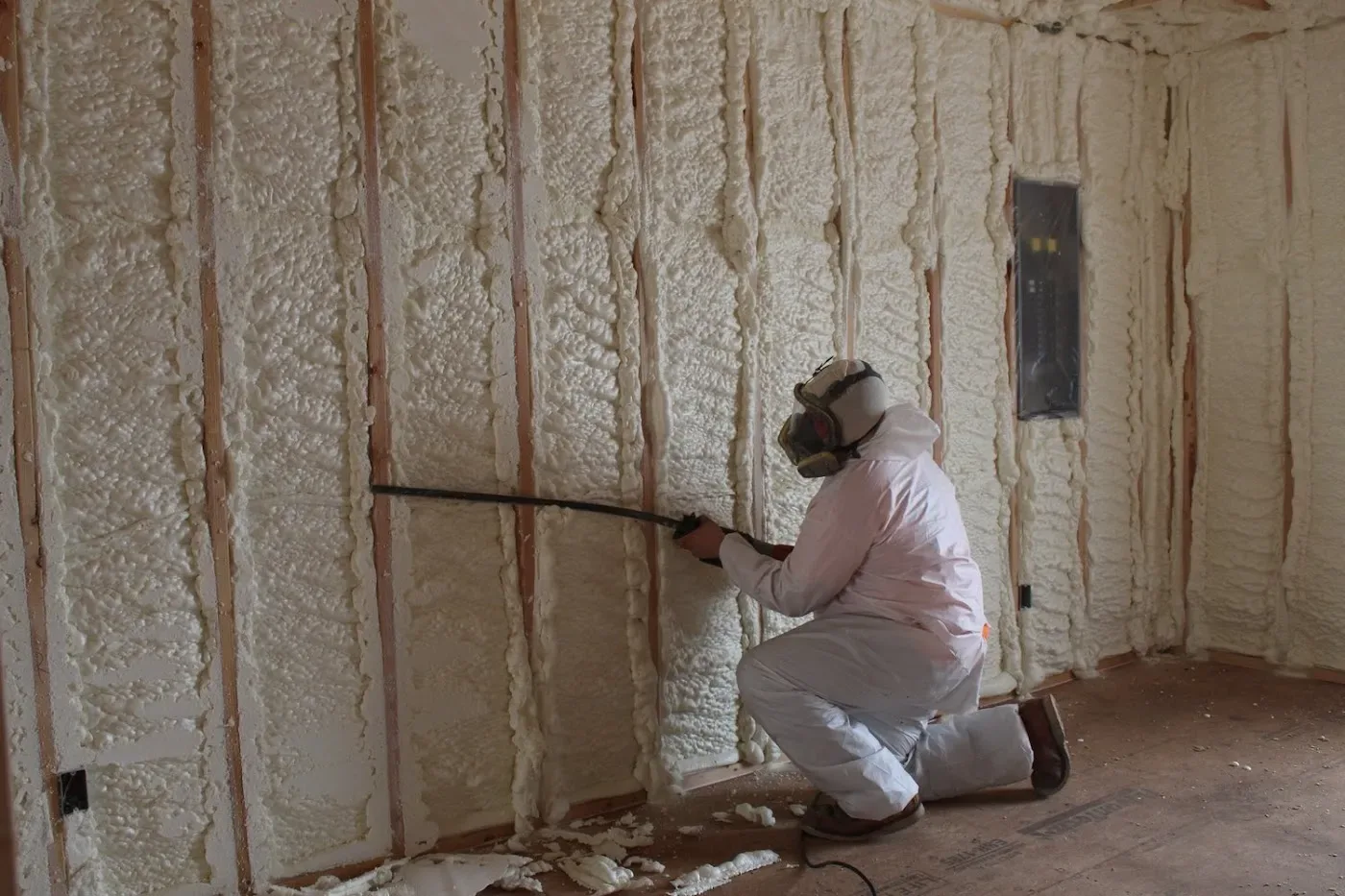
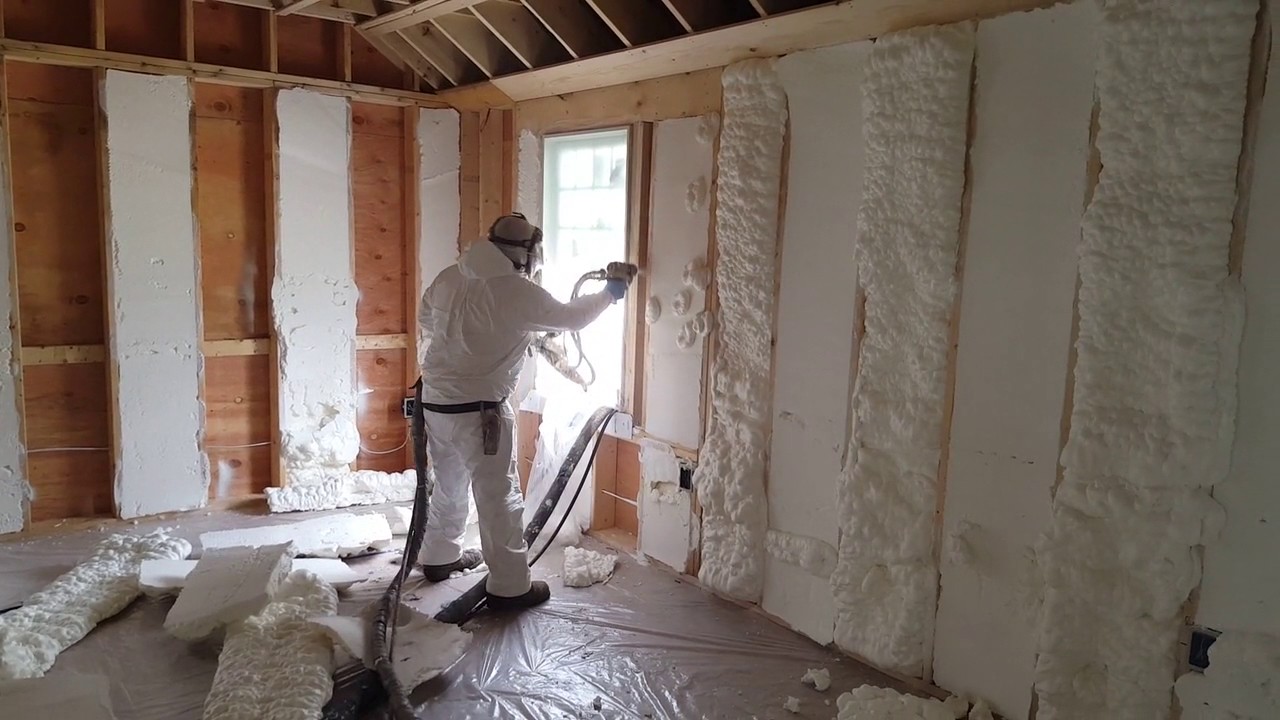
Open-cell insulation is a low-density spray foam material known for its exceptional expansion capabilities during application. When installed inside wall cavities, it can expand up to 100 times its original liquid volume, allowing it to fill small gaps, cracks, and irregular spaces around framing lumber. This creates a continuous air seal that improves energy efficiency and indoor comfort.
In Pflugerville's hot climate, open-cell insulation helps reduce warm air infiltration, making it easier to maintain consistent indoor temperatures without placing excessive demand on air conditioning systems. Building studies show that air leakage accounts for approximately 25% to 40% of heating and cooling energy loss in many modern homes. By sealing these air leakage pathways, open-cell foam helps improve HVAC efficiency and lower energy costs.
Additional benefits of open-cell insulation include:
- Completely fills deep stud cavities with a single application.
- Reduces sound transmission between interior rooms and outdoor spaces.
- Provides excellent coverage and expansion compared to denser closed-cell products.
- Remains slightly flexible after curing, allowing it to accommodate normal wood frame movement without separating from the studs.
Bonus Tip: Before installation, inspect wall framing depths to ensure the cavities can accommodate the planned foam thickness for complete and effective coverage.
What Technical Specs Matter for Texas Building Codes
Local building codes in Travis and Williamson counties set minimum thermal performance standards for exterior walls and roof assemblies. Understanding material specs ensures your new home meets or exceeds baseline compliance.
The expansion of open-cell foam insulation creates a pliable material with an R-value around R-3.5 to R-3.8 per inch. It features a cell structure that allows water vapor to escape while blocking direct air movement through wall assemblies.
- The R-value per inch ranges consistently between 3.5 and 3.8.
- Its vapor permeability allows drying toward the inside or outside based on the season.
- The material density remains light at approximately 0.5 pounds per cubic foot.
- It complies with Class 1 fire rating standards for residential wall assemblies.
Material Metrics Comparison for Central Texas Builds
Insulation MaterialAverage R-Value Per InchAir Sealing AbilityDensity (lbs/cu.ft)Sound Absorption RatingOpen-cell spray foam3.5 - 3.8High0.5ExcellentClosed-cell spray foam6.0 - 7.0High2.0ModerateFiberglass Batts3.1 - 3.4Low0.5 - 1.0GoodMineral Wool3.7 - 4.2Low2.5 - 3.0ExcellentHow Does Open-Cell Foam Compare to Other Insulation Types
Choosing insulation involves balancing initial installation costs against long-term energy savings. Traditional fiberglass batts cost less upfront but fail to stop air infiltration without separate, meticulous air barriers.
In contrast, open-cell insulation serves as both an insulating layer and an air barrier in a single application. This limits draft movement through electrical outlets, top plates, and baseboards.
Industry testing shows that homes insulated with spray foam achieve air infiltration rates below 3.0 Air Changes per Hour at 50 Pascals (ACH50), comfortably passing modern energy code requirements.
- The foam eliminates the need for extensive exterior tape sealing on house wrap.
- It prevents pest entry by blocking gaps in wood framing joints.
- This barrier maintains continuous contact with wall studs over long periods.
- It resists sagging or settling over time compared to loose-fill options.
Key Considerations Before Making Your Insulation Choice
Before finalizing insulation specs for a new construction project, you must evaluate several structural and mechanical choices that impact performance.
HVAC sizing connects directly to wall insulation quality. Because expanding foam creates a tight building envelope, heating and cooling loads drop compared to traditional fiberglass builds.
Attic strategy represents another major decision point. Unvented attic assemblies place insulation directly along the underside of the roof deck, keeping mechanical units and ductwork inside conditioned space.
- Verify that your HVAC designer runs updated load calculations for airtight construction
- Decide between an unvented conditioned attic design or a traditional vented ceiling
- Confirm wall framing dimensions to ensure sufficient cavity depth for targeted R-values
- Map out all electrical, plumbing, and low-voltage utilities before beginning the installation
Bonus Tip: Finalize mechanical layouts early to prevent having to modify insulated cavities later in the build.
Selecting Qualified Professional Open-Cell Insulation Services
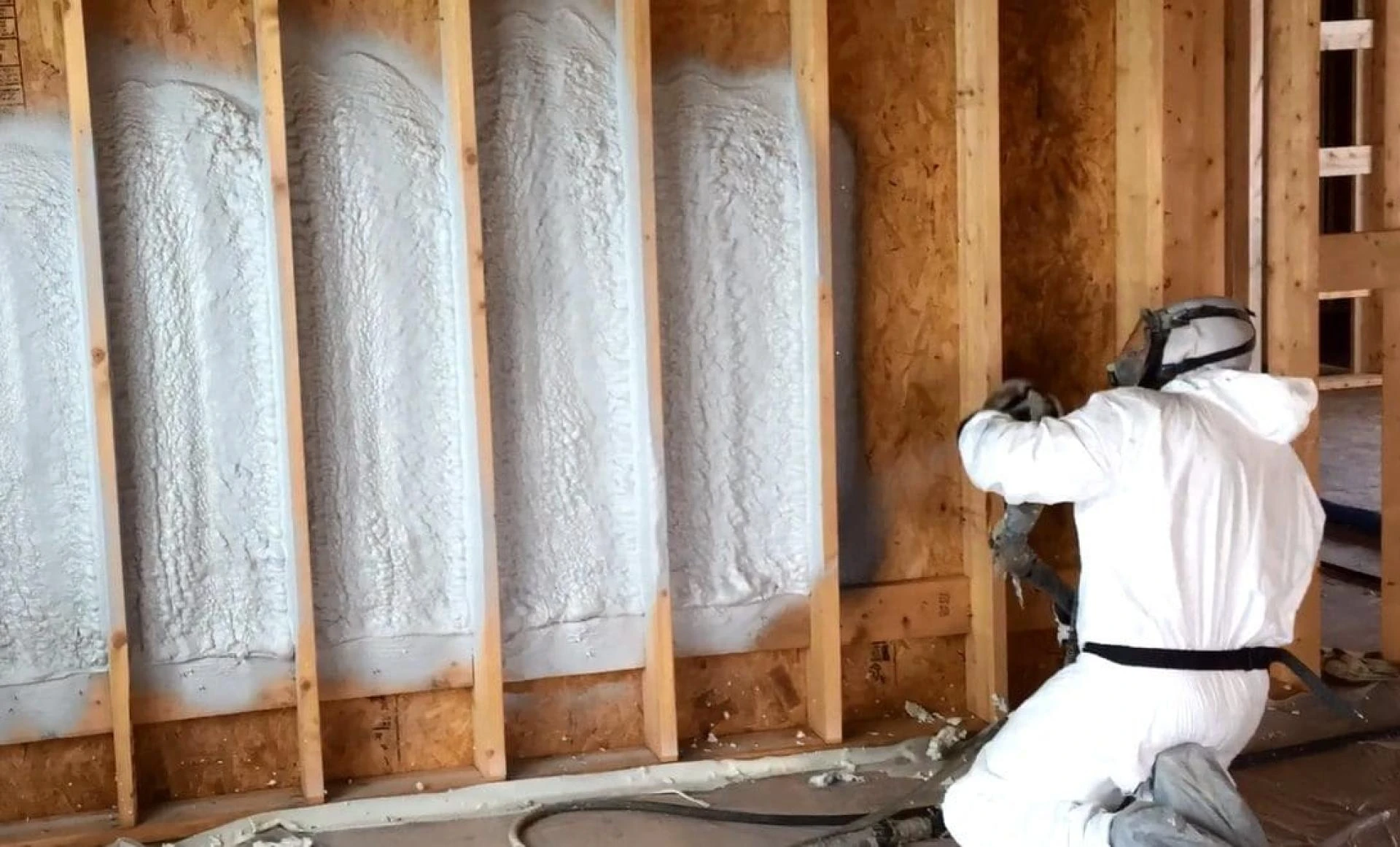
Proper installation requires specialized high-pressure metering equipment and precise chemical temperature management. Contracting trained applicators ensures balanced chemical expansion and strong adhesion to framing surfaces.
When hiring open-cell insulation services, ask prospective contractors about their experience working alongside Central Texas building inspectors. Qualified tradespeople supply safety data sheets and adhere strictly to recommended cure times.
Working with a reliable open-cell spray foam contractor keeps your building timeline on schedule while helping secure necessary energy code compliance certificates.
- Verify installer credentials, licenses, and general liability insurance
- Review recent project references from builders operating in Central Texas
- Confirm thermal barrier ignition requirements over exposed attic foam
- Check that crews use proper site protection and mechanical ventilation during spraying
Key Steps for a Successful Installation Project
A smooth installation relies on careful site preparation and clean execution on the job site. Wood framing must be clean, dry, and fully accessible before application begins.
Substrate moisture levels must test below 19% prior to application. Trapping high moisture inside framing studs leads to adhesion failure and potential wood rot down the line.
- Schedule spraying after rough electrical, plumbing, and framing inspections pass
- Maintain job site ambient temperatures within manufacturer specifications
- Allow proper ventilation and cure times before drywall installation begins
- Scrape excess foam flush with stud faces to prepare clean surfaces for drywall installation
Bonus Tip: Verify framing wood moisture content with a digital pin meter prior to spraying to prevent moisture trapping.

Final Considerations for Your Building Design
Selecting open-cell insulation for new construction in Pflugerville comes down to balancing indoor comfort, long-term energy performance, and upfront framing budgets.
Evaluating your floor plan, target energy ratings, and mechanical layouts helps guide the decision. Consulting early with building insulation specialists helps keep your project running smoothly from start to finish.
Connecting with Experienced Insulation Specialists in Central Texas
Partnering with a localized, professional team is essential to successfully applying these structural insulation guidelines. If you are planning a new construction project in Pflugerville or nearby areas, you can contact Spray Foam Tech to discuss your project requirements and receive a free quote tailored to your specific floor plan and building goals. Their team provides residential and commercial insulation solutions designed for Central Texas homes.
Reach out directly by email at [email protected].
Common Questions About Building with Spray Foam Insulation in Pflugerville
Can open-cell foam be used in unvented attics in Central Texas?
Yes, open-cell foam is frequently applied to the underside of roof decks to create unvented attics, keeping ductwork inside conditioned space.
How does humidity affect foam curing during summer construction?
High humidity can affect chemical adhesion if framing surfaces hold moisture, making it necessary to test wood moisture levels before application.
Does open-cell foam absorb water if a roof leak occurs?
Open-cell foam permits water to move through slowly rather than trapping it completely, which makes roof leaks visible faster for timely repairs.
Will installing foam insulation allow for a smaller air conditioning unit?
Yes, reduced air leakage lowers cooling loads, allowing HVAC contractors to specify smaller, more efficient air conditioning units.
How long does open-cell foam insulation last in residential homes?
When installed correctly and protected from direct sunlight exposure, open-cell foam retains its structural shape and performance properties for the life of the home.