
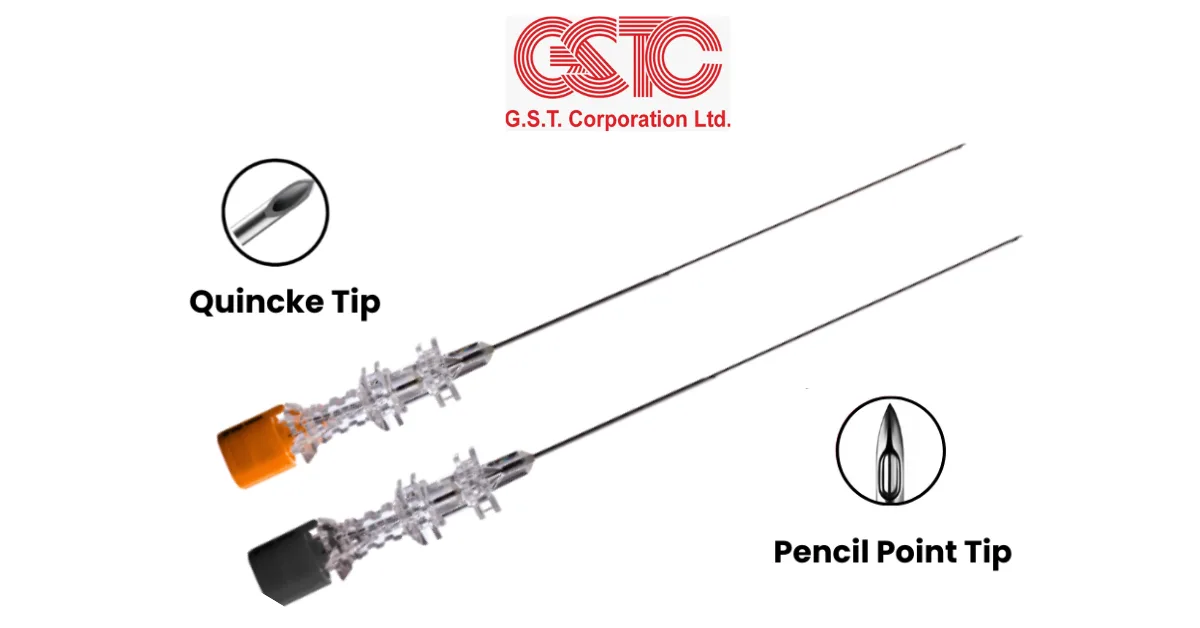
Spinal needles are medical equipment that are specially designed to access the spinal canal for diagnostic and therapeutic procedures. These needles are commonly used by healthcare professionals for spinal anesthesia lumbar puncture and intrathecal drug administration. Modern spinal needles are made to increase the precision of the procedure and minimize the patient’s discomfort.
What is spinal needle
Spinal needles are sterile, thin single-use needles used to enter the subarachnoid space of the spine. Medical professionals use them to administer anesthetic agents to obtain cerebrospinal fluid (CSF) or to deliver drugs directly into the spinal canal.
Common Uses of Spinal Needles
Spinal needles are very important in many medical applications. They are versatile and therefore an important part of operating rooms diagnostic centers and healthcare facilities around the world.
1. Spinal Anaesthesia
Spinal needles are most often used for spinal anesthesia. In surgery anesthetic medication is injected into the cerebrospinal fluid to produce temporary numbness below a certain area of the body. This process is commonly used in orthopedic urological, gynaecologic and obstetric surgery.
2. Lumbar Puncture
Spinal needles are used in lumbar puncture procedures to obtain cerebrospinal fluid for laboratory analysis. It helps diagnose neurological conditions, infections and some inflammatory diseases.
3. Intrathecal Drug Delivery System
Some drugs have to be given directly into the spinal canal. Spinal needles are a safe means of delivering drugs used in pain management and other specialized therapies.
Types of spinal needles
Different procedures require different needle configurations. Manufacturers offer several types of spinal needles to meet the varied clinical preferences and patient needs.
1. Quincke Tip Spinal Needles
The cutting bevel tip of Quincke needles allows for smooth penetration of tissues. They are popular due to the ease of insertion and reliable performance. Quincke needles are still the preferred needle for routine spinal procedures in many healthcare facilities.
2. Pencil Point Spinal Needles
Whitacre-style needles are like pencils, with non-cutting points. They don't cut tissue, they split tissue fibers on insertion. This design could minimize tissue trauma and reduce the incidence of post-procedural headache.
Key Features of Spinal Needles
When buying spinal needles healthcare providers and distributors consider a few key features.
1. Surgical-Grade Stainless Steel
Spinal needles are made from the highest quality stainless steel for strength, precision and ease of penetration.
2. Single-Use Sterile Design
Single-use spinal needles are important to patient safety and minimize the risk of cross-contamination. Sterile packaging maintains product quality until opened.
3. Identifying the Hubs by Colour Coding
Color coding helps healthcare professionals to quickly identify needle gauge sizes for more efficient procedures.
4. Precision Manufacturing
When the needle size and quality are consistent, clinicians can perform procedures with confidence and reliability.
5. Tamper-Proof Packaging
Safe packaging protects the product during transportation and storage keeping it sterile.
GSTC Trusted Expertise in Manufacturing Spinal Needles
GSTC is one of the leading medical equipment manufacturers and exporters of India. It has gained a good reputation from among the established spinal needle manufacturers. The company has decades of manufacturing experience and with a strong focus on quality reliability and global healthcare needs, it offers high-quality spinal needles for spinal anaesthesia lumbar puncture diagnostic procedures and intrathecal drug delivery.
Conclusion
Spinal needles are still important equipment in modern healthcare, aiding anesthesia, diagnostics imaging and specialized treatment procedures. They are precise safe and reliable and are thus indispensable in hospitals and medical facilities around the world.