
Introduction: The Hidden Risk of Ground Faults in Modern Power Networks
Modern power distribution systems are no longer simple electrical networks. Today’s power infrastructure includes distributed generation, renewable energy systems, automated industrial equipment, and smart grid technologies. While these advancements improve efficiency and energy management, they also make electrical networks more complex and sensitive to faults.
One of the most dangerous and often unnoticed electrical issues is a ground fault. Ground faults occur when electrical current unintentionally flows to the earth due to insulation failure, damaged wiring, or moisture ingress. If left undetected, these faults can cause equipment damage, electrical fires, unexpected shutdowns, and serious safety hazards for personnel.
This is where Ground Fault Monitoring becomes essential. Instead of waiting for a major electrical failure, ground fault monitoring systems continuously detect leakage currents and insulation issues at an early stage, helping organizations prevent accidents and maintain reliable power systems.
What Is Ground Fault Monitoring?
Ground Fault Monitoring is a safety system that continuously checks if unwanted electrical current is leaking from a power system to the ground. This usually happens when insulation becomes weak, wires get damaged, or moisture enters electrical equipment. The goal is to detect these leakage currents early, before they cause equipment failure, electrical fires, or safety risks..
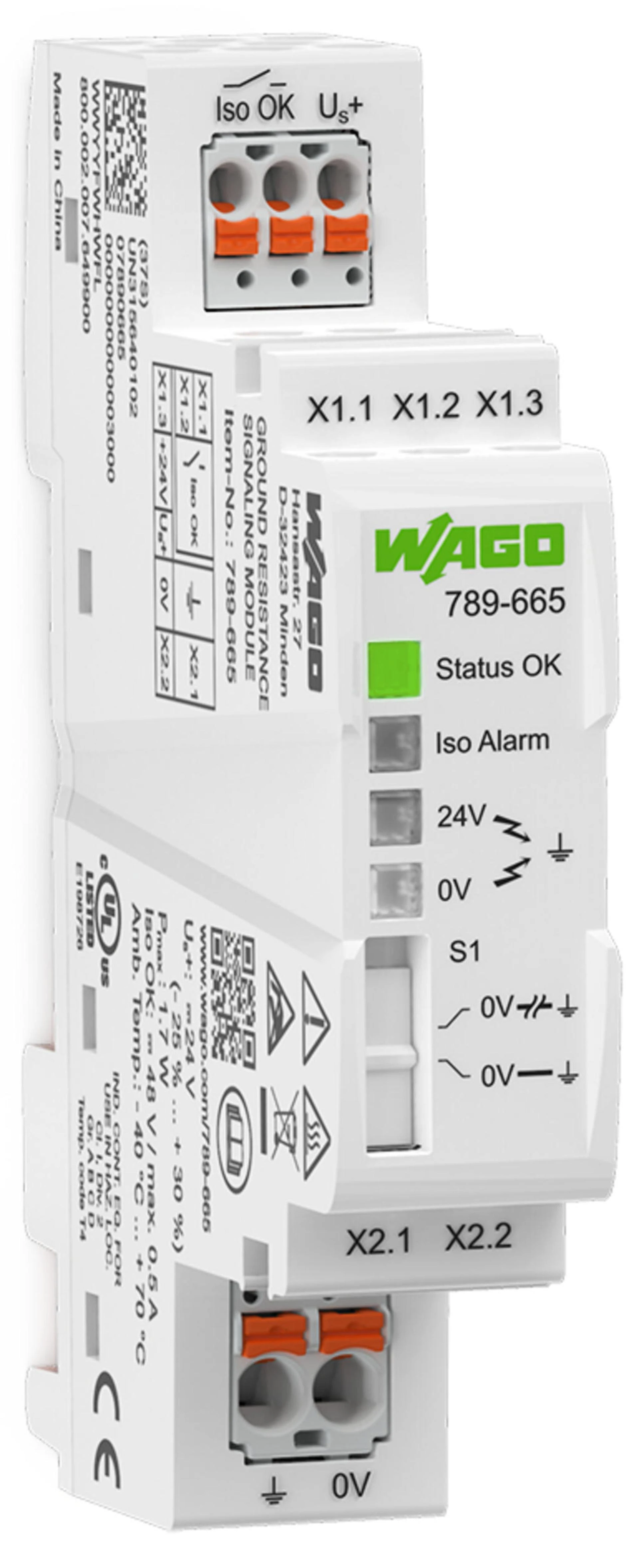
Ground fault monitoring systems use devices like ground resistance signaling modules, residual current sensors, and insulation monitoring devices. These devices trigger an alarm when leakage current or ground resistance crosses a set limit. They are typically installed at transformer neutrals, feeder lines, and critical load points so engineers can quickly locate the fault. Unlike phase-to-phase faults, ground faults involve current flowing to earth due to insulation deterioration.
Why Ground Fault Monitoring Is Critical?
Ground fault monitoring is essential for both electrical safety and system reliability. Small insulation faults can turn into serious failures if not detected early, which is why continuous monitoring is important.
Why it is critical:
- Safety: Prevents electric shock risks like touch voltage and step potential hazards.
- Equipment Protection: Detects insulation problems early and avoids transformer or equipment damage.
- Operational Continuity: Helps plan maintenance instead of sudden shutdowns.
Overall, ground fault monitoring helps organizations avoid accidents, reduce downtime, and keep power systems running safely and efficiently.
How Ground Fault Monitoring Works -Technical Overview
Ground fault monitoring systems work by measuring ground resistance or leakage current continuously. When the measured value crosses a predefined signaling threshold, the monitoring module sends an alarm signal through digital output.
These systems are designed to operate reliably in industrial environments and can withstand temperature variations, vibration, and electromagnetic interference. They are compatible with both grounded and ungrounded electrical systems, making them suitable for various industrial applications.
Applications of Ground Fault Monitoring
Ground Fault Monitoring is widely used across multiple industries. In industrial plants, it protects motors, switchgear, and critical machinery from insulation failures. In renewable energy installations such as solar and wind farms, it helps monitor DC and AC leakage currents. Data centers rely on ground fault monitoring to protect UPS systems, PDUs, and critical loads. Infrastructure projects and commercial buildings also use continuous monitoring to ensure electrical safety and uninterrupted power supply.
Operational and Financial Benefits
Ground fault monitoring provides both operational and financial benefits. Early fault detection reduces downtime and maintenance costs while extending equipment life by preventing insulation failure. It also reduces the risk of fire hazards, legal liability, and operational disruptions. Additionally, the monitoring data helps in predictive maintenance, asset management, and long-term operational planning.
The Future of Ground Fault Monitoring
The future of Ground Fault Monitoring is moving toward smart and connected power systems. Monitoring devices are increasingly being integrated with smart grid analytics, remote monitoring platforms, and predictive maintenance systems. Trend analysis and historical insulation data will allow organizations to detect failures even earlier. With IoT-enabled electrical systems, ground fault monitoring will become more intelligent, automated, and essential for next-generation power infrastructure.