
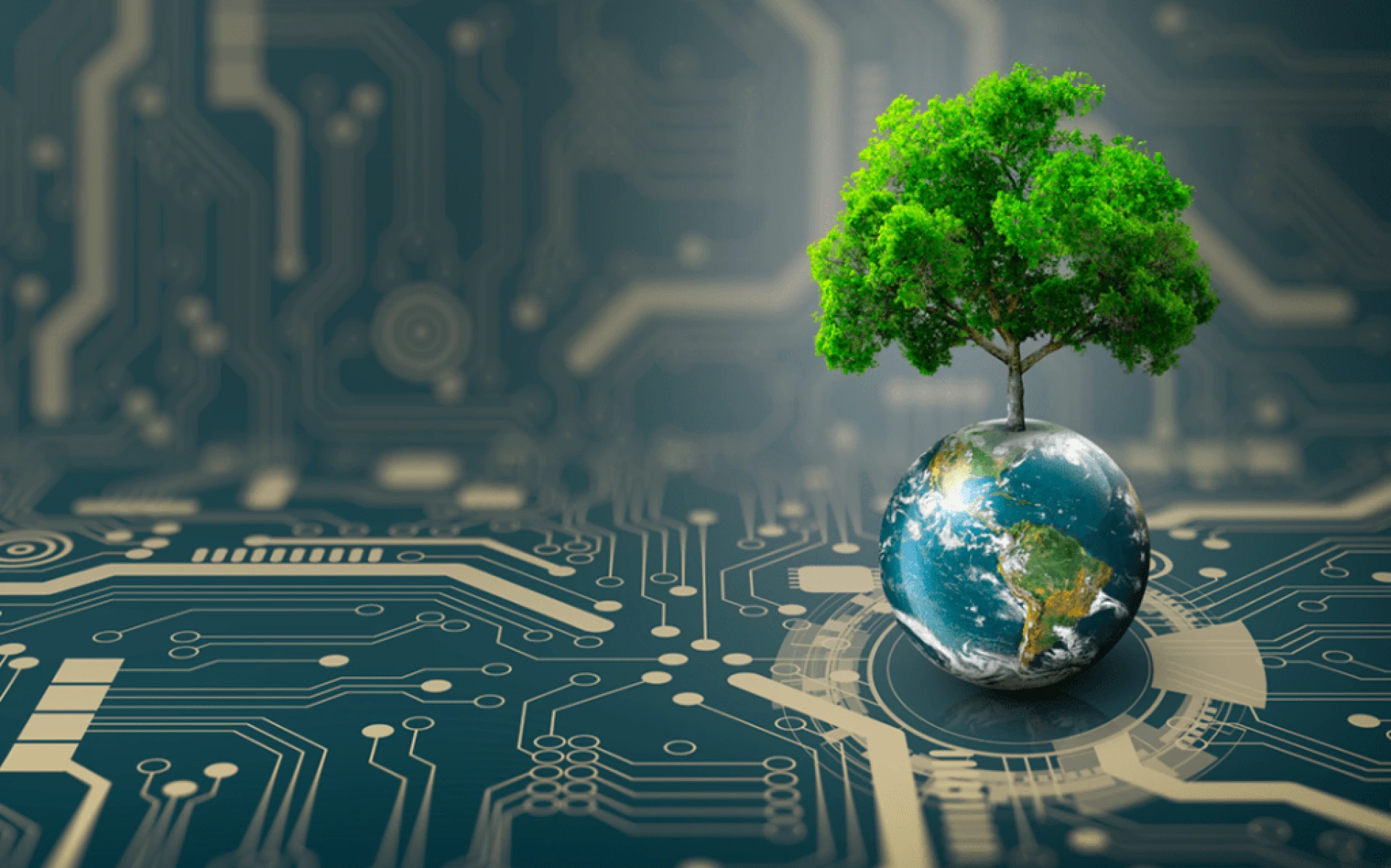
As the world faces the dual challenges of climate change and rapid technological advancement, the intersection of green technology and sustainable computing has become more important than ever. These emerging fields aim to reduce the environmental impact of our digital lives while promoting economic growth and technological innovation.
What is Green Technology?
Green technology, or "clean tech," refers to the development and application of products, equipment, and systems used to conserve natural resources and the environment. It includes renewable energy sources like solar and wind, energy-efficient appliances, recycling technologies, and green building materials.
The primary goal of green tech is to reduce the carbon footprint of human activities. In the context of computing, this translates to designing and using technologies that are energy-efficient, recyclable, and made through eco-friendly manufacturing processes.
Sustainable Computing: An Overview
Sustainable computing, often called "green computing," involves the efficient and responsible use of computing resources. It encompasses a broad range of practices, such as:
- Designing energy-efficient hardware and software
- Reducing e-waste through recycling and reuse
- Using cloud computing to optimize resource use
- Developing algorithms that require less computational power
Sustainable computing not only reduces environmental harm but can also lower operational costs for businesses and consumers. Companies embracing these practices often benefit from improved brand reputation and compliance with environmental regulations.
The Environmental Cost of Technology
Despite the benefits of digitalization, the environmental costs of computing are significant. Data centers, for example, consume vast amounts of electricity. According to the International Energy Agency (IEA), data centers accounted for about 1% of global electricity demand in 2022, with projections showing steady growth.
Moreover, the production of electronic devices involves mining rare earth metals, generating toxic waste, and emitting greenhouse gases. Once outdated, these devices often end up in landfills, contributing to the growing problem of electronic waste, or e-waste.
Innovations in Green Tech and Sustainable Computing
In response to these challenges, several innovative solutions are being developed:
- Energy-Efficient Data Centers: Companies like Google and Microsoft are investing in AI to optimize cooling systems and power usage in their data centers, significantly cutting energy consumption.
- Eco-Friendly Hardware: Some manufacturers are using biodegradable or recyclable materials in their devices. Fairphone, for example, produces smartphones that are modular and easy to repair, extending their lifespan.
- Renewable Energy Integration: Tech companies are increasingly powering their operations with renewable energy. Apple's data centers, for instance, run entirely on wind and solar power.
- Cloud Computing: By moving to cloud-based services, organizations can reduce their reliance on physical infrastructure, which leads to lower energy use and resource consumption.
- Green Software Development: Developers are now focusing on writing more efficient code that requires fewer computational resources, thus saving energy.
Challenges and the Road Ahead
While progress is being made, several barriers still hinder the widespread adoption of green tech and sustainable computing:
- High Initial Costs: Sustainable solutions often require upfront investment, which can be a deterrent for small businesses.
- Limited Awareness: Many consumers and companies are unaware of the environmental impact of their digital habits.
- Rapid Technological Turnover: The fast-paced nature of tech innovation leads to frequent hardware obsolescence, contributing to e-waste.
To address these issues, a multi-pronged approach is needed. Governments can support green tech through subsidies and regulations. Educational institutions can promote awareness and research. Meanwhile, tech companies must commit to sustainability as a core business value.
Conclusion
Green technology and sustainable computing are not just buzzwords—they are essential strategies for creating a future where technology and nature can coexist. By embracing energy-efficient practices, eco-friendly design, and responsible consumption, individuals and organizations can play a vital role in reducing the environmental impact of our digital world.
As innovation continues, the potential for a truly sustainable tech ecosystem grows. The choices we make today will shape not only the future of computing but the health of our planet. Now is the time to think green, compute clean, and act responsibly.