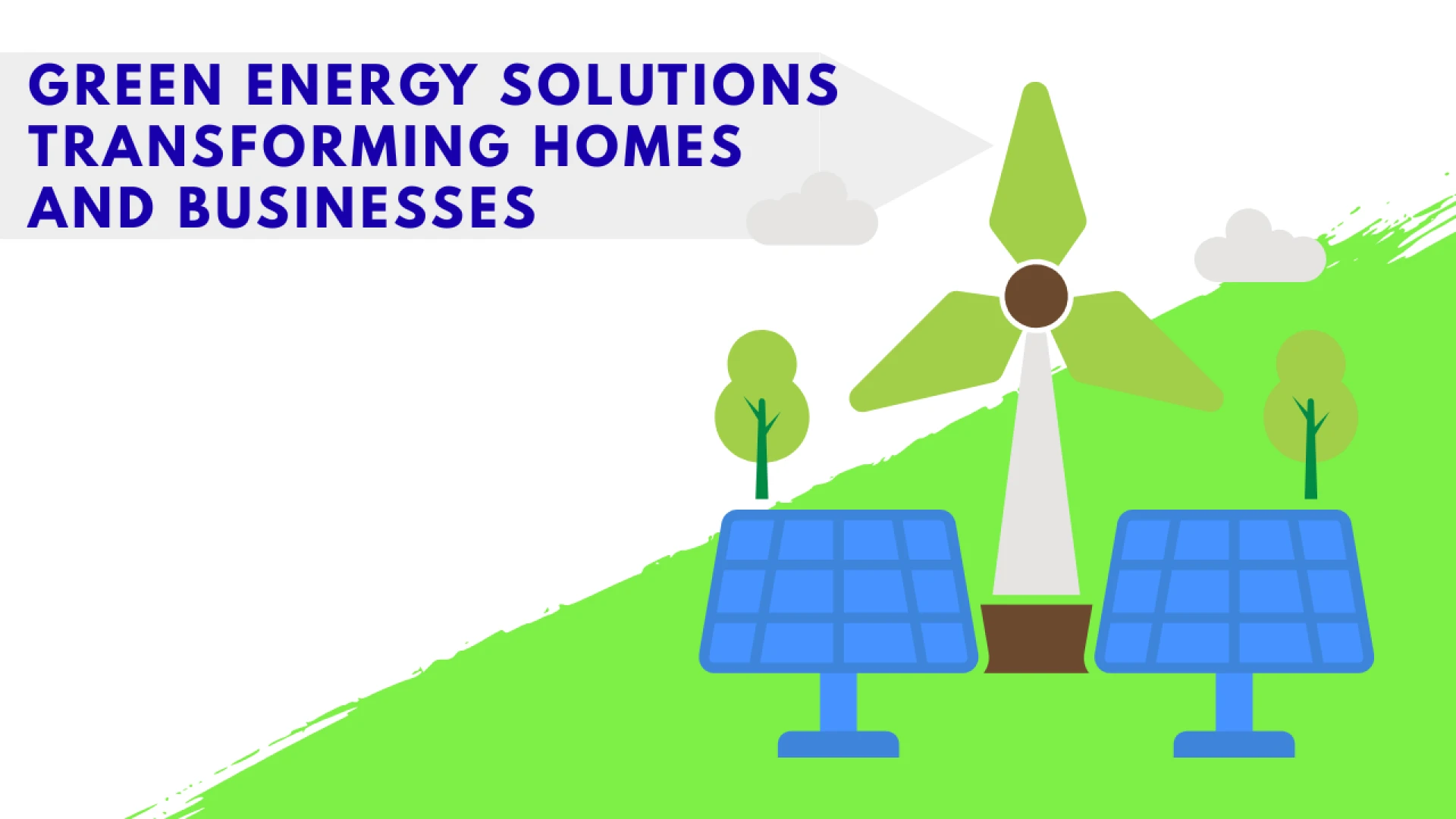
Thailand, like much of Southeast Asia, is grappling with the dual challenge of ensuring energy security for its rapidly expanding economy while mitigating the severe environmental impacts of fossil fuel reliance. For decades, the nation has depended heavily on imported natural gas, exposing its economy to volatile global fuel prices and contributing significantly to greenhouse gas emissions. However, this dependence is changing, driven by ambitious national commitments and a powerful shift in the domestic market.
This fundamental re-engineering of the power landscape is anchored by the push for green energy. Far from being a niche concept, green energy—primarily derived from abundant local resources like solar, wind, and biomass—is transforming the operational realities of homes and businesses across the country. From residential rooftops in Chiang Mai to major manufacturing facilities in the Eastern Economic Corridor (EEC), the adoption of these sustainable energy solutions is not just an environmental choice but a calculated financial strategy to reduce operating costs, increase energy independence, and align Thai industry with growing global sustainability standards.
1. Solar Power: The Dominant Green Solution
Thailand’s location near the equator provides it with abundant solar irradiance, making solar photovoltaic (PV) technology the most cost-effective and widespread green energy solution available. This resource is being harnessed across utility-scale projects and distributed, consumer-level installations.
Rooftop Solar for Self-Consumption
For both residential and commercial sectors, rooftop solar panels are proving to be the most accessible entry point into green energy.
- Commercial and Industrial (C and I) Scale: Businesses, particularly those with large factory or warehouse roofs and high daytime energy consumption (e.g., cold storage, manufacturing), are installing large PV systems for self-consumption. These systems significantly offset peak daytime electricity tariffs imposed by the Provincial Electricity Authority (PEA) or the Metropolitan Electricity Authority (MEA), resulting in immediate and substantial cost savings.
- Residential Incentives: The government has accelerated residential adoption with supportive policies. Homeowners who install grid-connected solar systems (up to 10 kilowatt-peak) can sell their excess electricity back to the grid under a net billing scheme, in addition to benefiting from personal income tax deductions on installation costs up to 200,000 baht. This helps reduce the payback period for the initial investment.
Floating Solar Technology
Leveraging the country's extensive water bodies, Thailand has also pioneered the use of floating solar farms.
- EGAT’s Innovation: The Electricity Generating Authority of Thailand (EGAT) has successfully deployed large-scale floating solar projects on its reservoir surfaces. These installations offer dual benefits: they conserve valuable land space and the cooling effect of the water helps maintain the efficiency of the solar panels, which is a significant advantage in Thailand's high ambient temperatures.
2. Bioenergy: Harnessing Agricultural Abundance
As a major agricultural producer, Thailand has vast amounts of organic waste, including rice husks, bagasse (sugarcane residue), and palm oil residue. Bioenergy solutions convert these residues into usable electricity and heat, offering a reliable, dispatchable power source unlike intermittent solar and wind.
Biomass Power Plants
These plants utilize agricultural waste to generate power, supporting both energy security and the local economy.
- Rural Economic Impact: Biomass power generation offers a decentralized energy solution, often situated near the source of the fuel in rural, agricultural provinces. This creates local jobs and provides farmers with an additional income stream by selling their agricultural byproducts, fostering an integrated Bio-Circular-Green (BCG) economy model advocated by the government.
- Biogas from Waste: Factories and farms that produce high volumes of organic effluent (such as pig farms or food processing facilities) are increasingly installing anaerobic digesters to convert waste into biogas. This biogas is then used to fuel combined heat and power (CHP) generators for their own electricity needs, simultaneously solving a waste disposal challenge and cutting power costs.
3. The Enablers: Energy Storage and Smart Grids
While solar and bioenergy provide the generation, two complementary technologies are crucial for the mass adoption of green energy, addressing the inherent variability of renewables and maintaining a stable grid.
Battery Energy Storage Systems (BESS)
Battery storage is the key to unlocking the full potential of intermittent sources like solar, especially in mitigating Thailand's evening peak load.
- Peak Shaving: For large commercial users, BESS charges batteries during the day when solar generation is high or utility rates are low, and then discharges the stored energy during the evening peak demand period. This peak shaving dramatically lowers their demand charge from the utility, resulting in significant savings.
- Grid Stability: On a utility scale, BESS acts as a rapid response mechanism to stabilize the national grid, quickly absorbing or supplying power to correct frequency variations caused by sudden dips in solar or wind output.
Smart Grid Infrastructure
The government's long-term plan includes substantial investment in smart grid technology to manage the decentralized nature of distributed green energy.
- Two-Way Flow: A smart grid facilitates the two-way flow of electricity and data. This allows the MEA and PEA to effectively integrate thousands of small, private rooftop solar installations, managing the power flow back into the grid and ensuring the entire system remains balanced and reliable.
- Enhanced Monitoring: Smart meters and automated controls allow for quicker identification and isolation of faults, improving the reliability indices of the distribution network and reducing downtime for customers.
4. Why Green Energy is a Business Imperative
For Thai businesses, the transition to green energy is no longer just about corporate social responsibility (CSR); it is a critical component of financial resilience and global competitiveness.
Hedging Against Energy Cost Volatility
By investing in self-generation, businesses insulate themselves from the high costs and unpredictable nature of imported fossil fuels.
- Fixed Cost of Energy: Once a solar or bioenergy system is installed, the fuel source (sunshine or waste) is essentially free. This fixes a major component of operational cost for 20 to 25 years, providing long-term predictability and a critical competitive advantage over businesses relying solely on fluctuating utility rates.
- Energy Security: Generating power locally reduces reliance on the centralized grid, offering a buffer against regional supply shocks or maintenance outages that could halt production.
Meeting Global Sustainability Standards
Thai companies are acutely aware of the pressure from international markets and supply chains to reduce their carbon footprint.
- Export Requirements: Many Thai businesses are part of global supply chains supplying major companies in the EU, US, and Japan. These international partners increasingly demand evidence of renewable energy usage. Certifications and the direct use of self-generated solar power help these businesses maintain compliance and market access.
- Green Finance and Investment: Thai financial institutions are actively supporting this transition, offering sustainable loans and green bonds. Companies with clear, credible sustainability roadmaps are finding it easier to attract capital and investment, positioning climate action as a "competitive edge."
Conclusion: The Path to Carbon Neutrality
The adoption of Green Energy solutions—led by the vast potential of solar, supported by the reliability of bioenergy, and enabled by intelligent battery storage and smart grid infrastructure—is fundamentally restructuring Thailand's energy landscape. Backed by clear government targets for carbon neutrality by 2050 and powerful financial incentives for both businesses and households, the shift is accelerating. This transition is delivering multiple dividends: strengthening the nation’s energy security, reducing massive reliance on imported gas, stimulating rural economies, and ultimately securing a more sustainable and economically predictable future for homes and businesses across the Kingdom.
FAQs
What are Thailand's key targets for Green Energy adoption?
Thailand has set ambitious goals in its latest energy planning documents. The current aim is to increase the share of renewable energy in the power generation mix to 51 percent by 2037, up from current levels. This transition is key to meeting the country's long-term commitment to achieving carbon neutrality by 2050 and net-zero emissions by 2065.
How does the government encourage homeowners to install solar panels?
The Thai government uses a dual approach: financial and operational support. Financially, individuals can claim a personal income tax deduction of up to 200,000 baht for the purchase and installation of a residential rooftop solar system (up to 10 kilowatt-peak). Operationally, homeowners can participate in a net billing scheme that allows them to sell their excess generated electricity back to the Provincial Electricity Authority (PEA) or the Metropolitan Electricity Authority (MEA).
What is the advantage of Bioenergy over Solar Power?
The main advantage of Bioenergy (Biomass and Biogas) is its dispatchability and reliability. Solar power is intermittent—it only generates electricity when the sun is shining. Bioenergy, however, uses stored fuel (agricultural waste or organic residues) and can generate power continuously, 24 hours a day, providing a stable, base-load power source that complements the variable output of solar and wind.
What is the "Power Factor" and why is it important for business efficiency?
The Power Factor (PF) is a measure of how effectively electrical power is being converted into useful work. A low power factor means more power is being consumed than necessary, leading to losses and inefficiency. Businesses adopting green energy often improve their PF, and the use of modern energy-efficient machinery (often supported by tax incentives for high-efficiency equipment) ensures that the electricity generated from their new solar or bioenergy systems is used with maximum efficiency.