
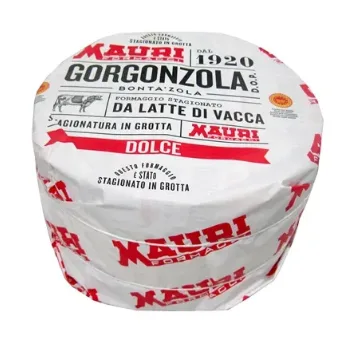
When you ask most home cooks to describe gorgonzola or taleggio, you'll probably get a shrug or, worse, a description that completely confuses the two. Both are classic Italian washed-rind or blue-veined cheeses, often mislabeled on Canadian shelves, and much more adaptable than their reputation as "strong-smelling cheese" implies.
Anyone building a serious collection of gourmet ingredients in Canada and seeking clarification on two cheeses that are far too frequently combined should refer to this guide. We'll discuss the true differences between Taleggio and Gorgonzola, how to spot genuine versions, and how to use them without wasting a wedge on a dish that doesn't fit their character.
What Makes These Cheeses Different?
Gorgonzola is a blue cheese with a sharper, tangier bite, available in dolce (creamy, mild) and piccante (firm, intense) varieties. Taleggio is a soft, cow's milk cheese with a strong aroma and a fruity flavor. Since both are DOP-protected Italian cheeses, genuine varieties must come from particular areas and adhere to the production guidelines.
Why Getting This Right Matters?
Purchasing the wrong type of cheese or a generic knockoff marketed under a similar brand wastes money and yields unsatisfactory culinary results. A dish meant for the mellow creaminess of Taleggio will be overwhelming to someone who is expecting the sharp bite of Gorgonzola. Whether you're making risotto or assembling a cheese board, knowing the difference enables you to make intentional purchases and achieve consistent results.
Understanding Taleggio and Gorgonzola
Taleggio a Classic Washed-Rind Italian Cheese
Taleggio is from Lombardy and has a unique scent due to its orange, sticky rind, which develops from frequent washing during aging. The interior is soft, buttery, and only slightly tangy, more akin to a mellow brie than anything sharp, despite the scent. It melts beautifully and is a great option for polenta, baked goods, or just spreading on warm bread.
Gorgonzola Dolce and Piccante Explained
Gorgonzola cheese Canada is often sold without distinguishing between its two varieties, which leads to confusion. Dolce gorgonzola is mild enough to spread, younger, and creamier. Pecorino Gorgonzola is best suited for crumbling over salads or melting into a potent pasta sauce because it is aged longer, firmer, and significantly sharper. The most frequent error made by home cooks is not knowing which style they are purchasing.
Identifying Authentic DOP Versions
In the EU, both cheeses have Protected Designation of Origin (DOP) status, meaning that authentic varieties are produced only in specific Italian regions using specific techniques. The DOP designation is usually prominently displayed on authentic packaging. Even if they are stored close by, generic "Italian-style" blue cheese and washed-rind cheese produced outside of Italy are not the same product.
Tips for Choosing and Serving Italian Cheese
- Before serving, let the Taleggio come to room temperature for at least half an hour, as cold temperatures muffle its flavor.
- Dolce gorgonzola should be paired with pears or honey; piccante should be paired with a more robust red wine or walnuts.
- To avoid moisture buildup and maintain the integrity of the rind, store both cheeses wrapped in wax or parchment paper, never plastic.
- Both cheeses are best consumed within a few weeks of cutting, so buy smaller wedges more often rather than a big block that is left unused.
- Instead of depending solely on generic "imported" labeling when investigating other gourmet ingredients in Canada, look for retailers who explicitly list DOP or PDO status.
Taleggio vs. Gorgonzola at a Glance
FactorTaleggioGorgonzolaType Washed and soft Blue-veined Flavour Mild and Fruity Tangy, sharp TextureSoft and spreads when ripe Creamy or crumblyBest Use Melting, baking and spreadingCrumbling, sauces and bold pairingsRegion Lombardy, Italy Piedmont/Lombardy, Italy
Why Sourcing Matters More Than the Cheese Aisle Label?
An "Italian blue cheese" sign on a cheese counter does not reveal much about its age or authenticity. A generic import doesn't meet the regional production standards, aging conditions, and milk sources required for authentic DOP Taleggio and Gorgonzola. The only way to tell that you're getting the real thing rather than a domestic knockoff with a similar name is to purchase from a retailer that discloses DOP status and sourcing information.
How Does Taste for Luxury Inc Source Its Cheese Selection?
Instead of using generic "gourmet" labeling, Taste for Luxury Inc cheese catalog is based on authenticity, collaborating with small artisan producers and revealing the origin of each cheese. Freshness is valued over long shelf storage, with cheeses like Taleggio and Gorgonzola often ordered specifically for each customer. The broader collection includes a wide variety of gourmet ingredients from across Canada, carefully handled and shipped nationwide.
Frequently Asked Questions
1. What’s the actual flavour difference between Taleggio and Gorgonzola?
Despite its potent washed-rind scent, Taleggio has a buttery texture and a mild, fruity, slightly tangy flavor. Depending on whether it's piccante (firmer, more pungent) or dolce (milder, creamier), gorgonzola is distinctly sharper and tangier. In contrast to the more assertive bite of gorgonzola, taleggio's mild flavor often surprises people who expect it to taste as strong as it smells.
2. Can I substitute Gorgonzola for Taleggio in a recipe?
It's feasible, but the outcomes will be very different because Taleggio's gorgonzola's sharper, tangier profile can overpower Taleggio's mellow creaminess. Dolce gorgonzola is a better option than piccante if a recipe calls for Taleggio's melting quality in a baked dish. Still, neither will fully capture Taleggio's unique, buttery, fruity character.
3. How long do Taleggio and Gorgonzola last once opened?
When properly wrapped in wax or parchment paper and stored in the refrigerator's vegetable drawer, both cheeses are best eaten within 1 to 2 weeks of opening. Buying smaller portions more frequently yields better results than keeping a large wedge for a long time because its flavor and texture change quickly once cut.
4. Why is Authentic DOP cheese more expensive than generic alternatives?
Compared to mass-produced products, DOP-certified cheese must follow strict regional production standards, specific aging times, and conventional techniques that limit output and raise labor costs. Also, this certification ensures that the cheese truly comes from the designated Italian region, something that generic "Italian-style" substitutes, which are frequently produced elsewhere using shortcuts, cannot claim, even with similar branding or packaging.
5. Where can I buy authentic Taleggio and Gorgonzola cheese online in Canada?
Since they prioritize traceability over generic labeling, specialty retailers that source directly from artisan producers and openly disclose DOP status are the most dependable. Compared to most local cheese counters, which have major issues surrounding shelf space and regional distributor relationships, ordering online usually offers a greater selection of genuine gourmet ingredients across Canada.
Buying With Confidence and Not Guesswork
Gorgonzola and Taleggio should not come under the heading of "strong Italian cheese." Before buying, know the difference and purchase from a supplier that discloses origin and DOP status. This will make sure that every wedge truly delivers the flavor and texture it is known for.
Are you prepared to experience the real thing? Explore the cheese selection at Taste for Luxury Inc and discover authentic Italian imports shipped across Canada.