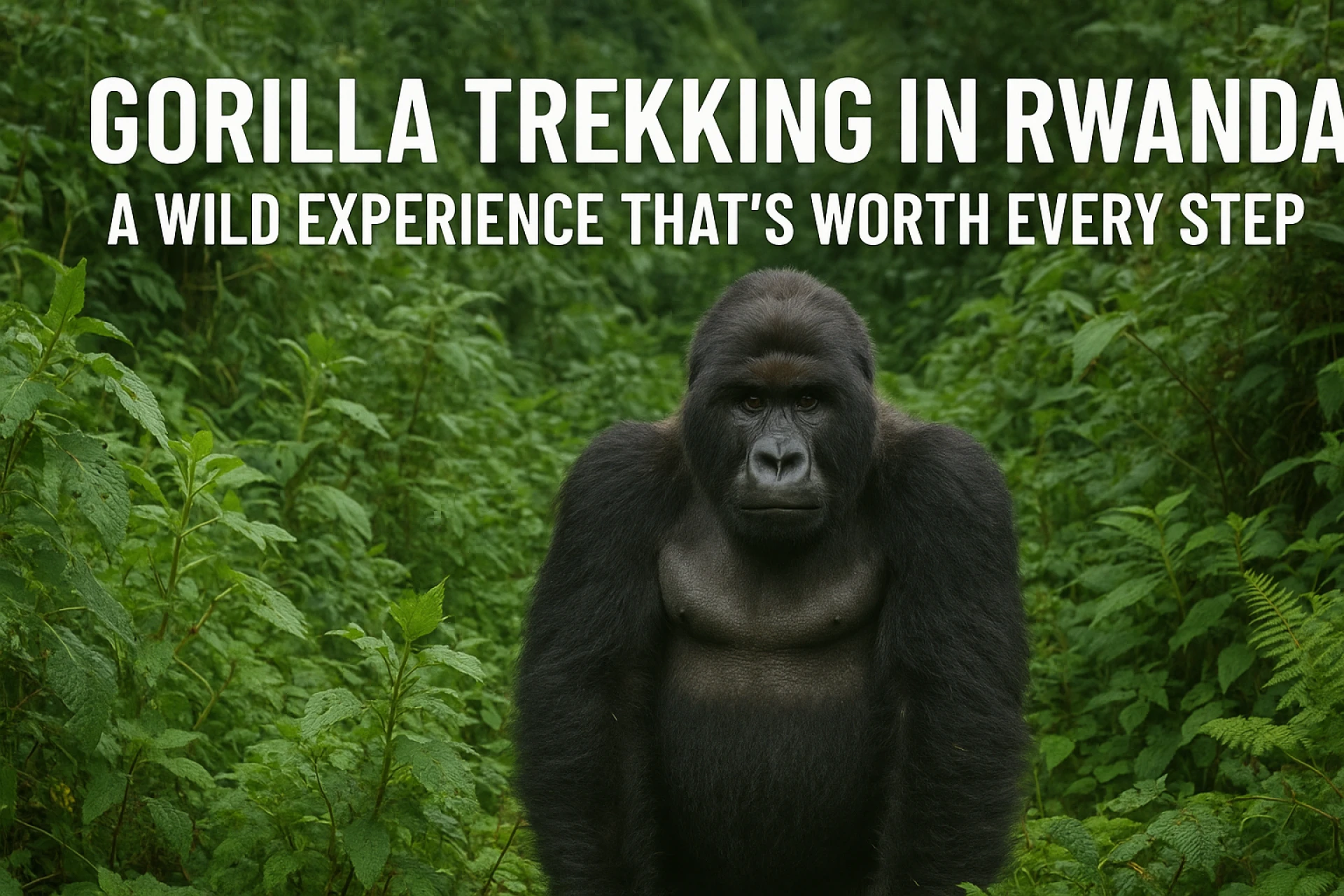
If you're looking for an adventure that’s raw, rare, and real, gorilla trekking in Rwanda is it. There’s no safari truck, no glass barrier—just you, the forest, and the world’s last remaining mountain gorillas.
Why Rwanda?
Rwanda is one of only three countries where mountain gorillas live in the wild. The others are Uganda and the Democratic Republic of Congo, but Rwanda stands out for accessibility and infrastructure. The gorillas live in Volcanoes National Park, a two-hour drive from Kigali, which makes it possible to land in the capital and be tracking gorillas the next morning.
The Trek
A typical trek starts early. You’ll be assigned to a group based on fitness level and guided by expert trackers who know every inch of the forest. The hike can take anywhere from 30 minutes to several hours depending on where the gorillas nested the night before.
This isn’t a stroll. It’s muddy, steep, and unpredictable. But the moment you lock eyes with a silverback or watch a baby tumble through the vines, you forget every ache.
The Rules
You only get one hour with the gorillas. It’s strictly regulated to minimize stress and disease transmission. You keep a safe distance, stay quiet, and follow the ranger’s lead at all times.
Permits cost $1,500 per person. Expensive? Yes. Worth it? Absolutely. That money funds conservation, supports local communities, and protects a species that almost vanished.
Beyond the Gorillas
Rwanda has more to offer than primates. You can explore Kigali’s vibrant food scene, visit the sobering Genocide Memorial, or take a boat trip on Lake Kivu. But the gorilla trek is the headline act—and for good reason.
Final Word
This isn’t just a bucket-list item. It’s a reminder of what’s at stake and why wild places matter. Gorilla trekking in Rwanda isn’t just travel. It’s connection—with nature, with a species on the edge, and maybe, with something in yourself.