Footwear plays an important role in everyday comfort, personal style and practicality. While modern shoe manufacturing offers plenty of options, traditional construction methods continue to attract people who appreciate durability and attention to detail. Among these methods, Goodyear welting has earned a strong reputation for producing well-made footwear that can last for years with appropriate care. Understanding how this technique works can help buyers make more informed decisions when choosing boots for work, everyday wear or special occasions.
Understanding the Goodyear Welting Construction Method
Goodyear welting is a traditional footwear construction technique that connects the upper part of a boot to its sole using a strip of leather or another suitable material called a welt. Rather than attaching the sole directly to the upper, manufacturers stitch the welt to the upper and insole before securing the outsole to the welt.
This construction creates a strong connection between the different parts of the footwear. It also provides an advantage when repairs are needed, as the outsole can often be replaced without rebuilding the entire boot.
The method is valued for its combination of craftsmanship, structural strength and long-term practicality. Although the manufacturing process can require more time and skill than simpler construction techniques, the finished footwear offers benefits that many buyers appreciate.
Why Goodyear Welt Boots Are Worth Considering
One of the main reasons people choose traditionally constructed footwear is its potential for longevity. Goodyear welt boots are designed with repairability in mind, making them an appealing option for individuals who prefer investing in quality rather than regularly replacing worn-out shoes.
The construction method also provides a supportive foundation. The layered structure helps maintain the boot's shape while allowing the materials to adapt gradually to the wearer's feet.
Other advantages include:
- Repairability: The outsole can generally be replaced by a skilled cobbler when it becomes worn.
- Durable construction: Multiple stitched components help create a secure and dependable structure.
- Long-term value: Regular maintenance and occasional repairs can extend the useful life of the footwear.
- Versatile styling: Traditional designs work well with casual outfits, smart-casual clothing and certain formal combinations.
- Material quality: Many traditionally welted boots use full-grain or other quality leathers that develop character over time.
These features make this construction particularly attractive to buyers who value practicality alongside appearance.
Different Styles for Different Occasions
Boots are available in numerous designs, each offering different styling possibilities. Choosing the right option depends on personal preference, wardrobe requirements and the environments in which the footwear will be worn.
Classic Leather Boots
Classic leather boots are a popular choice for people who appreciate timeless footwear. Their clean shapes and understated appearance make them suitable for a range of outfits.
Brown and black leather options are particularly versatile. Brown pairs naturally with denim, chinos and earthy colours, while black provides a sharper appearance that works well with darker clothing.
Chelsea Boots
Chelsea boots feature elasticated side panels and a convenient slip-on design. Their streamlined appearance makes them suitable for both casual and smart-casual outfits.
They can be worn with tailored trousers, dark denim or chinos, making them a practical addition to a versatile wardrobe.
Brogue Boots
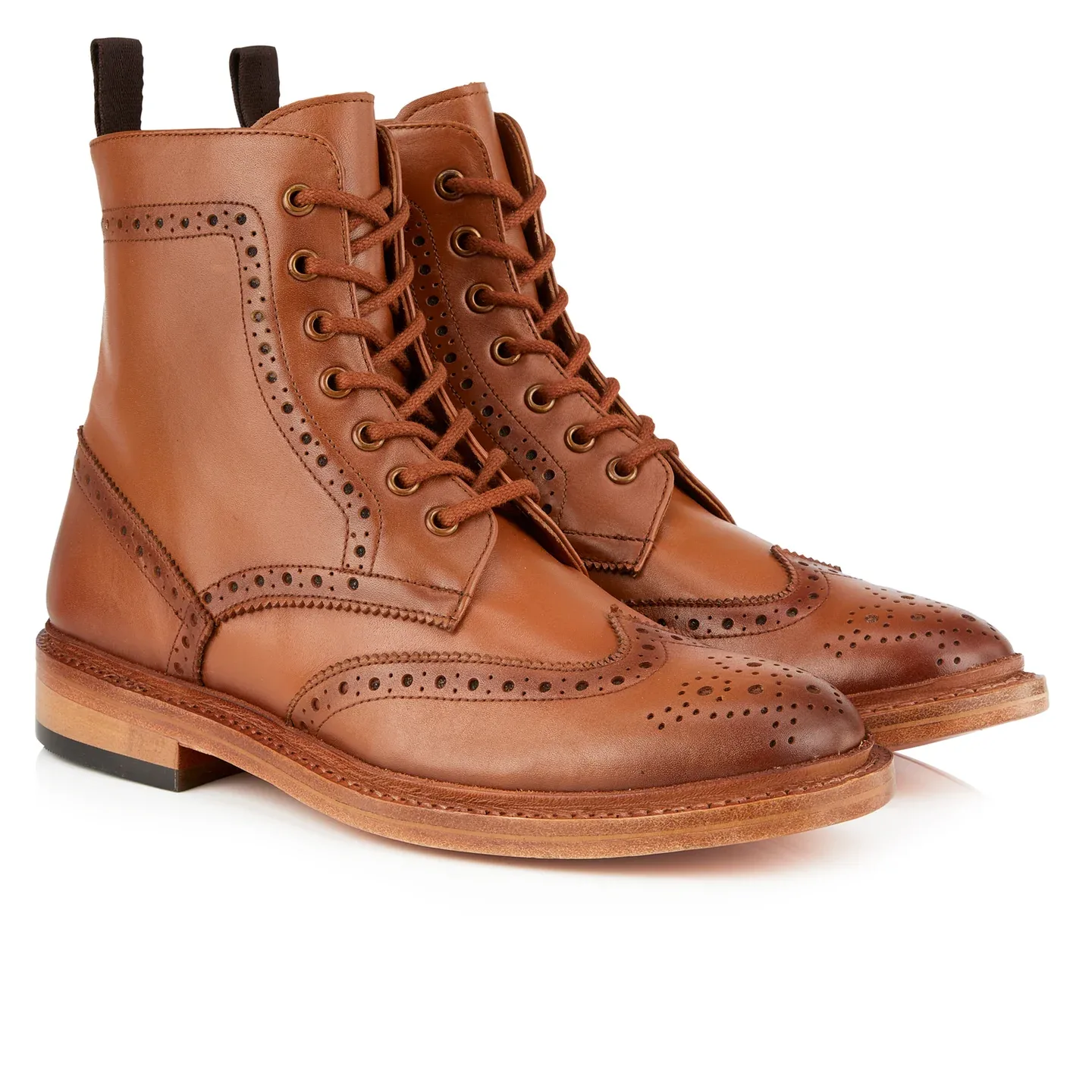
Brogue boots feature decorative perforations that add traditional character to their appearance. Depending on their design and finish, they can complement smart-casual clothing and more relaxed everyday outfits.
Their detailed styling offers an alternative to plain leather boots without appearing overly elaborate.
Choosing the Right Leather and Materials
The quality of the materials used in footwear has a considerable influence on comfort, appearance and durability. Leather remains a popular choice because it offers a balance of flexibility, strength and visual appeal.
Full-grain leather is often associated with premium footwear because it retains the natural grain of the hide. With suitable conditioning and regular cleaning, it can develop an attractive patina as it ages.
Other leather types also have their own characteristics. Corrected-grain leather, for example, generally has a more uniform surface, while suede provides a softer texture and a different appearance.
The outsole is another important consideration. Leather soles offer a traditional finish and can be suitable for indoor and dry-weather settings. Rubber soles generally provide greater grip and can be more practical in wet conditions.
When comparing footwear, consider the following factors:
- The quality and thickness of the leather.
- The strength and finish of the stitching.
- The material used for the outsole.
- The shape and support of the footbed.
- The overall weight and flexibility of the boot.
A well-balanced combination of materials can make a noticeable difference to everyday wear.
Finding the Right Fit for Everyday Comfort
Even beautifully constructed footwear will not feel comfortable if it does not fit correctly. Boot sizing can vary between manufacturers, so relying entirely on your usual shoe size is not always advisable.
Start by measuring both feet, as one may be slightly larger than the other. Try boots on while wearing the type of socks you would normally use with them. There should be enough room for your toes to move naturally without allowing excessive movement around the heel.
Leather footwear may soften and adapt to the shape of your feet over time. However, this does not mean that boots should feel painful or excessively tight when first worn.
It is also worth considering the intended use. Someone purchasing boots for regular walking may prioritise cushioning and grip, while someone looking for smarter footwear may focus more on shape, finish and styling.
How to Maintain Leather Boots Properly
Good maintenance is essential for preserving the appearance and condition of quality footwear. Leather can become dry, marked or damaged when it is exposed to dirt, moisture and unsuitable cleaning products.
A simple maintenance routine can help prevent these problems.
Clean Them Regularly
Remove loose dirt using a soft brush or slightly damp cloth. Pay attention to the stitching, welt and areas around the sole, where dust and debris can collect.
Condition the Leather
Apply a suitable leather conditioner periodically to help maintain flexibility and prevent excessive dryness. Always follow the manufacturer's instructions and test products on a small, less visible area first.
Allow Them to Dry Naturally
If your boots become wet, allow them to dry at room temperature. Keep them away from radiators and direct heat, as excessive temperatures can damage leather and affect its shape.
Use Shoe Trees
Wooden shoe trees can help maintain the shape of leather boots between wears. They can also assist with absorbing some internal moisture.
Arrange Repairs When Needed
Do not wait until the outsole is completely worn through before seeking professional advice. A cobbler can assess the condition of the sole, stitching and other components and recommend suitable repairs.
The Importance of Traditional Craftsmanship
Traditional footwear construction represents an approach that values careful workmanship and practical design. Although modern manufacturing methods have made footwear more accessible, skilled construction remains important to people who appreciate quality materials and repairable products.
Creativity, technical knowledge and attention to detail all contribute to the final result. Brands such as Amen Shoes form part of a wider footwear market where different styles, materials and construction approaches give customers more choice when selecting suitable footwear.
Understanding these differences helps buyers look beyond appearance alone. Details such as stitching quality, leather selection, sole attachment and finishing can provide useful indications of how carefully a boot has been made.
It is also important to remember that construction alone does not guarantee quality. Material selection, manufacturing standards, fit and ongoing maintenance all influence the overall performance of a pair of boots.
Are Traditionally Welted Boots Suitable for Modern Wardrobes?
Traditional footwear can work particularly well with contemporary clothing. The key is choosing a design that complements your existing wardrobe rather than focusing solely on current trends.
For a relaxed everyday look, pair brown leather boots with straight-leg jeans and a simple jumper. For a smarter combination, black leather boots can be worn with tailored trousers and a well-fitted coat.
Chelsea and brogue designs offer further flexibility, particularly for people who want footwear that can transition between different settings.
Amen Shoes is one example of a footwear retailer within a market that caters to different preferences, from classic designs to more contemporary styles. When comparing options, consider how frequently you will wear the boots and whether their design suits your everyday requirements.
Making a More Informed Footwear Investment
Buying quality boots involves more than comparing prices or choosing the most attractive design. It is worth considering the expected frequency of wear, material quality, construction method and potential repair costs.
A more expensive pair is not automatically the better choice. Buyers should examine the actual workmanship, comfort and materials before making a decision.
Traditional welted construction can offer excellent long-term practicality when combined with suitable leather and professional maintenance. However, it may not be necessary for everyone. People who rarely wear boots or prefer lightweight footwear might find simpler construction methods more suitable for their needs.
The most sensible approach is to choose footwear that matches your lifestyle, provides a comfortable fit and offers the right balance between appearance and performance.
Conclusion
Quality footwear is an investment in comfort, practicality and personal style. Traditional construction methods continue to appeal because they combine skilled workmanship with the possibility of long-term maintenance and repair.
Whether you prefer classic leather designs, Chelsea boots or brogue styles, understanding the construction process can help you make a more confident purchasing decision. Amen Shoes is part of a diverse footwear market where buyers can compare different designs and consider what best suits their needs.
With careful selection, regular cleaning and appropriate repairs, a well-made pair of boots can remain a useful and stylish part of your wardrobe for many years.