The rapid evolution of mobile communication—from 4G LTE to 5G and beyond—has placed RF transceiver chips at the core of modern base station infrastructure. These chips enable the transmission and reception of radio signals, directly influencing network coverage, capacity, latency, and energy efficiency. As telecom operators expand 5G networks and prepare for future 6G architectures, the competitive landscape of the RF transceiver chips market for base stations has become increasingly complex and strategically important.
This article provides a comprehensive and objective overview of the market, integrating global RF transceiver chips for base stations market analysis as a highlighted keyword, while examining key drivers, tradeoffs, challenges, and decision-making considerations shaping the industry.
Understanding RF Transceiver Chips in Base Stations
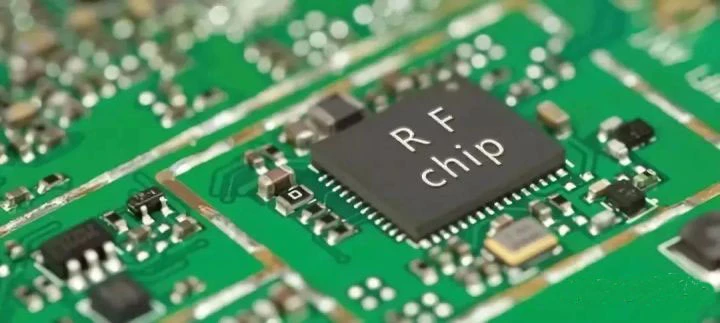
RF transceiver chips are integrated circuits that combine both transmitter and receiver functions, handling frequency conversion, modulation, and signal conditioning. In base stations, they play a critical role in:
- Supporting multiple frequency bands and standards
- Enabling Massive MIMO (multiple-input, multiple-output) configurations
- Improving spectral efficiency and signal quality
- Reducing power consumption and operational costs
With 5G deployments emphasizing higher frequencies, wider bandwidths, and dense network architectures, transceiver chip design has become more advanced and competitive.
Global Market Overview and Growth Drivers
The global RF transceiver chips for base stations market analysis indicates strong growth momentum driven by several factors:
- 5G Rollouts Worldwide
- Large-scale 5G deployments across North America, Europe, and Asia-Pacific are fueling demand for high-performance RF components capable of handling sub-6 GHz and millimeter-wave bands.
- Network Densification
- Small cells, macro cells, and distributed antenna systems require compact, power-efficient transceiver solutions, increasing unit demand.
- Technological Convergence
- Integration of RF front-end modules, digital signal processing, and software-defined radio architectures is reshaping competitive differentiation.
- Government and Regulatory Support
- National broadband initiatives and spectrum auctions are accelerating infrastructure investments, indirectly boosting chip demand.
Despite this growth, pricing pressure from telecom equipment manufacturers remains a defining market characteristic.
Competitive Landscape and Key Players
The competitive landscape is characterized by a mix of established semiconductor giants and specialized RF technology providers. Competition centers on:
- Performance: Noise figure, linearity, bandwidth, and latency
- Integration Level: System-on-chip (SoC) vs. discrete solutions
- Power Efficiency: Critical for reducing base station operating costs
- Scalability: Ability to support evolving standards and bands
Leading players invest heavily in R&D to maintain technological leadership, while smaller firms often focus on niche applications such as mmWave or open radio access network (Open RAN) architectures.
Strategic partnerships between chipmakers and telecom equipment vendors are increasingly common, helping align product roadmaps with real-world deployment needs.
Key Tradeoffs in RF Transceiver Chip Development
Balancing competing design and business factors is central to market competition:
1. Performance vs. Power Consumption
Higher performance often increases power draw and heat generation. Designers must balance throughput and signal quality against energy efficiency, especially for dense 5G networks.
2. Integration vs. Flexibility
Highly integrated chips reduce size and cost but may limit customization. Modular approaches offer flexibility but increase system complexity and bill of materials.
3. Time-to-Market vs. Long-Term Scalability
Rapid product launches are critical in fast-moving telecom cycles, yet chips must also support future upgrades and standards to remain viable.
These tradeoffs directly affect purchasing decisions by base station manufacturers and network operators.
Challenges Facing the Market
Despite strong demand, several challenges shape the competitive environment:
- Technological Complexity: Supporting multiple bands, carrier aggregation, and Massive MIMO increases design difficulty.
- Supply Chain Risks: Semiconductor shortages and geopolitical factors can disrupt production and pricing.
- Cost Pressure: Telecom operators demand lower total cost of ownership, squeezing margins across the value chain.
- Standard Evolution: Continuous updates to 3GPP standards require ongoing redesign and validation.
Companies that can manage these challenges while maintaining innovation are best positioned for long-term success.
Importance of Impact Considerations in Decision-Making
When evaluating RF transceiver chip solutions, stakeholders must consider broader impacts beyond technical specifications. These include:
- Energy Efficiency and Sustainability: Lower power consumption reduces carbon footprint and operating expenses.
- Network Reliability: Chip quality directly affects service uptime and user experience.
- Future-Proofing: Compatibility with Open RAN and future network upgrades protects long-term investments.
Such considerations are increasingly central to procurement and strategy decisions in the telecom ecosystem.
Complete Industry Breakdown
- Chip Designers & Manufacturers: Develop RF transceiver architectures and process technologies
- Telecom Equipment OEMs: Integrate chips into base stations and radio units
- Network Operators: Drive demand through deployment strategies and performance requirements
- Foundries & Supply Chain Partners: Enable large-scale production
- Regulatory Bodies: Influence spectrum use and compliance standards
Each segment plays a role in shaping competition and innovation.
Frequently Asked Questions (FAQs)
Q1: What makes RF transceiver chips critical for base stations?
They handle signal transmission and reception, directly affecting coverage, capacity, and efficiency.
Q2: How does 5G impact the RF transceiver chips market?
5G increases demand for high-frequency, high-bandwidth, and low-latency transceiver solutions.
Q3: What is the role of Open RAN in this market?
Open RAN promotes interoperability, creating opportunities for new chip suppliers and increasing competition.
Q4: Are integrated or discrete RF solutions better?
It depends on application needs—integrated solutions reduce cost and size, while discrete designs offer flexibility.
Q5: What drives the global RF transceiver chips for base stations market analysis outlook?
5G expansion, technological innovation, and infrastructure investments are the primary drivers.
The competitive landscape of the RF transceiver chips market for base stations is shaped by rapid technological change, intense competition, and evolving network requirements. As highlighted in the global RF transceiver chips for base stations market analysis, success depends on balancing performance, efficiency, cost, and scalability while considering long-term impacts on network sustainability and reliability. For stakeholders across the telecom value chain, informed and forward-looking decisions are essential in navigating this dynamic and high-stakes market.
Read also