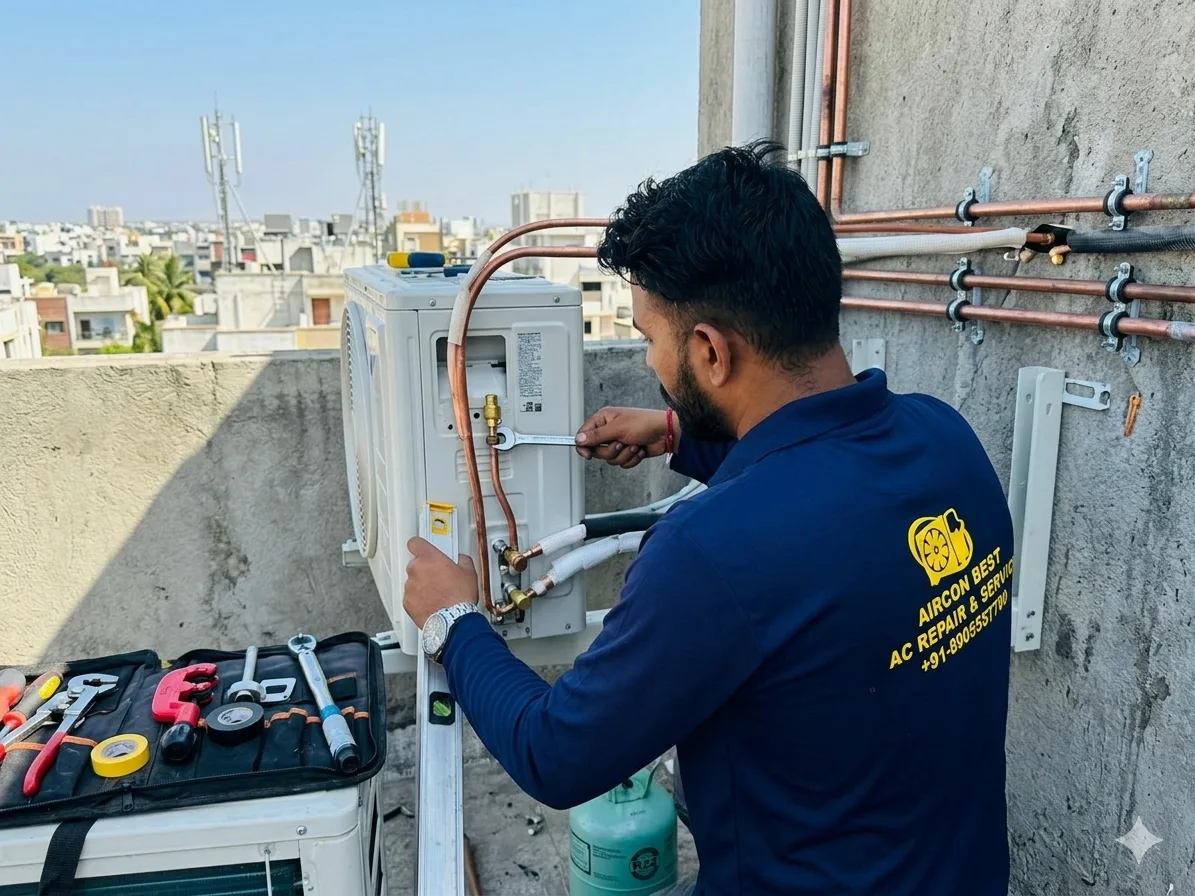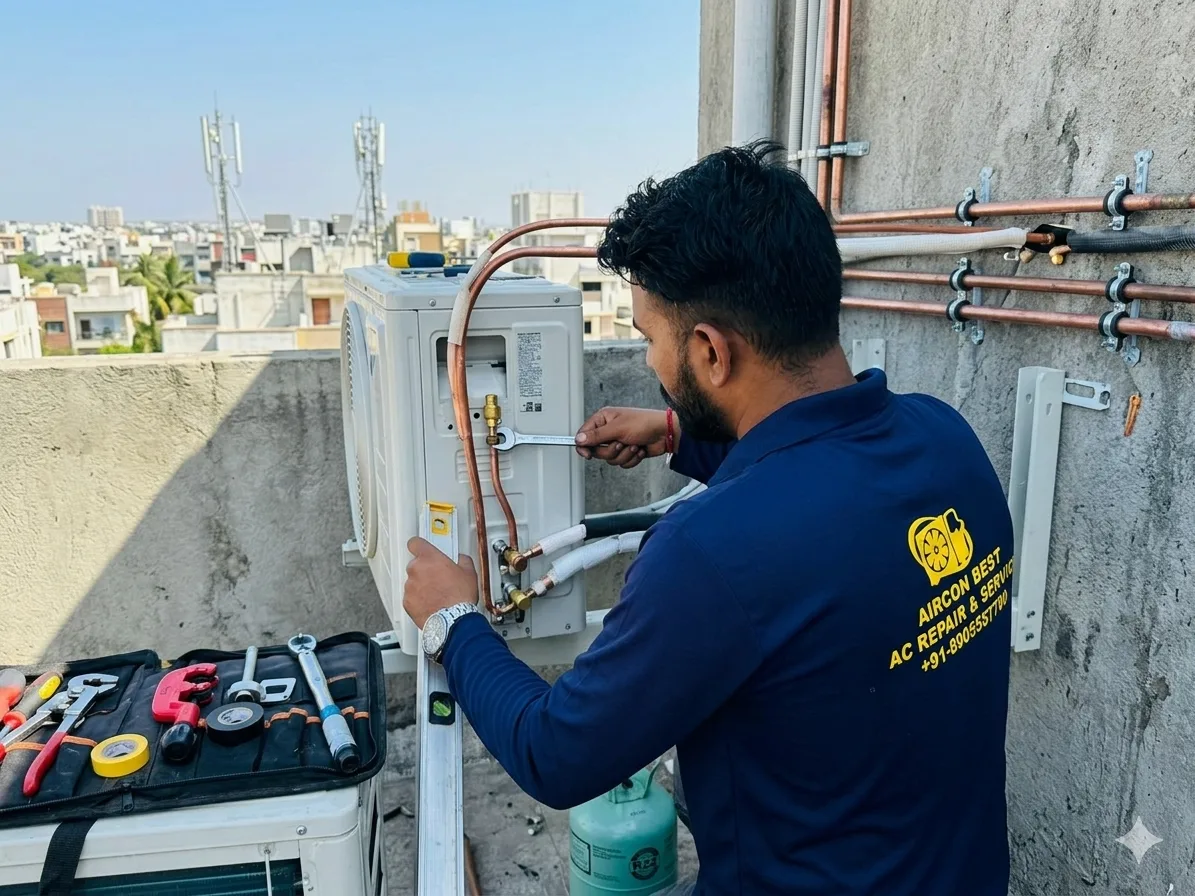
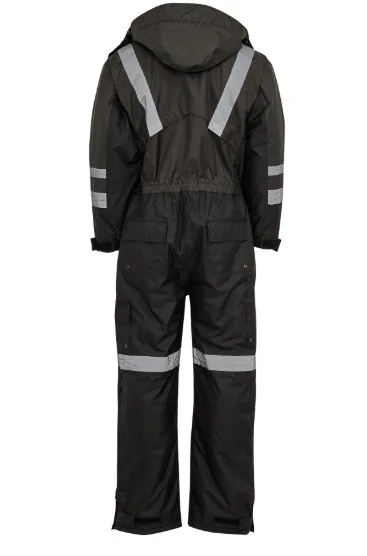
The global industrial workwear and gear industry is witnessing strong expansion, driven by increasing workplace safety regulations, industrial modernization, and rising demand for advanced protective apparel. According to The Insight Partners, the market is projected to grow from US$ 52.81 billion in 2025 to US$ 93.08 billion by 2034, registering a CAGR of 6.5% during 2026–2034. This growth highlights the rising importance of industrial safety solutions across construction, oil & gas, manufacturing, chemicals, and mining sectors.
Industrial workwear and gear include protective clothing, uniforms, safety footwear, gloves, and specialized equipment designed to minimize occupational hazards. The industry is evolving from basic protective garments to high-performance, technology-integrated solutions that enhance worker safety, comfort, and productivity. North America plays a particularly important role in shaping global demand due to its strict regulatory environment and strong industrial base.
👉 Download Sample PDF: https://www.theinsightpartners.com/sample/TIPRE00029829
North America Industrial Workwear and Gear Market Overview
North America represents one of the most mature and high-value regions in the global industrial workwear and gear market. The region’s demand is strongly influenced by stringent occupational safety standards enforced by agencies such as OSHA, ANSI, NFPA, and NIOSH, which require employers to provide certified protective equipment across hazardous industries.
The United States dominates the regional market due to its large-scale industrial operations, advanced manufacturing base, and continuous infrastructure development. Canada also contributes significantly, especially in mining, oil sands, and construction sectors. Mexico is emerging as a growing hub due to expanding manufacturing and automotive industries under nearshoring trends.
Key Trends in North America Industrial Workwear Market
1. Rising Adoption of Smart Protective Gear
One of the most prominent trends in North America is the integration of smart technologies into industrial workwear. Wearables embedded with sensors are increasingly used to monitor worker health, fatigue levels, and exposure to hazardous conditions. These innovations are particularly valuable in high-risk sectors such as oil & gas and heavy manufacturing.
Smart helmets, connected vests, and sensor-based gloves are being deployed to improve real-time safety monitoring and reduce workplace incidents. This digital transformation is reshaping how safety compliance is managed across industries.
2. Shift Toward Premium and Task-Specific Apparel
North American industries are shifting from generic uniforms to highly specialized, task-specific protective clothing. Employers are investing in advanced flame-resistant (FR), arc flash-rated, and chemical-resistant gear tailored to specific job roles.
This trend is driven by the need to reduce workplace injuries while improving productivity and employee comfort. Lightweight, breathable, and ergonomic designs are increasingly preferred, especially in long-duration industrial tasks.
3. Sustainability and Eco-Friendly Workwear Adoption
Sustainability is becoming a key purchasing criterion in North America. Companies are adopting workwear made from recycled fibers, organic materials, and low-impact dyes to align with ESG goals.
Industrial firms are also exploring circular economy models such as workwear rental services, recycling programs, and reusable protective gear solutions. This shift is strengthening brand reputation and compliance with corporate sustainability mandates.
4. Growth of E-Commerce and Digital Procurement Channels
Digital transformation is reshaping procurement practices in North America. Industrial buyers are increasingly sourcing safety gear through online platforms, reducing procurement time and improving supply chain efficiency.
E-commerce platforms allow customization, bulk ordering, and direct-to-consumer industrial supply models, which is particularly beneficial for small and medium enterprises (SMEs).
Key Drivers of North America Market Growth
Strict Safety Regulations and Compliance Requirements
The strongest driver of the North American market is the regulatory framework governing workplace safety. OSHA mandates strict compliance for protective clothing across hazardous industries, ensuring consistent demand for certified industrial gear.
Industries such as construction, oil & gas, and chemicals are required to maintain high safety standards, driving continuous replacement and upgrade cycles for workwear.
Strong Industrial and Manufacturing Base
North America’s well-established industrial infrastructure supports consistent demand for high-performance workwear. The region has a strong presence in automotive manufacturing, aerospace, energy, and construction sectors, all of which require specialized protective clothing.
The ongoing reshoring of manufacturing operations to the U.S. further strengthens demand for industrial safety gear.
Increasing Focus on Worker Productivity and Comfort
Employers are increasingly recognizing the link between worker comfort and productivity. Ergonomically designed workwear reduces fatigue, enhances mobility, and improves overall job efficiency.
This has led to growing demand for stretchable fabrics, moisture-wicking materials, and lightweight protective clothing solutions.
Technological Advancements in Material Science
Innovation in fabric technology is another key driver in North America. Advanced materials such as aramid fibers, carbon-based composites, and nano-coated textiles are being used to enhance durability and protection.
These innovations enable multi-hazard protection, including resistance to fire, chemicals, and mechanical impact.
Opportunities in the North America Market
Expansion of Women-Specific Industrial Workwear
With increasing female participation in industrial jobs, there is a growing demand for women-specific protective gear. Manufacturers are developing ergonomically designed workwear tailored for better fit, comfort, and safety.
Integration of AI and Predictive Safety Systems
Artificial intelligence is being integrated with industrial safety systems to predict risks and prevent accidents. AI-enabled wearables can analyze behavioral patterns and environmental conditions to provide early warnings.
This represents a major future opportunity for safety technology providers.
Rising Demand from Energy and Infrastructure Projects
North America’s continued investment in renewable energy, oil exploration, and infrastructure modernization is creating strong demand for high-performance protective gear.
Competitive Landscape and Top Players
The North American industrial workwear and gear market is highly competitive, with global and regional players focusing on innovation, compliance, and sustainability.
Key companies include:
- 3M
- Honeywell International Inc.
- Carhartt, Inc.
- VF Corporation
- Ansell Limited
- Aramark
- Alsico Group
- Lakeland Industries Inc.
- Hultafors Group AB
- Engelbert Strauss GmbH & Co. KG
These companies are investing heavily in smart textiles, advanced protective materials, and digital supply chain solutions to strengthen their market position.
Future Outlook
The North America industrial workwear and gear market is expected to maintain steady growth through 2034, driven by strict regulatory compliance, technological advancements, and increasing industrial activity. The region will continue to lead in innovation, particularly in smart wearables and high-performance protective apparel.
FAQs
1. What is the projected size of the global industrial workwear market by 2034?
The market is expected to reach US$ 93.08 billion by 2034.
2. What is the CAGR of the market?
The market is projected to grow at a CAGR of 6.5% from 2026 to 2034.
3. Why is North America an important market?
Due to strict OSHA regulations, strong industrial infrastructure, and high adoption of advanced safety technologies.
4. Which industries drive demand in North America?
Construction, oil & gas, manufacturing, aerospace, and chemicals are the key industries.
5. What are the major trends in the region?
Smart workwear adoption, sustainability, ergonomic designs, and digital procurement are major trends.
About Us
The Insight Partners is a leading global market research and consulting firm delivering actionable insights across multiple industries. The company specializes in data-driven analysis, helping organizations make informed strategic decisions and identify growth opportunities.
Contact Us
The Insight Partners
Email: [email protected]
Phone: +1-646-491-9876
Website: www.theinsightpartners.com