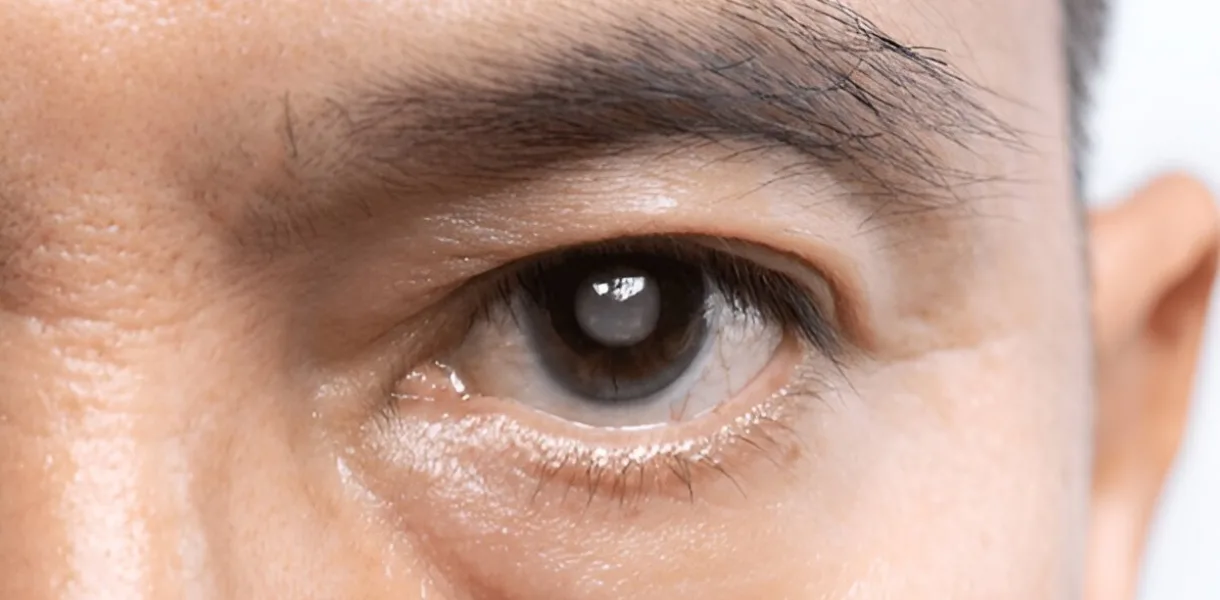
Glaucoma is one of the major eye conditions that can gradually damage vision if it is not detected and managed at the right time. Often called the silent thief of sight, glaucoma can develop without noticeable symptoms during its early stages. Regular eye examinations and timely medical care play an important role in protecting long-term vision.
If you are looking for Glaucoma Treatment in Thrissur, Nethra Eye Care offers access to professional eye care and specialist consultation to help patients understand, diagnose and manage glaucoma. With appropriate eye examinations, accurate diagnosis and an individualised treatment approach, patients can receive guidance based on their eye health needs.Whether you are experiencing vision changes, have a family history of glaucoma or have been advised to undergo an eye pressure examination, consulting an experienced eye specialist is an important step towards maintaining healthy vision.
What Is Glaucoma?
Glaucoma is a group of eye diseases that damage the optic nerve, which carries visual information from the eye to the brain. In many cases, increased intraocular pressure (IOP), also known as eye pressure, is associated with this damage.The condition may develop gradually, affecting peripheral or side vision before noticeable changes occur in central vision. If left untreated, glaucoma can lead to permanent vision loss.One important thing to understand is that glaucoma can also occur in people whose eye pressure falls within the normal range. Therefore, measuring eye pressure alone is not enough to diagnose the condition. A comprehensive eye examination is essential.
What Are the Early Symptoms of Glaucoma?
Glaucoma does not always produce noticeable symptoms during its early stages. This is why regular eye examinations are particularly important for people who have risk factors.
Some possible symptoms, especially as the condition progresses, include:
- Gradual loss of peripheral or side vision
- Difficulty seeing objects on either side
- Blurred or reduced vision
- Seeing halos around lights in certain types of glaucoma
- Frequent changes in vision
Important: Sudden severe eye pain, redness, blurred vision, headache, nausea or vomiting may indicate acute angle-closure glaucoma. This is a medical emergency and requires immediate eye care.
What Causes Glaucoma?
Glaucoma can develop due to several factors affecting the optic nerve and the drainage of fluid inside the eye.
Common risk factors include:
- Increased eye pressure: Poor drainage of fluid from the eye can increase intraocular pressure and contribute to optic nerve damage.
- Family history: Having close family members with glaucoma can increase your risk.
- Age: The risk of developing glaucoma generally increases with age.
- Long-term steroid use: Prolonged use of certain steroid medications can increase eye pressure in some individuals.
- Previous eye injuries: Certain eye injuries can contribute to secondary glaucoma.
- Other health conditions: Some systemic health conditions may be associated with increased glaucoma risk.
Understanding these risk factors and attending regular eye check-ups can help identify glaucoma at an earlier stage.
Different Types of Glaucoma
Glaucoma is classified into different types depending on how the condition develops and affects the eye.
1. Open-Angle Glaucoma
Open-angle glaucoma is a common type that usually develops slowly. The drainage angle remains open, but fluid does not drain efficiently. It often causes no noticeable symptoms during the early stages.
2. Angle-Closure Glaucoma
Angle-closure glaucoma occurs when the drainage angle becomes blocked or narrowed. In some cases, eye pressure increases rapidly, causing severe eye pain, redness, blurred vision and nausea. Acute angle closure requires immediate medical attention.
3. Normal-Tension Glaucoma
In this type, optic nerve damage occurs even though eye pressure is within the usual reference range. Regular optic nerve examinations and visual field testing are important for diagnosis.
4. Secondary Glaucoma
Secondary glaucoma develops due to another eye condition, injury, inflammation or certain medications. Treatment depends on the underlying cause and the extent of optic nerve damage.
5. Congenital Glaucoma
Congenital glaucoma is a less common condition present at birth or developing during early childhood. Early diagnosis and specialist treatment are important for children's visual development.
How Is Glaucoma Diagnosed?
Early and accurate diagnosis is essential for managing glaucoma. A comprehensive examination helps an eye specialist assess eye pressure, optic nerve health and possible changes in the visual field.
Depending on the patient's condition, glaucoma evaluation may include:
- Intraocular Pressure Test: Measures the pressure inside the eye.
- Optic Nerve Examination: Helps identify changes or damage to the optic nerve.
- Visual Field Test: Checks peripheral vision and identifies areas of vision loss.
- OCT Scan: Measures the retinal nerve fibre layer and helps detect structural changes associated with glaucoma.
- Gonioscopy: Examines the drainage angle of the eye.
- Corneal Thickness Measurement: Measures corneal thickness, which helps interpret eye pressure readings.
Not every patient requires every test. The eye specialist determines the appropriate examinations based on individual risk factors and clinical findings.
What Are the Treatment Options for Glaucoma?
The main goal of glaucoma treatment is to reduce eye pressure when necessary and prevent or slow further optic nerve damage. Treatment is selected according to the type of glaucoma, severity of the condition and individual patient requirements.
1. Glaucoma Eye Drops
Prescription eye drops are commonly used to manage glaucoma. Depending on the medication, they may reduce fluid production inside the eye or improve fluid drainage.Patients should use prescribed eye drops regularly and follow their doctor's instructions. Stopping medication without medical advice may affect eye pressure control.
2. Laser Treatment for Glaucoma
Laser procedures may be recommended for certain types of glaucoma. Depending on the diagnosis, laser treatment can help improve fluid drainage or reduce eye pressure.The suitability of laser treatment depends on the patient's eye condition and the type of glaucoma.
3. Glaucoma Surgery
In cases where medications or laser treatment do not provide sufficient pressure control, glaucoma surgery may be considered.Certain surgical procedures create alternative drainage pathways or use specialised drainage devices to help reduce eye pressure.The appropriate treatment is determined by the ophthalmologist after a detailed assessment.
Why Is Early Glaucoma Detection Important?
Glaucoma-related optic nerve damage is generally irreversible. Treatment cannot restore vision that has already been lost, but appropriate medical management can help slow or prevent further damage.
Early detection is important because:
- Glaucoma may develop without noticeable symptoms.
- Treatment can begin before significant vision loss occurs.
- Regular monitoring helps identify disease progression.
- Timely treatment can help preserve remaining vision.
- Consistent follow-up supports long-term eye health.
People with a family history of glaucoma, increased eye pressure or other risk factors should discuss an appropriate eye examination schedule with an ophthalmologist.
Why Choose Nethra Eye Care for Glaucoma Consultation in Thrissur?
Choosing the right eye care provider is an important part of managing glaucoma. Patients benefit from proper evaluation, clear medical guidance and regular monitoring.
At Nethra Eye Care, Thrissur, patients can seek eye care consultation and guidance for glaucoma-related concerns.
Important aspects of glaucoma care include:
- Professional eye examination and diagnosis
- Evaluation of eye pressure and optic nerve health
- Guidance on appropriate glaucoma management
- Individualised treatment recommendations
- Advice on regular follow-up examinations
- Patient education about medication and long-term eye care
If you are searching for an eye hospital in Thrissur for glaucoma treatment, consult an eye specialist to understand your condition and the treatment options suitable for your needs.
Frequently Asked Questions About Glaucoma Treatment in Thrissur
1. Where can I get glaucoma treatment in Thrissur?
Patients looking for glaucoma consultation in Thrissur can contact Nethra Eye Care for information about eye examinations, specialist consultations and available treatment options.
2. Can glaucoma be cured permanently?
Glaucoma is a chronic eye condition, and existing optic nerve damage generally cannot be reversed. However, appropriate treatment and regular monitoring can help control the condition and reduce the risk of further vision loss.
3. What are the first warning signs of glaucoma?
Early glaucoma often has no noticeable symptoms. As the condition progresses, patients may experience peripheral vision loss or blind spots. Regular eye examinations are important for early detection.
4. Is glaucoma treatment possible without surgery?
Yes. Many patients can manage glaucoma with prescription eye drops. Depending on the type and severity, laser treatment or surgery may be recommended if additional pressure control is needed.
5. Who is at higher risk of developing glaucoma?
People with a family history of glaucoma, older adults, individuals with increased eye pressure and those with certain eye injuries or long-term steroid use may have a higher risk.
6. Does high eye pressure always mean glaucoma?
No. High eye pressure does not automatically mean a person has glaucoma. Similarly, glaucoma can develop even when eye pressure is within the normal range. A comprehensive examination is necessary.
7. How often should I get my eyes checked for glaucoma?
The recommended frequency depends on age, family history, eye pressure, optic nerve health and other risk factors. Your ophthalmologist can recommend an appropriate examination schedule.
8. Can glaucoma cause permanent blindness?
Advanced glaucoma can cause permanent vision loss. Early diagnosis, appropriate treatment and regular follow-up can help reduce the risk of severe vision impairment.
Conclusion
Glaucoma requires timely diagnosis, appropriate treatment and consistent monitoring to protect long-term vision. Since the condition can develop without early warning signs, routine eye examinations are important, particularly for individuals with known risk factors.
If you are looking for Glaucoma Treatment in Thrissur, consult Nethra Eye Care for professional eye care guidance, glaucoma evaluation and information about suitable treatment options.