
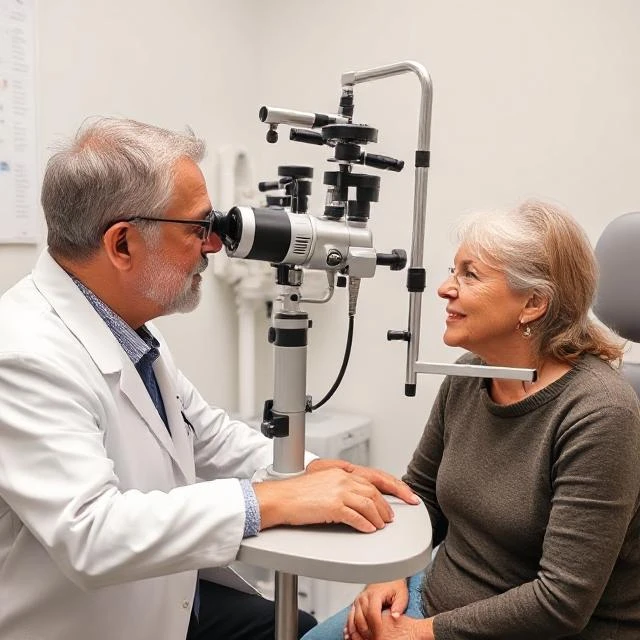
Glaucoma is a leading cause of blindness worldwide, and in Oak Lawn, Illinois, awareness and early detection of this eye condition are crucial in preserving vision. Glaucoma is a serious eye condition that gradually harms the optic nerve. It often develops silently, with symptoms progressing slowly over time. That’s why it's essential to seek care from an eye specialist in Oak Lawn, IL, who can help detect the condition early and offer treatments to prevent or slow its progression.
In this article, we’ll discuss how to care for your eyes, the importance of early detection, and the range of treatment options available for managing glaucoma in Oak Lawn through a trusted Oak Lawn eye clinic.
What Is Glaucoma?
Glaucoma is an eye condition that harms the optic nerve, which transfers graphic information from the eye to the brain. The most common form, primary open-angle glaucoma, develops slowly and painlessly, making it difficult to notice any symptoms until significant damage has occurred.
Elevated intraocular pressure (IOP), often caused by an imbalance in the production and drainage of eye fluid (aqueous humor), is the primary risk factor for glaucoma. Nevertheless, other reasons, such as genetics, age, and medical history, can raise the risk of developing this condition.
Why Early Detection is Vital

Early recognition is crucial in governing glaucoma, as it allows for timely intervention before irreversible injury to the optic nerve occurs. Since glaucoma typically develops without noticeable symptoms in its early stages, regular eye exams by an experienced eye specialist in Oak Lawn, IL, are crucial for identifying any issues before they become severe.
During a comprehensive eye exam, your eye specialist will monitor intraocular pressure, assess the optic nerve for any signs of damage, and test your visual field. Identifying glaucoma early and establishing a cure can reduce the risk of permanent vision loss.
Early Signs to Watch For:
- Loss of peripheral vision (side vision)
- Difficulty adjusting to dark rooms
- Seeing halos around lights
- Unexpected eye pain or headaches
Who is at Risk for Glaucoma?
Due to various risk factors, specific individuals are more likely to develop glaucoma. Knowing your risk allows you to seek proper treatment early.
Risk Factors for Glaucoma:
- Age: Anyone over 60 is at extreme risk.
- Family History: If glaucoma is present in your family, you may be more at risk
- Health Conditions: Underlying health issues like diabetes, hypertension, and cardiovascular disease can increase the risk of developing glaucoma.
Treatment Options for Glaucoma in Oak Lawn
The treatment of glaucoma depends on its type, severity, and the patient’s overall health. Many options are available to cure glaucoma effectively.
1. Medications
For most people, the first line of treatment is medications in the form of prescription eye drops. These drops help reduce eye pressure by lowering fluid production or improving drainage.
- Prostaglandin Analogs: They increase the outflow, lowering intraocular pressure.
- Beta-blockers: Decrease fluid buildup in the eye
- Alpha Agonists: These can both lower fluid production and strengthen drainage.
When using these medications, following your eye specialist’s instructions and attending regular follow-ups to assess their effectiveness is essential.
2. Laser Surgery
In certain circumstances, laser therapy may improve drainage and decrease intraocular pressure. There are various forms of laser surgeries offered:
- Laser Trabeculoplasty: It improves fluid drainage to lower pressure.
- Laser Iridotomy: Used for angle-closure glaucoma, a small hole is made in the peripheral iris to restore fluid flow.
Laser surgery is often recommended for patients who either don’t respond well to medication or prefer not to rely on lifelong eye drops, highlighting the power of laser Glaucoma surgery as a lasting treatment option.
3. Surgical Treatment
In cases where medications and laser surgery do not provide enough relief, surgery may be necessary. Surgery is designed to create an alternative drainage route for eye fluid, helping to relieve intraocular pressure.
- Trabeculectomy: Most common treatment for glaucoma. It makes a minor opening in the eye to let fluid drain out.
- Glaucoma Drainage Implants: These devices are implanted to help drain excess fluid and reduce intraocular pressure.
These surgeries can significantly reduce eye pressure, though regular monitoring and follow-ups with your Oak Lawn, IL, eye specialist are essential after the procedure.
Regular Eye Exams in Glaucoma Management
Even if you don’t experience symptoms, regular eye exams are essential, particularly if you have risk factors for glaucoma. During your visit to an eye care provider in Oak Lawn, the specialist will conduct a series of tests to assess the health of your eyes, including:
- Tonometry: To measure intraocular pressure.
- Ophthalmoscopy: To inspect for optic nerve damage.
- Visual Field Test: To measure for each failure of peripheral vision.
- Gonioscopy: To observe the eye angle where the fluid sinks.
By catching the condition early and following your optometrist’s advice, glaucoma can be managed effectively, preserving your vision for the long term.
Conclusion
Glaucoma is a dangerous illness that requires proactive care. Early recognition through daily eye exams and prompt care can help control the requirement and avoid critical vision loss. If you are at risk or have any concerns about glaucoma, it’s essential to consult with a trusted eye specialist in Oak Lawn, IL, for a comprehensive evaluation. You can safeguard your vision and maintain your eyes for many years with proper supervision and treatment.